Which decorative street-light types should you compare?
Start with three mounting arrangements: post-top lights sit above a vertical support, pendant lights hang below an arm or another designed support, and side-mounted lights connect from the side. Traditional lanterns and modern cylindrical or disc-shaped lights can use different arrangements. Their appearance does not tell you how the light falls on the street.
On this page
A decorative street light has two jobs: it contributes to the character of the place and provides usable illumination. Choosing a lantern silhouette is easy; choosing one that also works beside shops, homes, trees and moving pedestrians takes a more complete comparison. This guide explains the main forms in plain language, then shows how to narrow them down for a real site.
Here, “decorative street light” means an outdoor luminaire and its supporting arrangement for streets, walkways and public spaces. Festive strings, small garden ornaments and interior pendant lamps are different products. For the main road-lighting families, see the street-light types guide.

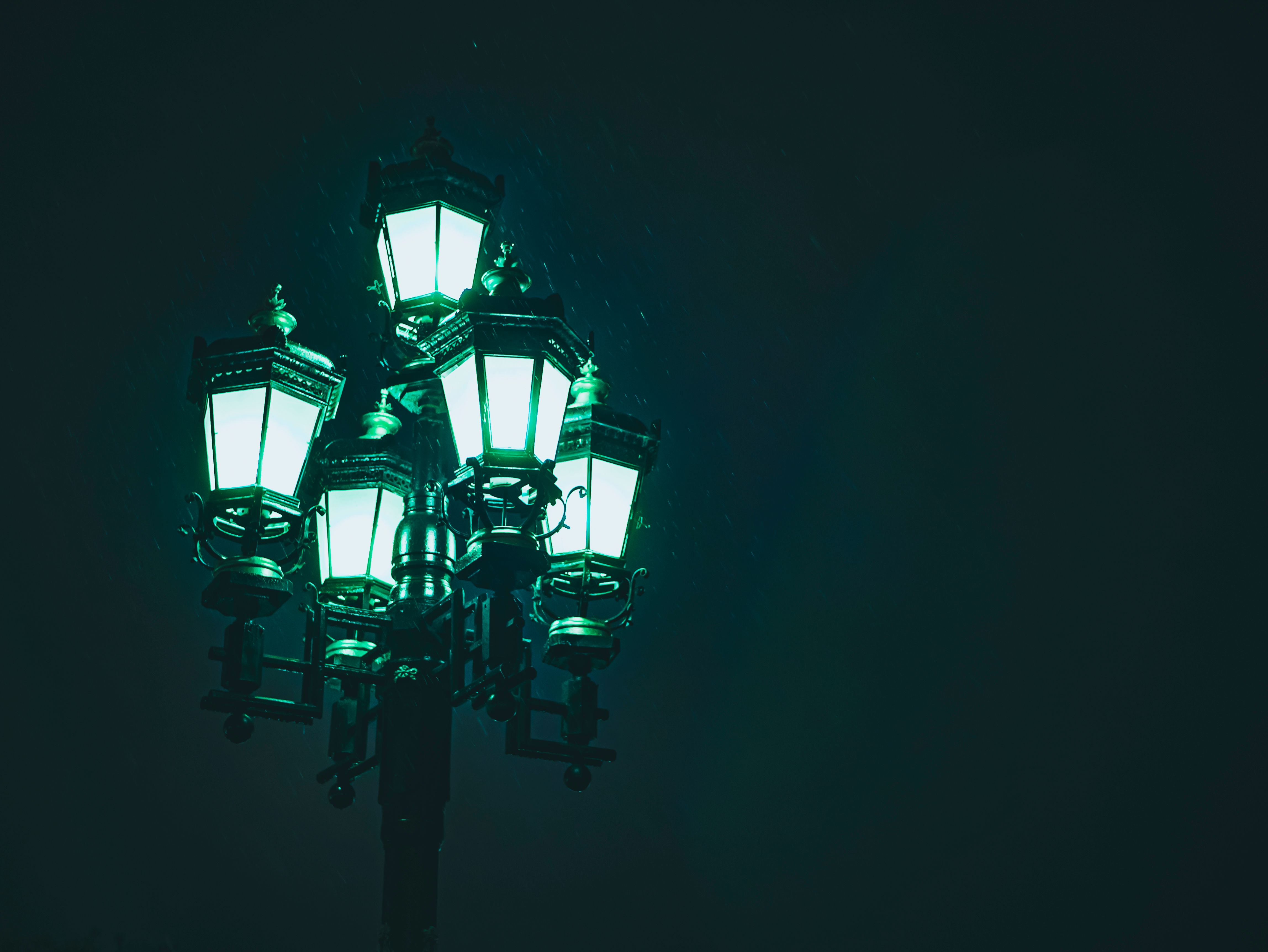
Traditional lantern-style street lighting — an application example.
A post-top luminaire is supported from below, normally at the top of a pole or a short vertical connection. A traditional version may have a framed lantern body and roof; a modern version may use a clean disc, cylinder or enclosed light engine. The defining feature is the vertical support, rather than a particular roof shape or material.
This arrangement can create a clear rhythm along a path, around a square or through a residential streetscape. The light is close to the pole centreline, which gives the complete assembly a different proportion from a long outreach arm. On a wider road, that position may also leave more distance between the light source and the surface that needs illumination. Check the layout rather than assuming a decorative head can replace any existing road light.
Some post-top lights spread light around the pole; others use asymmetric optics to favour a path or carriageway. A round body is therefore not proof of a circular light pattern. Signify’s TownView sheet is one concrete example of a decorative family offering post-top/arm mounting choices and several distributions. Those are separate selections within that family. [1]
Consider it where the pole position, landscape and pedestrian scale are central to the design: promenades, campus paths, small public squares and coordinated residential developments. Ask how the proposed optic handles edges, neighbouring windows and the spaces between poles. A visually prominent lantern can look bright while sending too little useful light onto the intended route.
A pendant street luminaire hangs from a connection above its body. The support may be a curved arm, an ornamental bracket or a specifically designed overhead suspension. This changes the position of the light relative to the pole and can create a distinctive profile along a historic street or a shopping frontage.
For identification, look at the load path: the fitting is held from above rather than seated on a vertical spigot beneath it. Do not assume every lamp with an old-fashioned roof is a pendant. Similar lantern bodies are sometimes offered with different fixing arrangements, and the order needs the intended version.
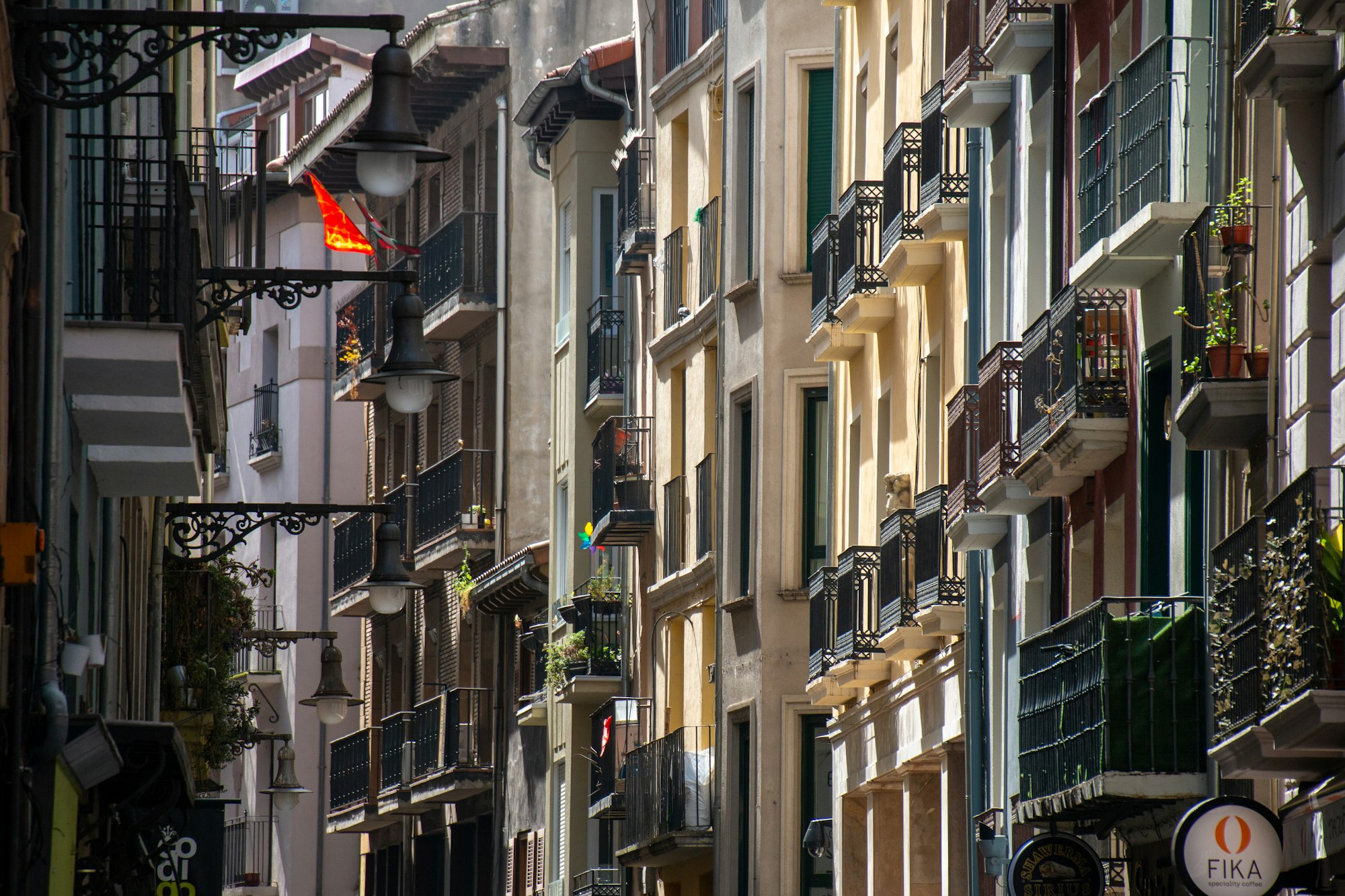
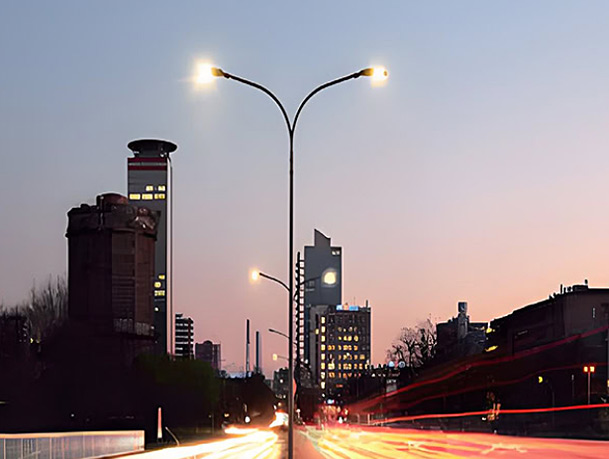
Decorative street lighting in a narrow urban street — an application example.
A pendant can move the light over a route while its pole remains behind the kerb. On a narrow frontage, a building bracket may offer a similar light position without another pole in the pavement. Compare where the lamp sits, how the bracket joins the support and how someone will reach it around signs or trees.
Holophane’s heritage brochure shows pendant fittings with specified decorative brackets and defined optical options. The practical lesson is that the visual style, support and optic form one coordinated arrangement. A photograph of a historic fitting is not a connection drawing for a new pole. [2]
A decorative fitting can also be supported from a suitable building bracket. This may preserve pavement space, but it introduces the building owner, structural fixing and cable route into the project. Do not select it as an interchangeable substitute for a pole-mounted assembly without reviewing those interfaces. The desired appearance may be similar while the installation responsibility changes considerably.
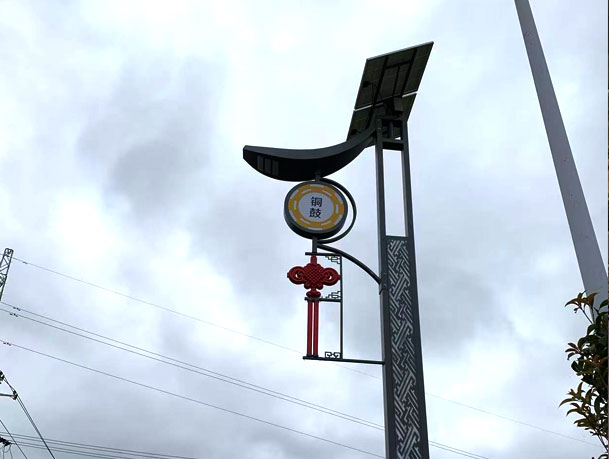
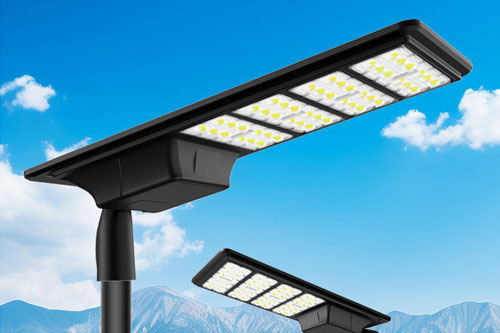
A side-mounted fitting connects to a horizontal or inclined arm, or to a purpose-designed connection on the side of the pole. Modern designs often keep the lamp and arm close together in a compact form; other arrangements use a more visible outreach. One or several lights can be attached to the same pole, provided the selected configuration is designed for them.
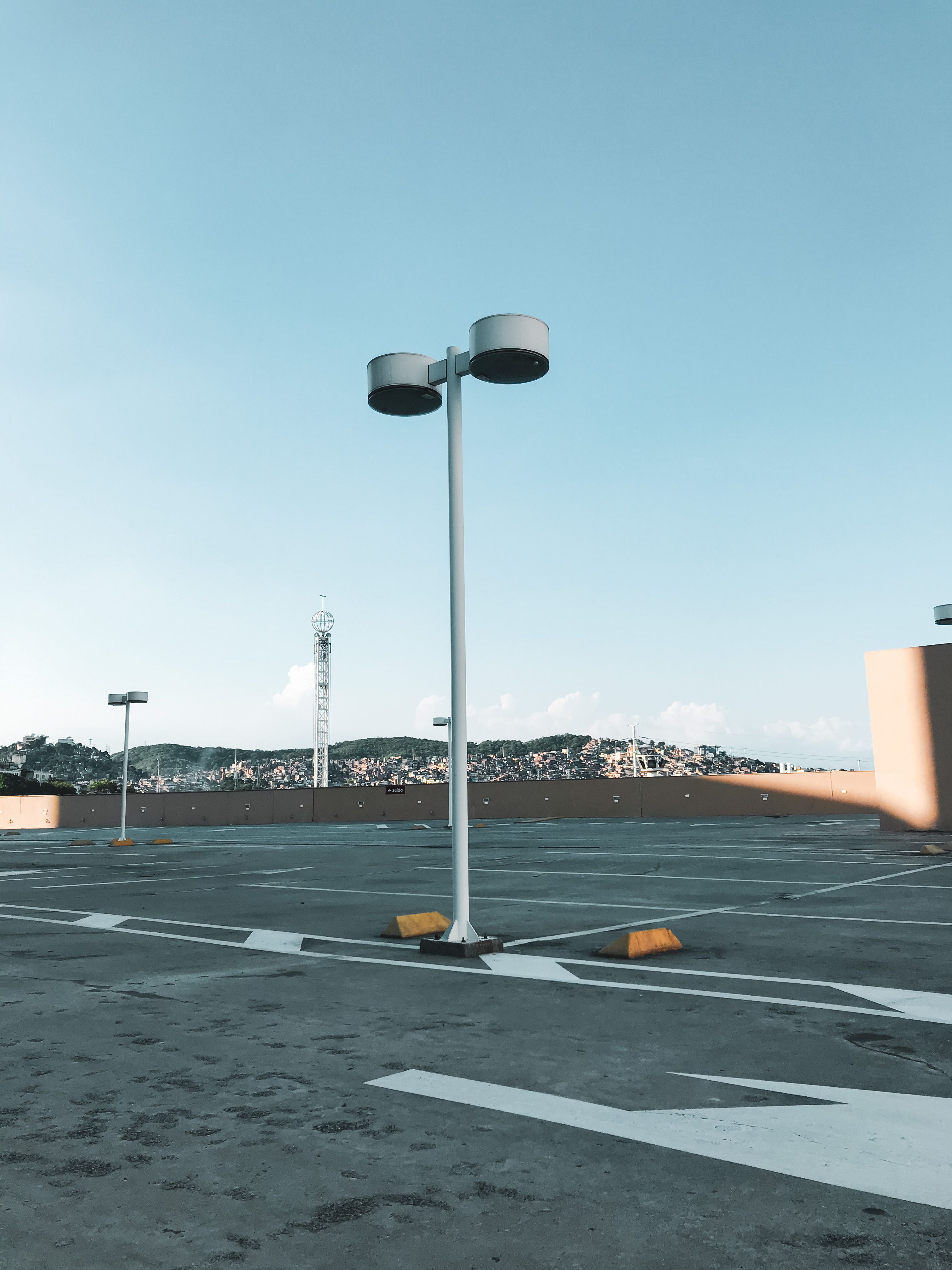
Modern cylindrical luminaires with short side arms — a mounting example.
This arrangement deserves attention when the light position needs to move away from the shaft, or when the same design language must serve both a pedestrian area and an adjoining access road. The arm can help place the optic, but more outreach also changes equipment position and the structural demand. Select the complete pole-and-light assembly instead of treating the decorative head as a weightless accessory.
For readers moving from an appearance concept to a drawing, the arm and luminaire interface guide covers the dimensions to exchange. The most useful first check is simple: does the offered light have the fixing direction and attachment detail shown in the approved streetscape design?
Decisions inside a decorative-light selection · Swipe the table horizontally on a small screen.
| Decision | Examples | What it changes |
|---|---|---|
| Mounting arrangement | Post-top, pendant, side mount. | The fixing, support geometry and position of the light source. |
| Visible design | Framed lantern, cylindrical body, disc or contemporary enclosed form. | The daytime appearance and visual relationship with the pole and surroundings. |
| Optical distribution | A distribution chosen for a path, road, edge or open area. | Where useful light falls, and how the layout handles boundaries and glare. |
| Operating arrangement | Grid or a designed solar system; specified switching and dimming. | The supply and operating schedule, which must suit the lighting task. |
These choices can be combined. A traditional-looking post-top lantern can use an LED engine; a contemporary cylinder can be side-mounted; a pendant can have an optic intended for a long, narrow route. Calling all three “lantern lights” may be convenient in an early mood board, but it is not detailed enough to compare offers.
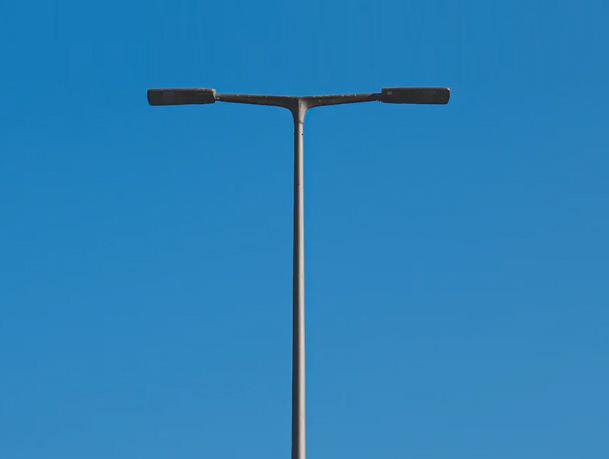
Similarly, single-head and double-head describe the number and arrangement of luminaires. They do not identify a different optical technology. A two-head assembly may help serve two directions, or may simply be a visual feature. It should earn its place in the lighting calculation and the overall streetscape, rather than being assumed to double useful coverage.
Choose the mounting form around the place · Swipe the table horizontally on a small screen.
| Place | A useful starting point | Why consider it | What can change the choice |
|---|---|---|---|
| A narrow historic frontage | A pendant on a coordinated pole arm or building bracket. | The fitting can sit over the route while the support stays beside it. | Building consent, fixing, cable route and maintenance access. |
| A park path or promenade | A post-top family at the intended pedestrian scale. | The head and pole form a compact repeated element along the route. | Optical distribution, trees, seating and nearby windows. |
| An access road beside a public space | A side-mounted fitting with an appropriate outreach. | The source can move toward the surface that needs light. | Road width, arm loads and the calculated result at the chosen height. |
Begin with the elements the scheme needs to preserve: roof line, lantern proportions, arm silhouette, pole finish and relationship to the surrounding façades. Then check how a modern optical and electrical system can fit that form. A convincing daytime match that creates excessive brightness at nearby windows is an incomplete result.
Replacing the light engine inside a valued existing housing is also a different scope from supplying a new lantern. If retention is necessary, compare a documented conversion with a complete new luminaire. The LED retrofit guide explains how to define the retained and replaced parts.
Look at the route as people use it: bends, crossings, seating, planting and connections to adjoining spaces. A consistent family of luminaires can help the setting read as one place, but every location does not need identical output. Trees and changing vegetation can also obstruct both the light and maintenance access.
The pole and luminaire should be judged together at the intended height. An oversized head on a short pole can dominate a path; a very small head high above a broad space may lose the visual effect that motivated its selection. These are design judgments to review with a layout and sample views, rather than universal height-to-head ratios.
The road and the pavement may have different lighting tasks. Use the relevant project criteria to decide how much light is needed and where. Review the offered decorative optic at the actual pole positions, keeping nearby bedroom windows and entrances visible in the plan. A warm-looking lamp or a dark finish does not by itself establish acceptable spill or glare.
Start with the light. Request the exact optic, output and photometric file for the offered configuration. A decorative catalogue image can show the housing but cannot demonstrate the result on your road. Compare candidates using the same layout and maintenance assumptions.
Then review the assembly. Put the luminaire dimensions beside the pole height and arm drawing. Check how the fitting opens, whether its driver or LED module is serviceable, and where maintenance personnel can position access equipment. A neat closed housing can still be awkward to maintain over a planted verge or a busy walkway.
Finally review the finish and supply scope. Pole finish, luminaire finish and connection hardware should form a coordinated specification. State which parts are supplied together and which are provided by the installer. A light sold as a decorative head does not automatically include a pole, arm, foundation, control node or electrical installation.
A useful sample review
Look at the proposed fitting in daylight and at the intended operating setting. Review the visible finish, proportions, optical orientation and maintenance opening. Use the sample to resolve a specific choice; do not treat a pleasing photograph as evidence of the final street-lighting performance.
Yes, if the selected luminaire and layout satisfy that road’s lighting requirements. The decorative appearance neither guarantees nor prevents suitability. The offered optic, mounting geometry and operating state are the deciding inputs.
No. Post-top describes the fixing arrangement. A model may be intended for pedestrian areas, residential streets or other specified applications, depending on its optics and configuration. Read the actual product information rather than assigning an application from the fixing alone.
Solar identifies the supply system. It can be combined with a suitable post-top or other luminaire arrangement. The panel, battery and operating schedule must then be designed as a system; a similar-looking grid and solar head should not be assumed to provide the same overnight duty.
Bring together a streetscape reference, layout, required mounting arrangement, lighting brief and finish preference. Jieyao Lighting’s decorative steel pole page covers the supporting pole scope, while the outdoor garden and path-light page provides a starting point for suitable luminaire discussions. The actual fitting and optical selection should be identified in the proposal.
If you already have a preferred silhouette, send it with the site information through the contact page. The useful next step is a coordinated light, arm and pole arrangement that preserves the intended character while meeting the actual lighting task.
[1] Signify, TownView post-top and arm-mount specification
Document dated 03/22. A product-family example showing mounting and optical distributions as separate selections; not a Jieyao specification.
https://www.signify.com/api/assets/v1/file/Signify/content/bf632289fca44663aa0eaa3e00d62c78/TownView-TVPC-TVPR-Post-top-and-arm-mount---Spec-Sheet.pdf
[2] Holophane, Ashbourne / Woburn / Sherington heritage brochure
Referenced for pendant/post-top heritage forms and the relationship between support and optical selection. Use the supplier’s current project document when selecting one of its products.
https://holophane.co.uk/ProductData/Downloads/asn/Downloads/asn_Product_Brochure.pdf
Contact Us
Get a custom lighting solution and quotation for your project. Yangzhou Jieyao Lighting Equipment Co., Ltd. manufactures outdoor lighting and steel poles in Guoji Town Industrial Park, Gaoyou City, Yangzhou, Jiangsu, China. The company reports a 10,000 m² factory site, more than 60 employees including more than 10 technical personnel, and more than 100 production and testing machines. The present company name dates from 2017; Jieyao Poles’ published history traces the team’s manufacturing lineage to 2006. The stated 15 years of experience refers to the team. The company reports exports to more than 60 countries. Do you have any questions or requests?
Email: jay@jieyaolighting.com

Click to Chat.
Im online now.
 English
 Español
 Bahasa Indonesia