

 English
 Español
 Bahasa Indonesia
 Français

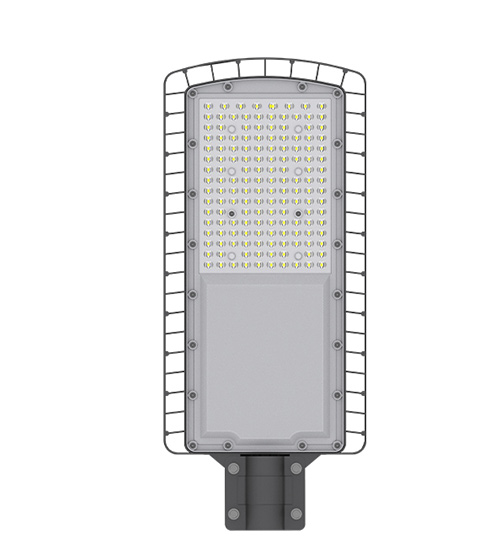
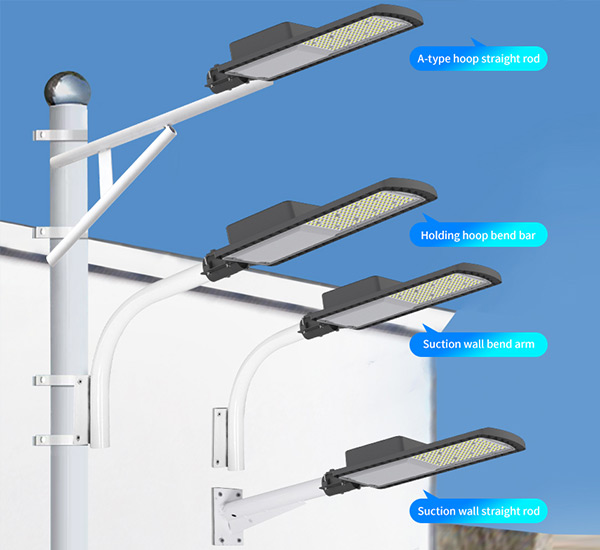
- Product details
-
Road Lighting Systems for Highway and Urban Projects
Coordinate the luminaires, poles, mounting interfaces, electrical supply and controls around one road layout. Send your drawings and lighting specification so the quotation can identify the proposed equipment, the documents available for that configuration and the work included in the supply.
Define the power architecture first. A grid-connected road-lighting package and an off-grid solar package use different electrical components and design inputs. The WG luminaire references on this page belong to the mains-lighting discussion; they are not evidence of solar battery capacity or off-grid operating time.
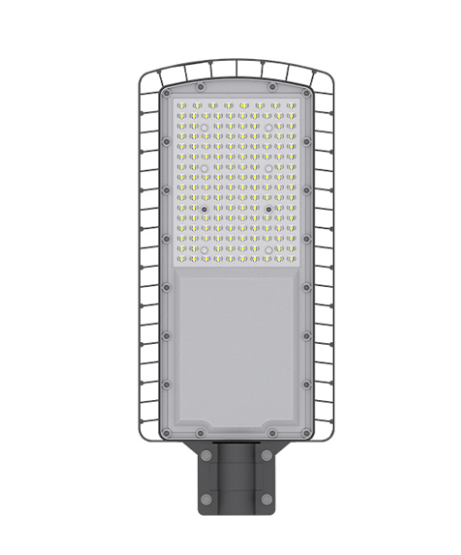
Luminaire illustration for configuration discussion. Appearance does not establish input power, enclosure rating, optical distribution or an approved project installation.
Choose the supply architecture before selecting equipment
A system enquiry should state whether grid power is available, where the supply points are located, and which equipment the contractor expects in the offer. Confirm the project jurisdiction and governing specification before calculating a layout or proposing a replacement.
Swipe horizontally on a small screen to view every column.
Configuration Equipment and interfaces to define Project information needed Grid-connected road lighting Luminaire and AC driver; pole and arm interfaces; cable routes, protective devices, earthing and switching or dimming arrangement. Supply voltage and frequency, feeder locations, road layout, operating schedule and electrical requirements. Off-grid solar road lighting A separately configured panel, battery, charge controller and compatible luminaire, with panel and equipment brackets. Site location, shading, daily lighting profile, seasonal solar design inputs, storage requirement and maintenance access. Existing-pole LED retrofit Compatible luminaire and mounting connection; assessment of existing poles, wiring and controls. Existing equipment details, pole condition and dimensions, electrical survey and target lighting criteria. An AC luminaire voltage range does not define a solar DC system. Do not size a panel or battery from a catalogue lamp wattage alone. A solar offer needs its own energy balance, component schedule and structural review for the additional equipment.
Agree the package and installation responsibilities
Use an itemised quotation to separate supplied products, design support, site works and acceptance. A product package should not be treated as an automatically included turnkey installation. Confirm the responsible party for each interface before order approval.
Swipe horizontally on a small screen to view every column.
Package item Configuration to agree Responsibility or acceptance boundary Luminaires and optics Exact model revision, rated input, CCT, optic, driver, cable entry and control interface. Identify the luminaire schedule and the matching drawing, photometric file and applicable test documents. Poles, arms and brackets Height, outreach, mounting diameter, equipment positions, material and finish specification. Confirm structural design inputs, connection drawings and supplied hardware; a lamp photograph is not a pole load calculation. Foundations and anchor assemblies Base-plate interface, anchor arrangement and installation tolerances. Agree who designs and approves foundations using actual site, ground and loading information; distinguish anchor supply from civil works. Power distribution and protection Feeders, cables, earthing, isolation, switching and surge protection coordination. Name the electrical designer and installer. State which cabinets, cables and protective devices are included. Controls and communications Required switching, dimming, monitoring, protocol, network and software access. List supplied controllers, gateways and licences separately; identify network provision and commissioning duties. Installation and handover Assembly, lifting, aiming, electrical testing, commissioning and maintenance access. Record installation scope, approval responsibilities, acceptance criteria, spare parts and handover documents in the order. 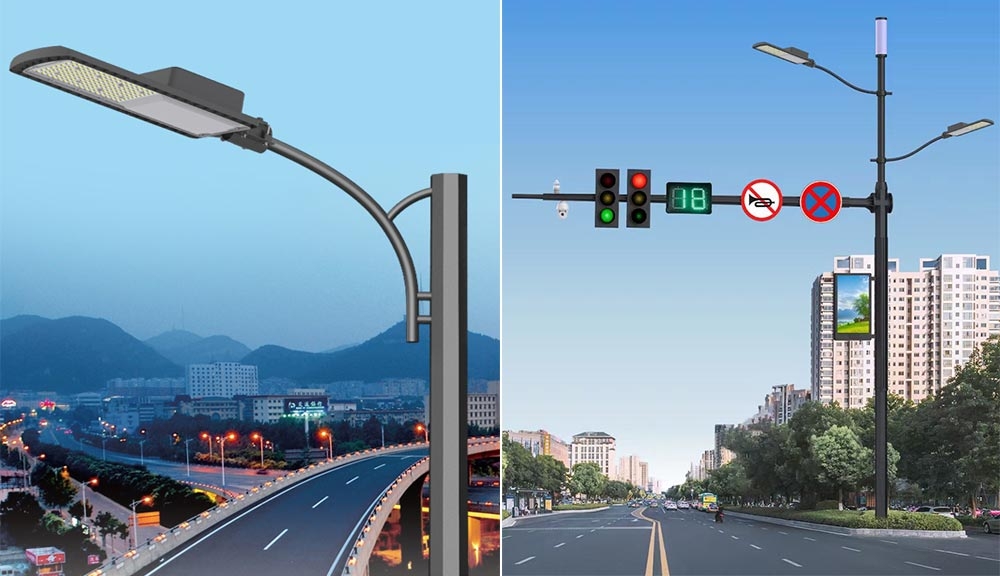
Road-use illustrations show different mounting and application contexts. They do not identify a named completed Jieyao project or establish the scope of a proposed supply.
WG Luminaire References for a Mains-Lighting Quotation
WG-100, WG-150 and WG-200 are the existing catalogue references used on this page. Use them to identify a configuration enquiry. Confirm the current model revision and the offered driver, optics, mounting connection and documentation before using any value in a tender or purchase order.
Swipe horizontally on a small screen to view every column.
Existing reference Nominal power label Configuration review WG-100 100 W Confirm current drawing, rated electrical input, optic, driver, supply range and enclosure documentation. WG-150 150 W Confirm current drawing, rated electrical input, optic, driver, supply range and enclosure documentation. WG-200 200 W Confirm current drawing, rated electrical input, optic, driver, supply range and enclosure documentation. These catalogue labels are not measured input-power results. Delivered lumens and efficacy must come from documentation for the exact offered configuration. The quotation should state dimensions, net and packed weight, packing size and mounting interface for the supplied revision.
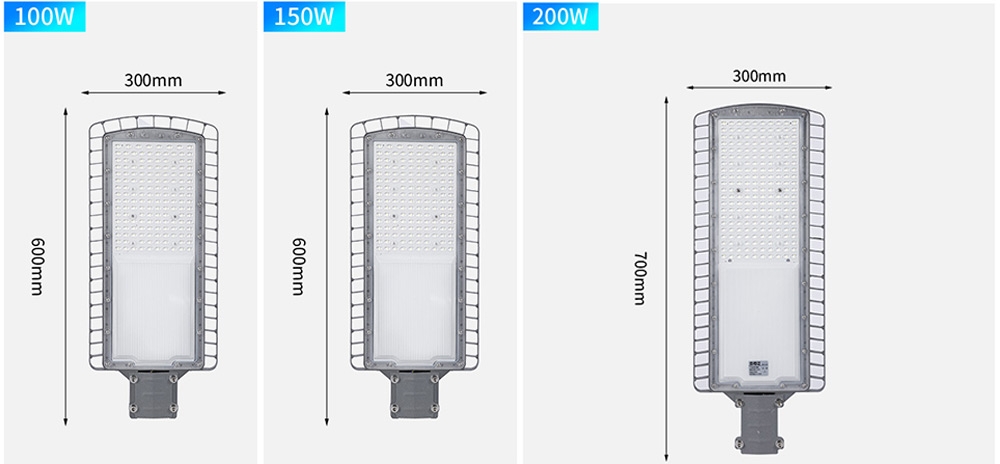
Existing outline illustration: the 100 W and 150 W variants are labelled 600 × 300 mm; the 200 W variant is labelled 700 × 300 mm. These are reference outlines, not a complete installation drawing. Confirm the selected WG revision, thickness, mounting diameter, cable entry, tolerances and units on its approved drawing.
Check the mounting connection and service access
The luminaire, arm and pole need compatible interfaces. Confirm spigot diameter, bracket insertion depth, permitted tilt, fasteners, cable entry and access to the driver compartment on the selected drawing. Pole and foundation design must account for the installed equipment and the project loading conditions.
Before replacing an existing fitting, check the support condition and the complete luminaire weight and wind-exposed area. Ground-level photographs do not establish structural suitability. Agree how the installer will isolate the supply, access the equipment and replace service parts.
Review the photometric layout against the road
Power and lumens alone do not determine road visibility. The calculation must use the offered optic and mounting orientation with road width, lanes, pedestrian areas, setbacks, outreach, height and spacing. Apply the project’s required lighting class or acceptance criteria, including uniformity, glare and spill where applicable.
For bridges, underpasses and tunnel approaches, identify the applicable specialist criteria and exposure conditions. Do not transfer an open-road layout to a tunnel, or infer vibration, corrosion or wind performance from an enclosure rating. Any energy comparison should use the same lighting target and a documented baseline, operating hours and control schedule.
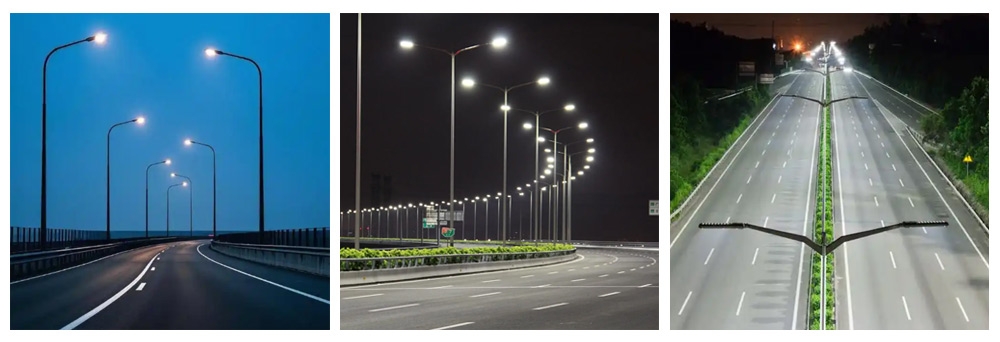
Application scenes help discuss road geometry and maintenance access. They are not photometric calculations or evidence that one fixture arrangement suits every road.
Specify the documents and inspection records
Tie each requested document to the equipment on the quotation. Product inspection, independent laboratory testing and site acceptance answer different questions. A certificate or report for another luminaire series does not establish the performance of a WG configuration.
Swipe horizontally on a small screen to view every column.
Review stage Documents or checks to agree What the record must identify Configuration approval Luminaire and pole drawings, component schedule, mounting interface and bill of materials. Model and revision, materials and finish, LED/driver/control configuration and approved supply scope. Lighting design IES or LDT file and project calculation with stated assumptions. The offered optic and operating configuration, mounting geometry, calculation criteria and maintenance assumptions. Electrical and enclosure review Applicable safety, ingress, impact, surge, thermal or corrosion evidence requested by the specification. Actual tested model and configuration, test method, result, issuing body and scope; not a general series claim. Production release Agreed inspection plan covering dimensions, finish, assembly, identification, wiring and functional checks as applicable. Order or batch traceability, acceptance criteria, measured results and responsibility for release. Packing and handover Packing schedule, supplied hardware, instructions, spare parts and written warranty. Shipment contents, labels, handling requirements, claim process and the agreed labour/freight responsibilities. Documents supplied with an offer should be listed explicitly. Request the exact reports, drawings and inspection records needed by your project. Their availability and applicability must be checked for the proposed configuration before they are included as tender evidence.
Send a Road-Lighting RFQ
Include a plan and cross-section, installation location, required lighting criteria, supply architecture and schedule of quantities. Mark the items you want supplied and the items provided by your local contractor. If some inputs are provisional, label them so the quotation can show the corresponding assumptions and exclusions.
- Road geometry, lanes, pedestrian areas, proposed pole positions and mounting height.
- Project specification, required calculations and document or inspection requirements.
- Power supply, operating hours, control functions and communications infrastructure.
- Environmental exposure, structural design inputs and access restrictions.
- Quantity, destination, packing requirements, spare parts and installation scope.
Request an itemised road-lighting quotation. Email jay@jieyaolighting.com or send your layout and supply schedule through the enquiry form.
Discuss Your Road Lighting PackageRoad Lighting System FAQ
Use the questions below to clarify the scope of an offer before comparing prices.
Does a road-lighting system include the poles and foundations?
Only when the quotation lists them. Confirm luminaires, poles, arms, anchor assemblies, foundations, power distribution and installation separately, with named design and approval responsibilities.
Can the WG references be used as a solar-lighting specification?
No solar storage or autonomy follows from these mains-luminaire references. An off-grid system needs a compatible luminaire, controller, battery and panel configuration designed around the site and operating profile.
How do I compare two road-lighting offers?
Compare the same road layout and lighting target, then check model revision, optics, driver, support interfaces, control scope, documents, installation obligations, spare parts and written warranty. Lowest lamp wattage alone is not a complete comparison.
Is a fixed wattage replacement suitable for an existing HPS lamp?
Determine the replacement through a calculation for the actual layout and the offered optic. Check the existing pole, wiring and connection before ordering. There is no universal wattage ratio or saving percentage for every project.
Does IP66 establish coastal, vibration or lightning performance?
An ingress rating addresses its specified enclosure test. Corrosion, vibration, temperature and surge requirements need their own configuration-specific assessment and supporting evidence. Confirm the exact luminaire, driver and SPD arrangement.
What should be agreed before installation?
Approve the mounting drawings and scope, identify the responsible electrical and civil parties, and define isolation, lifting, aiming, commissioning and acceptance. Local requirements and project engineering decisions govern the installation.
What warranty and service support is included?
The written offer must state duration, covered components, exclusions, claim evidence, replacement scope and labour and freight responsibilities. A generic product description does not establish one warranty for every system component.
-
-