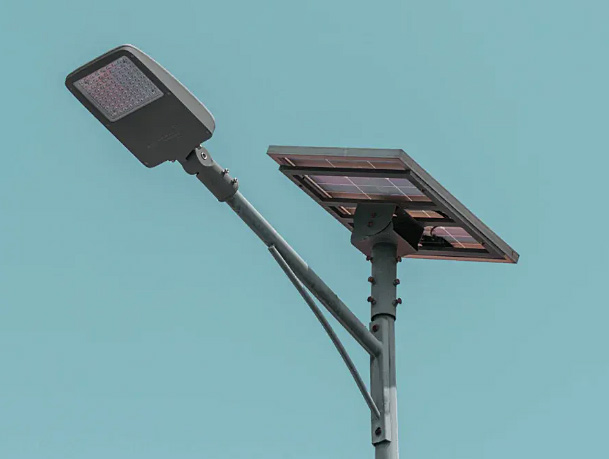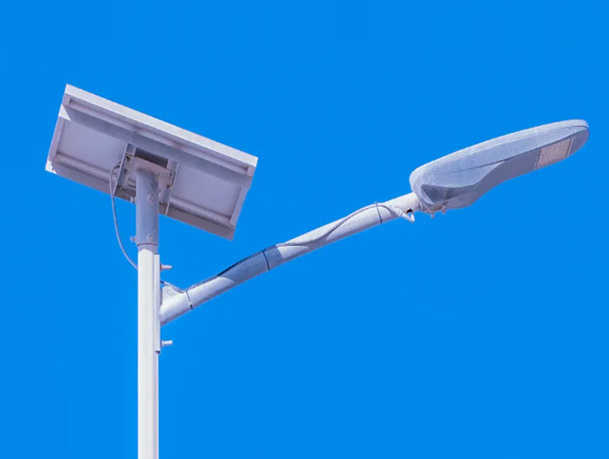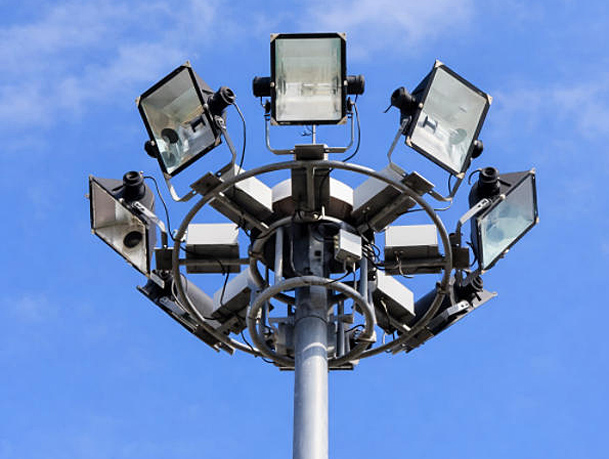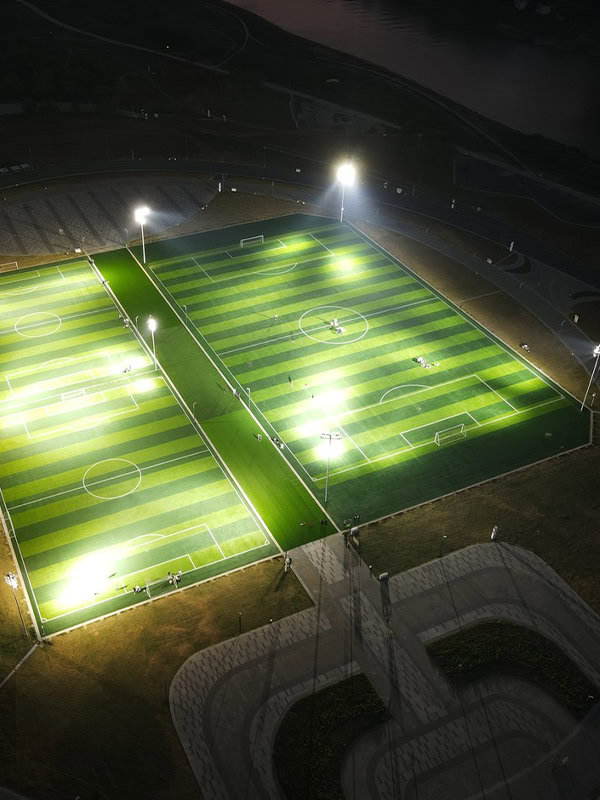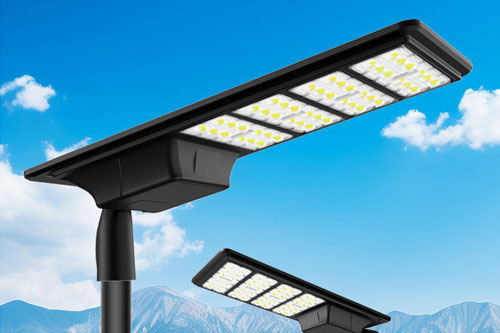
Review a coastal solar promenade as a sequence of lighting zones and exposure conditions. Specify where people walk, where equipment sits, how the system recharges and how it will be serviced. A waterproof label or a bright night image cannot establish the performance of the complete route.
Coastal pedestrian routes can combine open waterfronts, access steps, planted areas, food stalls, roads and neighbouring buildings. Treat these as different tasks within one coordinated project. The purchasing brief should connect the actual site layout and exposure to lighting, solar equipment, supports, civil works and operating responsibilities.
| Route condition | Site information to record | Decision to coordinate |
| Open walking route | Width, edges, changes in level, viewing directions and neighbouring receptors. | Optics, mounting, continuity and the owner’s lighting criteria. |
| Steps, entrances and road interfaces | Pedestrian movements, crossings, obstacles and permitted operating modes. | Local visibility and transitions between independently controlled zones. |
| Trees, stalls and structures | Shade by season/time, equipment positions and maintenance clearance. | PV orientation, shading assessment and access to the actual unit. |
| Salt, splash or possible inundation | Exposure description, civil levels, drainage and site hazard/design inputs. | Equipment location, protective systems, support/foundation design and service access. |
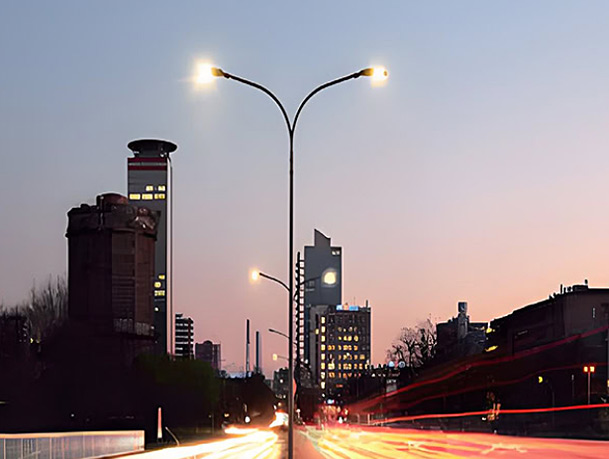
A claim of continuous route coverage needs a defined route and lighting assessment. Record pole coordinates, mounting and aiming, photometric files, relevant maintained-lighting assumptions and the agreed assessment method. Include the transitions between the promenade, entrances and vehicle areas. A count of installed poles or a general statement about coastline length does not establish that result.
Intertek’s IP-testing explanation concerns enclosure protection against solids and water under defined tests. Specify the required evidence for the complete installed enclosure and its entries. An IP code alone does not establish resistance to salt-related corrosion, wind loading or all possible coastal flooding conditions.
For steel supports, describe the environment and the complete protective system: steelwork details, galvanizing, compatible organic finish where specified, openings, fasteners, preparation, inspection and repairs. The Galvanizers Association of Australia explains that coating maintenance expectations depend on environment and coating condition, with salt-water contact requiring separate consideration. Do not convert a coating label or a salt-spray test duration into a universal service life.
The civil and electrical designers should coordinate finished levels, anticipated water conditions, foundation/anchor interfaces, cable entries and access with the selected equipment. No universal foundation size or mounting elevation follows from the phrase coastal solar light. Resolve location and maintenance constraints before manufacture rather than leaving the installer to adapt the pole on site.
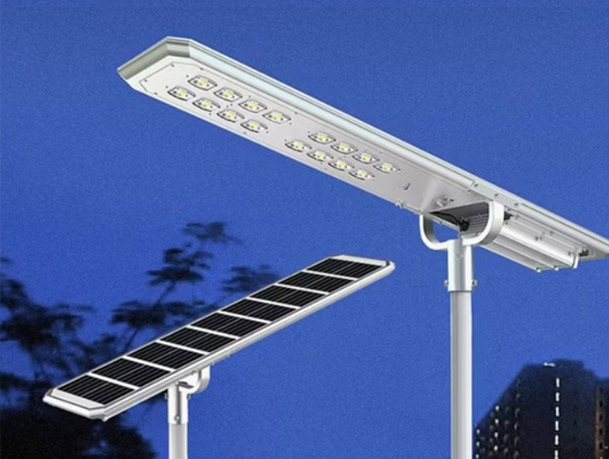
Record the required lighting hours, permitted dimming and any separate sign or decorative loads. Identify the actual luminaire input, usable battery-energy conditions, protection settings, panel configuration and losses. Evaluate the local solar dataset, shading and selected orientation for the design period; a sunny promotional photograph is not a recharge calculation.
JRC’s PVGIS off-grid tool separates PV rating, battery energy, discharge cutoff and daily consumption, and reports energy shortfall as well as battery states. Use a documented energy-design method with the actual project inputs. This guide supplies no local weather simulation, autonomy promise or fixed cleaning interval.
For the storage-and-recovery review, use the solar backup-claim guide. Keep any reduced-output operating service explicit when comparing options. The required night result and the available solar/storage system must refer to the same equipment and programme.
| Record | What to connect | Purpose after handover |
| As-built zone and asset map | Installed locations, equipment identifiers and approved operating modes. | Find the correct asset and distinguish neighbouring lighting zones. |
| Environmental and finish evidence | Specified exposure/coating, equipment tests, delivery condition and repairs. | Trace the supplied scope without treating one test as every environmental approval. |
| Lighting and energy records | Approved calculations, actual settings and agreed commissioning observations/measurements. | Compare the installed service with its accepted design basis. |
| Maintenance and access plan | Safe isolation/access, manufacturer procedures, inspection triggers and responsible operator. | Inspect and service equipment without improvising access on the public route. |
| Defect or storm-event record | Affected asset, observed condition, service-status decision and authorised work. | Separate a reported symptom from a confirmed diagnosis and completed repair. |
Plan how technicians can reach panels, luminaires, enclosures and pole bases without blocking an accessible route or placing people in hazardous conditions. Deposits, coating damage, loose components and changed shading should lead to the appropriate inspection and maintenance decision. A fixed visit interval copied from another installation may miss the site’s real exposure and access constraints.
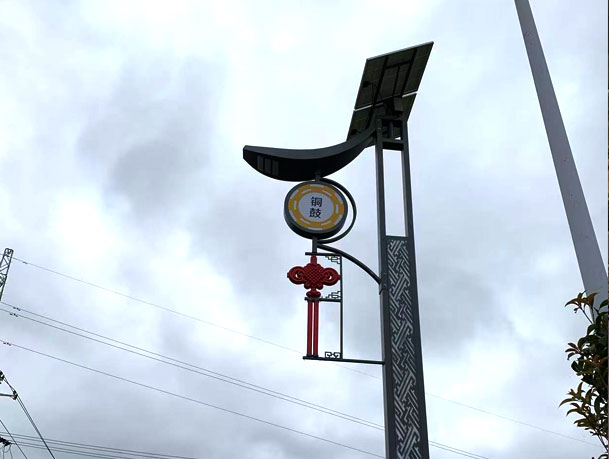
Where the package includes new steel supports, review Jieyao’s coastal duplex-coated lighting-pole scope. The pole and finish are one supply boundary; solar equipment and civil work must be identified separately. Send the route plan, exposure description, equipment arrangement, operating requirements and acceptance scope through the project enquiry page.
No. Ingress tests, corrosion protection, structural design and site water conditions address different duties. Match each required claim to the selected equipment and evidence.
Only if the lighting, shading, exposure, structure and maintenance reviews support that arrangement. Different route positions may require different solutions.
The agreed as-built, inspection, commissioning, unresolved-defect and operator-handover records define completion for the contracted scope.
The route and handover tables are original planning matrices. Apply them to the actual site and project specification.
Intertek, IP Testing — Ingress Protection per IEC 60529: https://www.intertek.com/lighting/performance/ingress-protection/
Galvanizers Association of Australia, Atmospheric coating durability (2016): https://gaa.com.au/faq/what-is-the-durabilityperformance-of-hot-dip-galvanized-coatings-in-different-atmospheric-environments/
European Commission JRC, PVGIS off-grid input/result fields: https://re.jrc.ec.europa.eu/pvg_tools/en/
Contact Us
Get a custom lighting solution and quotation for your project. Yangzhou Jieyao Lighting Equipment Co., Ltd. manufactures outdoor lighting and steel poles in Guoji Town Industrial Park, Gaoyou City, Yangzhou, Jiangsu, China. The company reports a 10,000 m² factory site, more than 60 employees including more than 10 technical personnel, and more than 100 production and testing machines. The present company name dates from 2017; Jieyao Poles’ published history traces the team’s manufacturing lineage to 2006. The stated 15 years of experience refers to the team. The company reports exports to more than 60 countries. Do you have any questions or requests?
Email: jay@jieyaolighting.com

Click to Chat.
Im online now.
 English
 Español
 Bahasa Indonesia
 Français