Home > Blog

How to Choose the Right Street Light Pole Height


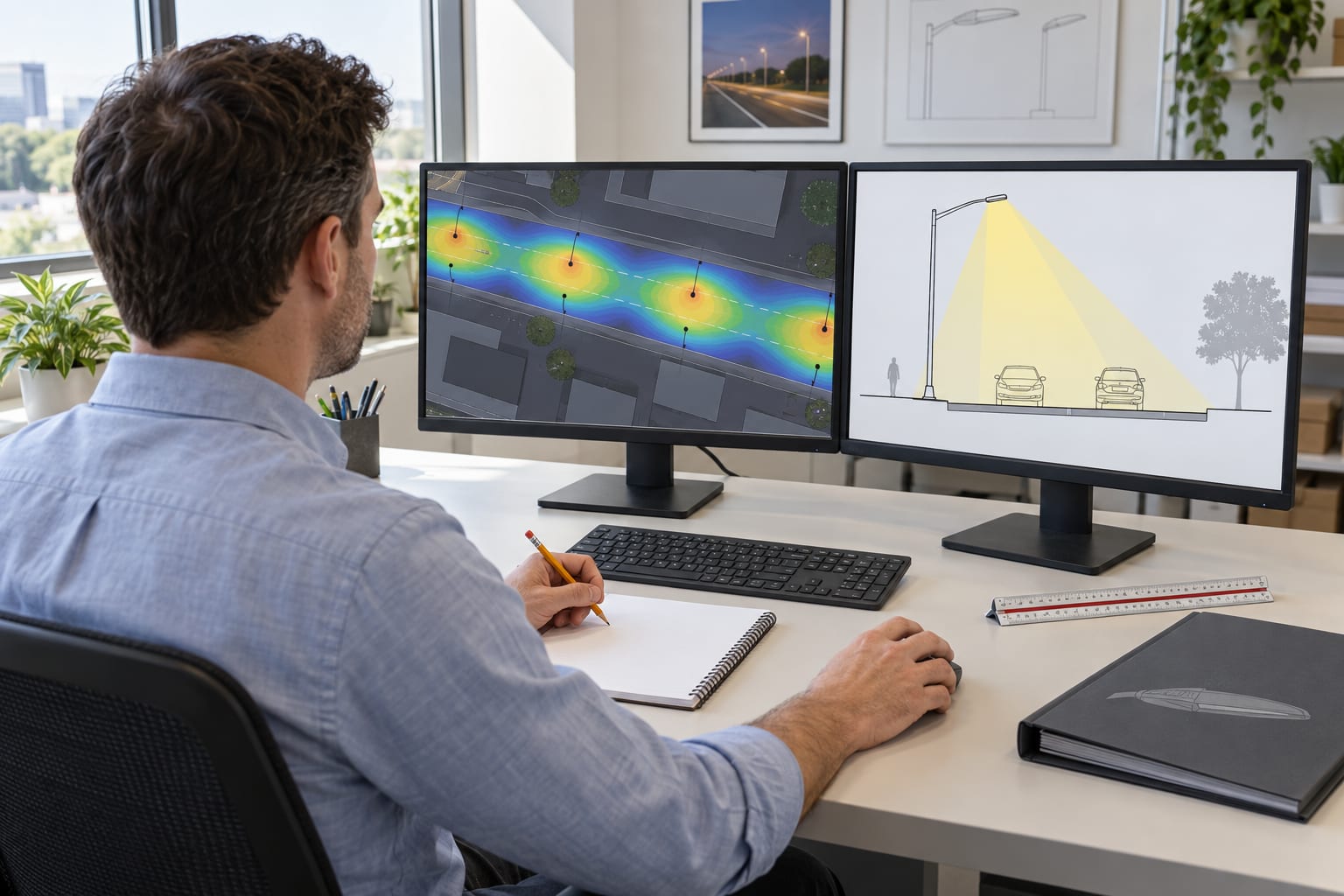
Choosing the correct street light pole height is one of the most important decisions in outdoor lighting projects. Pole height directly affects lighting coverage, brightness uniformity, installation cost, maintenance efficiency, and long-term energy consumption.

Many buyers focus only on lamp wattage, but in reality, the wrong pole height often causes poor illumination, dark zones, glare problems, and unnecessary project costs.

Whether your project is for municipal roads, highways, parking lots, industrial parks, residential communities, or solar street lighting systems, selecting the right lighting pole height helps improve both performance and return on investment.

This guide explains how to choose the best street light pole height based on application scenarios, road width, mounting spacing, and lighting standards. Get Professional Street Light Pole Solutions

street-light-poles.jpg


How to Choose the Right Street Light Pole Height


Why Street Light Pole Height Directly Impacts Project Success

Street light pole height is not just a structural parameter—it directly affects:

▶ Lighting coverage area

▶ Ground illumination uniformity (lux distribution)

▶ Number of poles required per kilometer

▶ Total project cost (steel + foundation + cables)

▶ Maintenance difficulty and safety risk

In real municipal and commercial projects, incorrect pole height selection can increase total lighting cost by 15%–40% due to over-design or rework.

Standard Street Light Pole Height Ranges (Industry Practice),Different application scenarios require different engineering heights.


Standard Height Reference Table

Application

Pole Height

Lighting Purpose

Typical System Type

Residential Streets

4–6 m

Soft, low-glare lighting

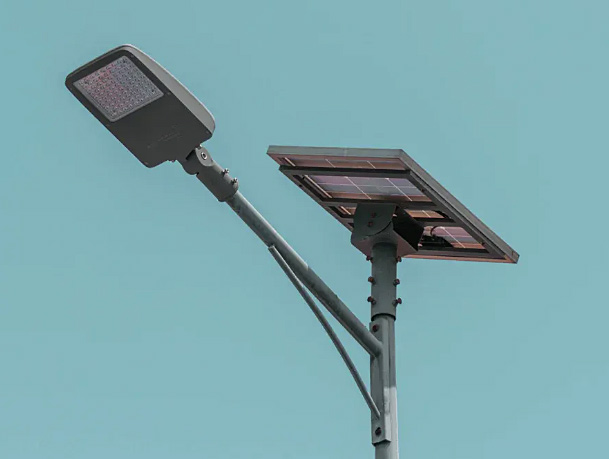
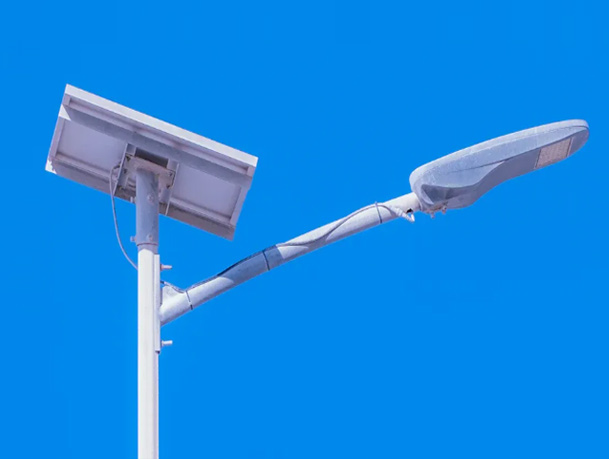
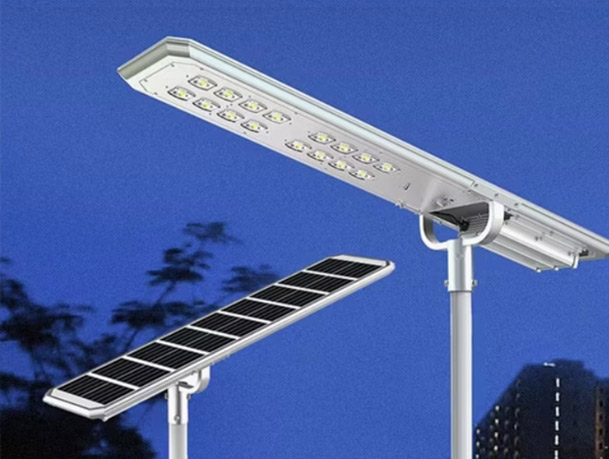
LED / Solar

Urban Secondary Roads

6–8 m

Balanced coverage

LED

Main City Roads

8–10 m

High uniformity

LED / Smart Lighting

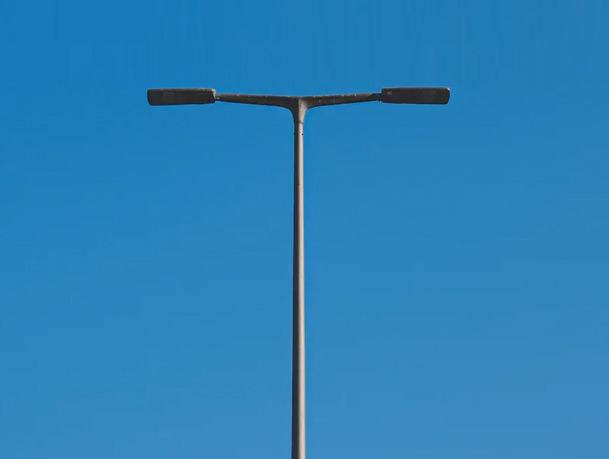
Highways

10–15 m

Long-distance visibility

High-power LED

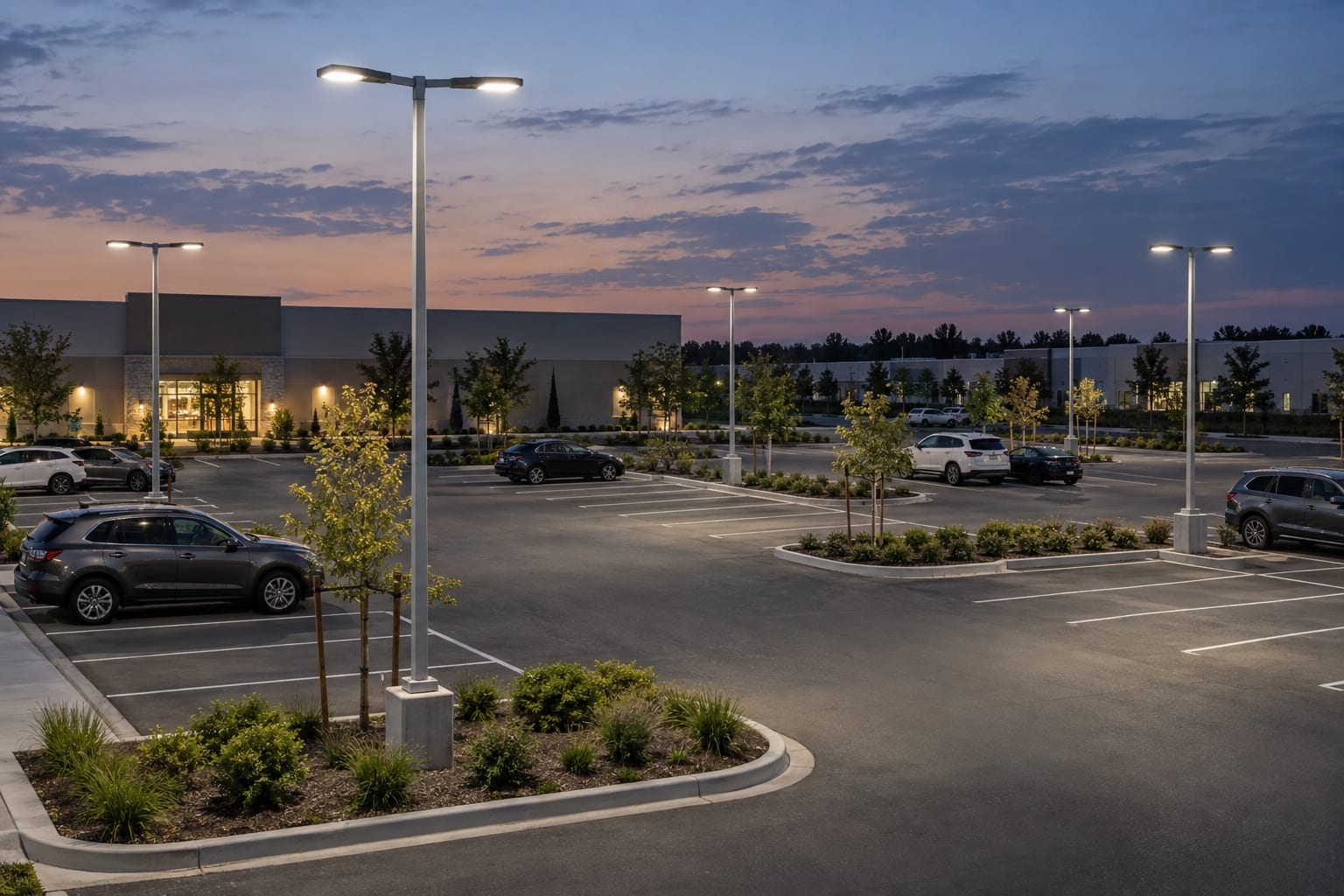
Parking Lots

6–12 m

Wide-area coverage

LED Flood Type

Industrial Zones

8–12 m

Safety + efficiency

LED High Output

Stadium / Airport

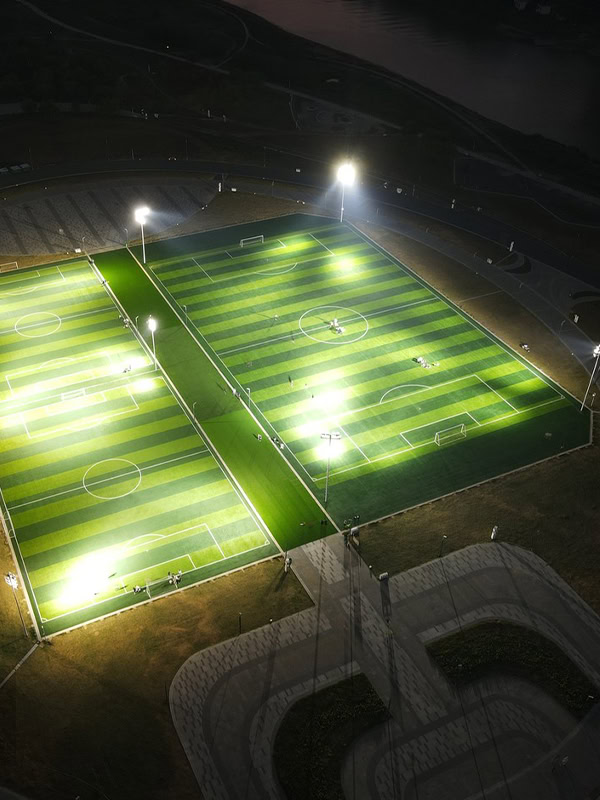
16–50 m

Ultra-wide coverage

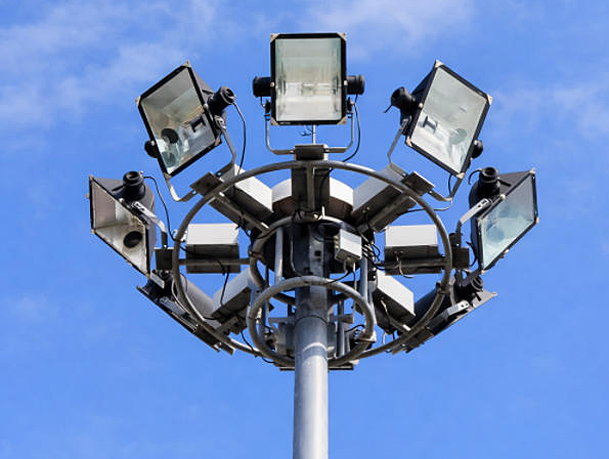
High Mast System


Core Engineering Logic Behind Pole Height Selection

Choosing street light pole height is not a guesswork decision. In real engineering projects, it is based on a combination of road geometry, lighting performance, and structural safety requirements.

To make the selection process clearer, the key engineering logic can be summarized into three core relationships:


Engineering Selection Summary Table

Key Factor

Engineering Principle

Practical Meaning

Risk If Ignored

Road Width

Pole height must match road width ratio

Ensures full road coverage without dark zones

Uneven lighting or over-illumination

Pole Spacing

Spacing is linked to pole height

Controls lighting uniformity and project cost

Dark spots or excessive overlap

Wind Load & Structure

Height increases structural load

Requires stronger steel and foundation design

Safety risk in high wind areas


1. Road Width vs Pole Height Balance

The most important principle in street lighting design is matching pole height with road width.

If the pole is too low, light cannot fully cover the road width. If the pole is too high, lighting becomes scattered and inefficient.

In engineering practice, the pole height is typically selected based on a proportional relationship with road width rather than a fixed value.

2. Pole Spacing Determines Lighting Uniformity

Pole height is directly linked to how far poles can be installed apart.

When spacing is too large, dark zones appear between light fixtures. When spacing is too small, it increases unnecessary material and installation costs.

This is why pole height and spacing must always be designed together, not separately.

3. Structural Safety Becomes Critical at Higher Heights

As pole height increases, wind pressure and structural stress increase significantly.

This means:

▶ Steel thickness must be increased

▶ Base flange size must be reinforced

▶ Foundation depth must be calculated properly

▶ Hot-dip galvanizing becomes essential for durability

In coastal or high-wind regions, this factor becomes even more important than lighting design itself.


Cost Impact of Choosing Different Pole Heights

Street light pole height does not only affect lighting performance—it directly changes the total project cost structure.

In most outdoor lighting projects, the final budget is influenced not only by the pole itself, but also by transportation, installation equipment (such as cranes), foundation design, and long-term maintenance requirements.

As pole height increases, every stage of the project becomes more complex and cost-intensive. That is why selecting the “right height” is always more cost-efficient than simply choosing the tallest option available.


Cost Impact Comparison by Pole Height

Pole Height

Material Cost

Installation Complexity

Equipment Requirement

Overall Project Cost Impact

6m

Low

Simple installation

Standard tools

Baseline

8m

+10%–15%

Moderate

Small lifting equipment

Slight increase

10m

+20%–30%

Higher complexity

Crane often required

Noticeable increase

12m+

+40%–80%

High installation difficulty

Heavy crane + reinforced foundation

Significant increase

Over-sizing pole height is one of the most common hidden cost mistakes.


Application-Based Selection Strategy (Practical Decision Guide)


Street light pole height should always be selected based on real application scenarios. Different environments require different lighting coverage, safety standards, and structural strength. Below is a practical engineering-based selection guide.


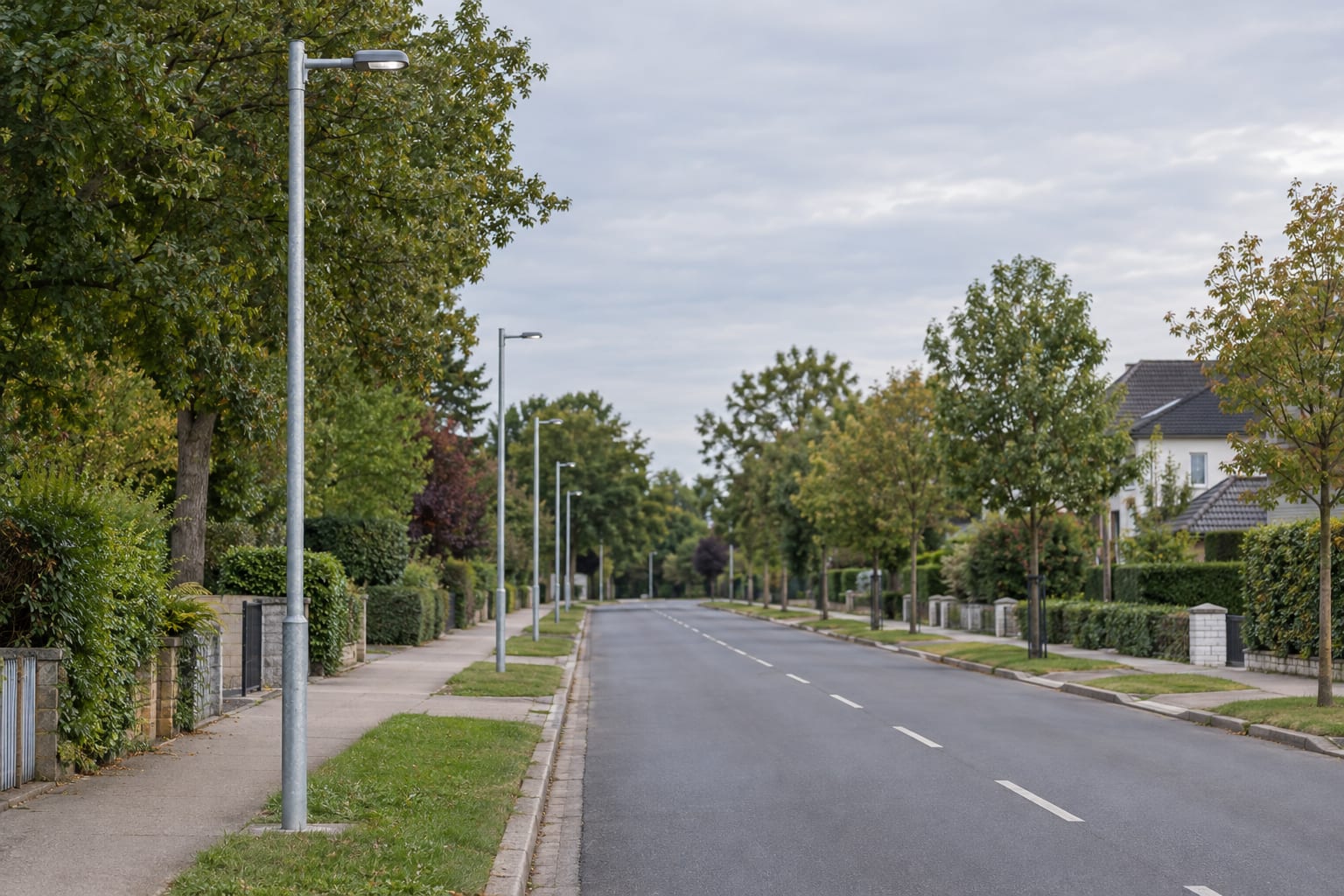
Residential Streets (4m – 6m)


Residential areas require soft, comfortable lighting with low glare for pedestrians and nearby homes. A pole height of 4m–6m is commonly used to provide uniform illumination for small roads and community environments while keeping energy consumption low.

Best for: housing areas, village roads, community streets

Residential-Streets.jpg


Urban-Roads.jpg


Urban Roads (6m – 8m)


Urban secondary roads require balanced lighting for both vehicles and pedestrians. A 6m–8m pole height ensures stable light distribution and good visibility without excessive brightness or energy waste.

Best for: city streets, commercial roads, school and hospital access roads


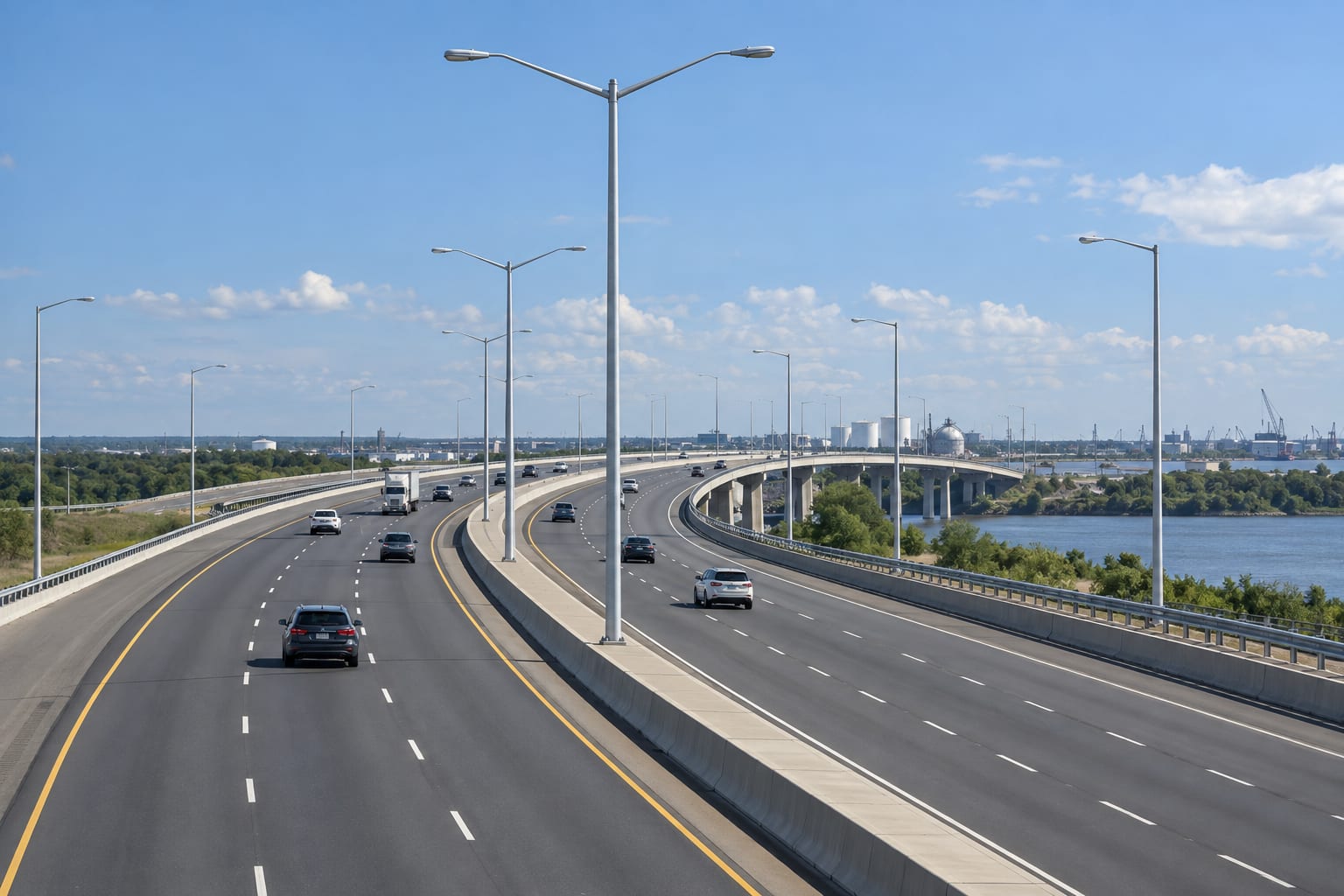
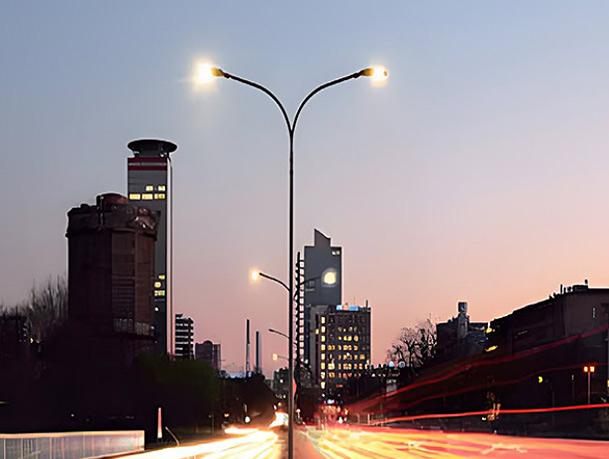
Highways & Main Roads (10m – 15m)


High-speed roads require long-distance visibility and strong uniform lighting. Pole heights of 10m–15m help extend lighting coverage, reduce dark zones, and improve driving safety at higher speeds.

Best for: highways, expressways, ring roads, airport roads

Highways-&-Main-Roads.jpg


Parking-Lots.jpg


Parking Lots (6m – 12m)


Parking areas need wide coverage with minimal shadow zones for vehicle and pedestrian safety. Depending on layout size, 6m–12m poles are commonly used to achieve flexible lighting distribution.

Best for: shopping malls, logistics centers, stadium parking areas


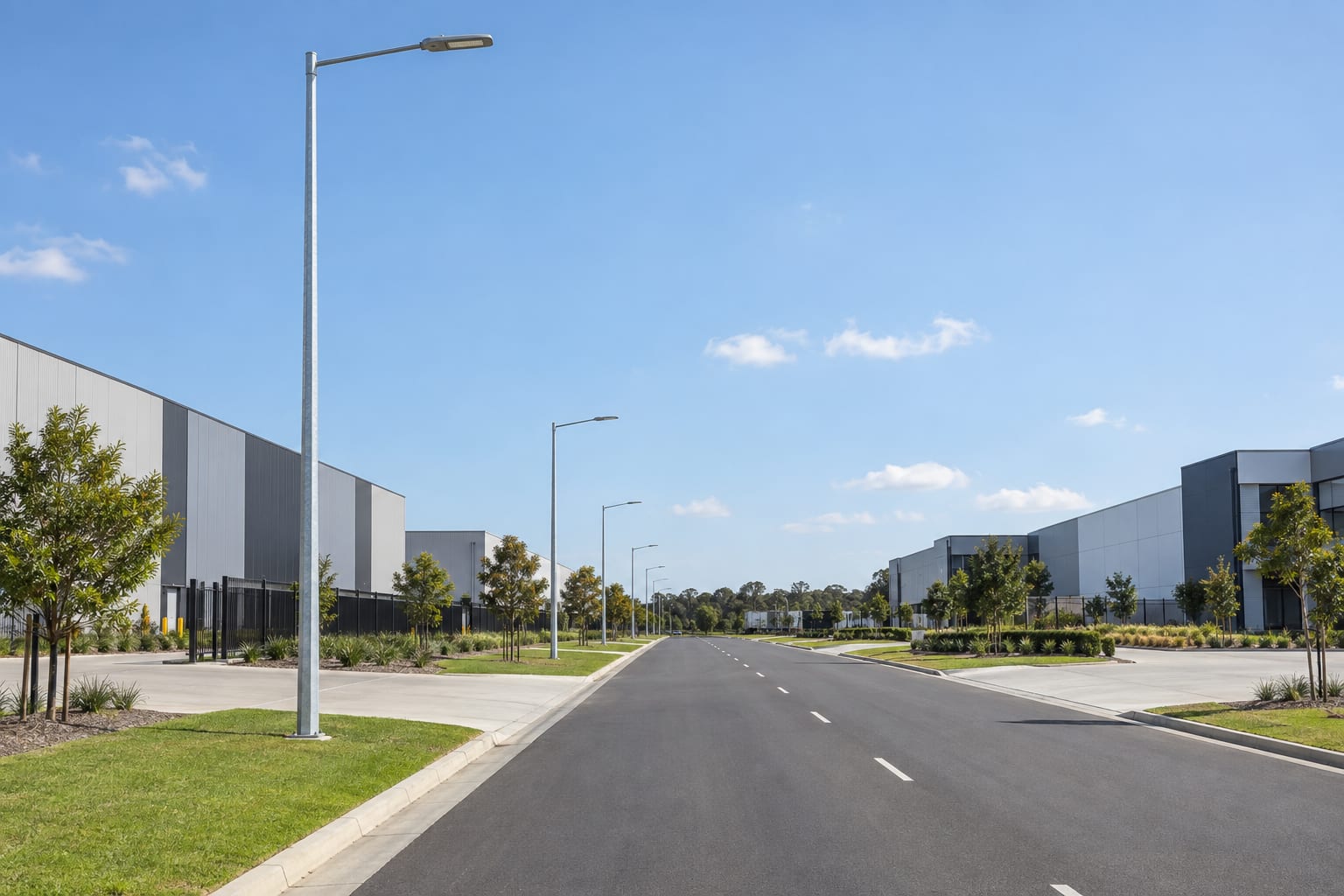
Industrial Zones (8m – 12m)


Industrial environments require reliable, high-intensity lighting for safety and continuous operation. A pole height of 8m–12m provides strong coverage while supporting high-power LED systems in demanding conditions.

Best for: factories, warehouses, industrial parks, construction sites

Industrial-Zones.jpg


Key Insight

In real engineering projects, pole height selection is always based on application first, not product size. Matching the right height with the right scenario ensures better lighting performance, lower total cost, and longer system lifespan.


Common Mistakes in Pole Height Selection

Choosing the wrong street light pole height is one of the most common reasons for poor lighting performance and unnecessary project costs. Many buyers focus only on unit price or standard sizes, while ignoring real engineering requirements such as road width, spacing, and wind load.

Avoiding these common mistakes can significantly improve lighting efficiency, reduce maintenance costs, and prevent costly project rework.


❌ Choosing Based Only on Price

Lower-cost poles may seem attractive at first, but if the height does not match the project requirements, the result is often poor illumination and higher long-term costs. A cheaper pole can lead to more fixtures, more maintenance, and earlier replacement.

❌ Pole Height Too Short

When the pole is too short, the light cannot cover the full road width, creating dark zones and uneven brightness. This reduces visibility and may create safety risks for both vehicles and pedestrians.

❌ Pole Height Too Tall

A taller pole is not always better. Over-height poles increase steel usage, transportation difficulty, installation costs, and wind load requirements. In small projects, this often leads to unnecessary budget waste.

❌ Ignoring Wind Load and Structural Safety

Higher poles require stronger steel thickness, larger base flanges, and deeper foundations. Ignoring local wind conditions—especially in coastal or open areas—can create serious structural safety risks.

❌ No Pole Spacing Planning

Pole height and spacing must be designed together. If spacing is too large, dark spots appear between fixtures. If spacing is too small, it increases material costs without improving lighting performance.


✔ Buyer Tip

Professional projects focus on total system performance, not just pole price. The right pole height should balance lighting efficiency, structural safety, installation cost, and long-term maintenance to achieve the best return on investment.


Galvanized Steel Pole vs Painted Pole (Durability Comparison)


Feature

Hot Dip Galvanized

Painted Steel

Lifespan

20–30 years

3–5 years

Corrosion Resistance

Excellent

Medium

Maintenance Cost

Very Low

High

Outdoor Suitability

All environments

Limited

ROI

High

Low

For export and municipal projects, galvanized steel is the global standard.


How Professionals Choose the Right Street Light Pole Height

Selecting the right street light pole height is a step-by-step engineering process, not a simple size decision. Professional buyers and project engineers focus on lighting performance, structural safety, and total project cost before confirming the final pole specification.

A well-planned selection process helps avoid over-design, reduces installation risks, and improves long-term project efficiency.


Professional Selection Process

Step

Key Focus

Purpose

Step 1

Confirm Project Type

Identify whether the project is for roads, highways, parking lots, residential areas, or industrial zones

Step 2

Measure Road Width

Determine the required lighting coverage area and suitable pole height range

Step 3

Define Lighting Standard

Confirm brightness level, uniformity, and visibility requirements

Step 4

Plan Pole Spacing

Balance lighting performance with material and installation cost

Step 5

Check Wind Load Conditions

Evaluate wind speed, corrosion environment, and structural safety requirements

Step 6

Optimize Cost vs Performance

Select the most cost-effective pole height for long-term project value


  Why This Process Matters

Many projects fail because pole height is selected too early without considering real application conditions. A professional selection process ensures that the lighting system is not only bright enough, but also safe, durable, and cost-efficient.

Instead of choosing the tallest or cheapest option, experienced buyers focus on the best balance between performance and total investment.


✔  Final Recommendation

The best street light pole height is the one that fits your project—not simply the standard size. Proper engineering selection helps reduce procurement mistakes, improves lighting results, and creates better long-term ROI for municipal and commercial lighting projects.


Recommended Solution from Jieyao Lighting


Choosing the right street light pole height is not only about selecting a standard size—it requires proper engineering support and cost planning.

We help customers choose the most suitable pole solution based on road width, project type, lighting requirements, and local wind conditions. This helps improve lighting performance while avoiding unnecessary installation and maintenance costs.

We provide customized solutions for municipal roads, highways, parking lots, industrial zones, solar street lighting projects, and high mast lighting systems. From standard 4m–12m street light poles to large high mast solutions, every project is matched with practical engineering recommendations.

Our support includes pole height selection, spacing advice, wind load calculation, and hot-dip galvanized steel pole production to ensure long service life and reliable outdoor performance.

Instead of simply supplying products, Jieyao Lighting helps buyers achieve safer, more efficient, and more cost-effective lighting projects.


Get Your Professional Pole Height Recommendation


Choosing the right street light pole height starts with the right project information. A clear technical evaluation helps reduce procurement mistakes and improves overall lighting performance.

Simply Send Us:

▶ Project type (road, highway, parking lot, solar lighting, etc.)

▶ Road width or installation area

▶ Local wind conditions

▶ Lighting requirements

You Will Receive:

▶ Recommended pole height

▶ Suggested pole spacing

▶ Cost-effective design advice

▶ Technical drawing support

▶ Professional quotation

Our engineering team helps you find the most suitable solution for safer, longer-lasting, and more efficient lighting projects.


FAQ – Street Light Pole Height Selection Guide


1. What is the standard height of a street light pole?

The standard street light pole height usually ranges from 6m to 12m, depending on the project type. Residential streets often use 4m–6m poles, while main roads and highways commonly use 8m–15m poles. The right height depends on road width, lighting coverage, and safety requirements.


2. How do I choose the right street light pole height?

The best way to choose street light pole height is to consider road width, pole spacing, traffic conditions, and lighting standards. A wider road usually requires a taller pole to provide better illumination and reduce dark zones.


3. Is a taller street light pole always better?

No. A taller street light pole increases lighting coverage, but it also increases material cost, wind load, and installation difficulty. The best choice is the height that matches your actual project needs, not simply the tallest option.


4. What pole height is best for parking lot lighting?

Parking lot light poles are usually between 6m and 12m high. Smaller parking areas may use 6m–8m poles, while large commercial or industrial parking lots often require 10m–12m poles for wider coverage and better visibility.


5. Why are galvanized street light poles better for outdoor projects?

Galvanized street light poles have stronger corrosion resistance and a much longer service life than painted steel poles. They are better for roads, highways, coastal areas, and municipal projects because they reduce maintenance costs and improve long-term durability.


6. Can street light poles be customized for different projects?

Yes. Street light poles can be customized by height, thickness, arm design, flange size, and wind resistance requirements. Custom solutions help match the pole with real project conditions and improve both safety and cost efficiency.


Contact Us

Get a custom lighting solution and quotation for your project.
About Jieyao Lighting: Leading Manufacturer of Energy-Efficient LED Street Lights1. Manufacturing Background & ScaleEstablished in 2017 and backed by a 20-year manufacturing heritage, jieyao lighting ...

Do you have any questions or requests?

Email: mr.xu@yzldzm.com
Tel: +86 13815843784
WhatsApp: +86 13815843784
Contact
Copyright © 2025 Yangzhou Jieyao Lighting Equipment Co., Ltd. All rights reserved
×
Send Your Inquiry Today
We use cookie to improve your online experience. By continuing to browse this website, you agree to our use of cookie.

Cookies

WhatsApp avatar

Click to Chat.

Im online now.

Hey, I'm Xu Jie from Jieyao Lighting. What can I do for you? Welcome to contact me, WhatsApp: +86 13815843784

WhatsApp Us

WhatsApp us