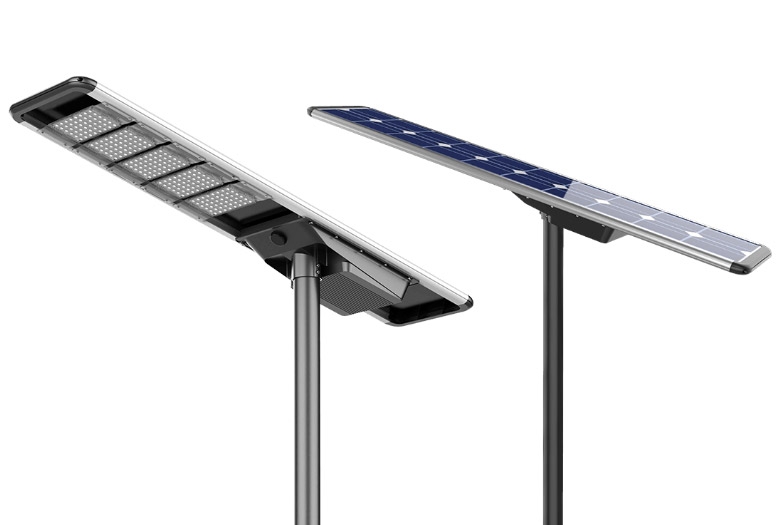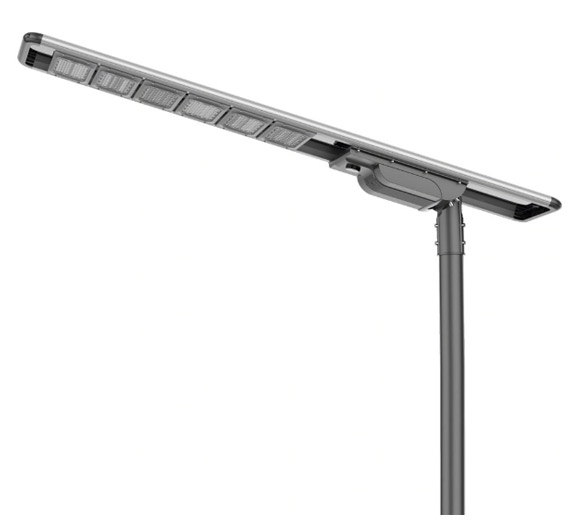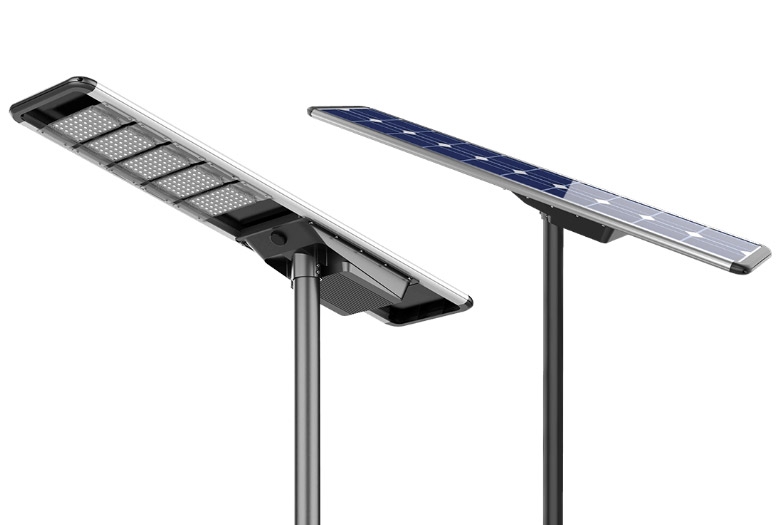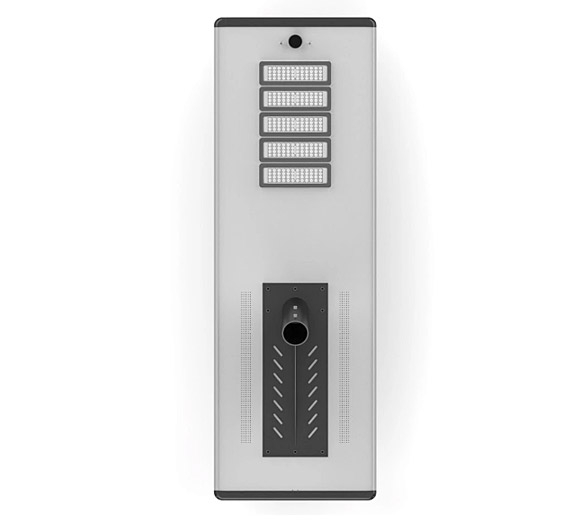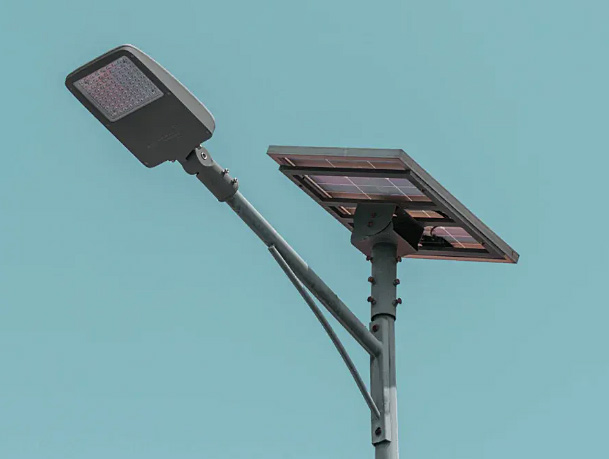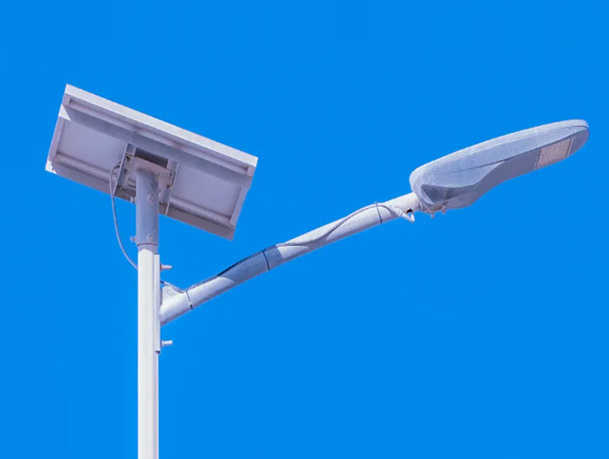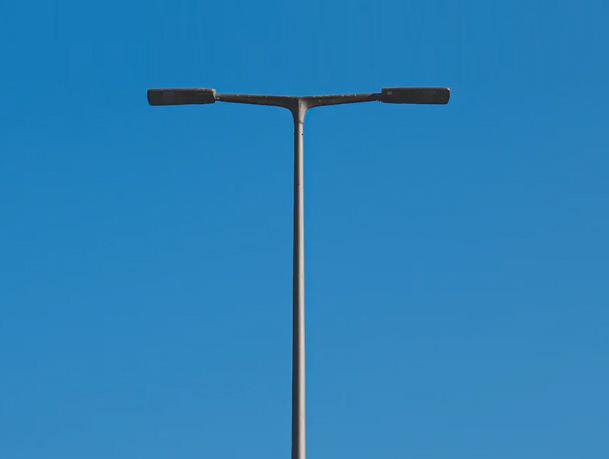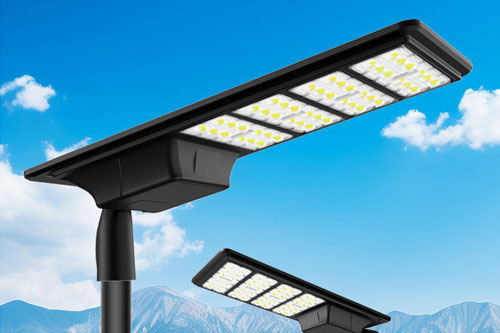

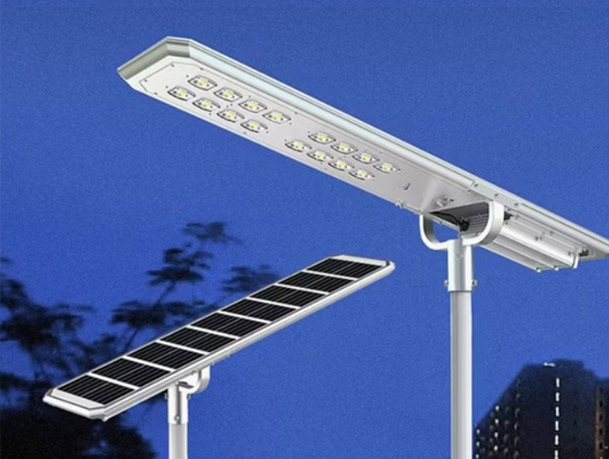
A typical solar street light configuration combines a PV module, rechargeable battery, LED head and driver, charging controls, mounting equipment, wiring and protection. Match the component schedule to the road or area task, local solar resource and required operating schedule. |
|
|
Compare the quoted PV module by its identified model, rated power, module efficiency and stated test conditions. Available mounting area and the required seasonal energy budget determine whether the module fits the project. Evaluate monocrystalline and polycrystalline options using the offered module data and the same site, mounting and load assumptions. A technology label alone does not establish daily energy collection or the lowest project cost. PV output reaches storage through the charging system. Request the module construction, applicable mechanical and environmental evidence, and separate product and power-output warranty terms. Include degradation assumptions explicitly in the project energy review. |
For solar LED street lights, compare the quoted battery chemistry, complete-pack nominal voltage, rated and usable energy, BMS and charging compatibility. Tie these details to the actual pack model and configuration. For a LiFePO4 option, request pack-level capacity and cycle-life evidence with temperature, discharge depth, current and end-of-life criterion. Cycle counts and calendar service expectations need separate conditions; chemistry alone does not establish a municipal project cost advantage. Assess battery safety at complete-pack level: cell identity, BMS protections, charging limits, enclosure and the applicable safety evidence. LiFePO4 chemistry is not immunity from fire or abuse; mechanical damage, short circuits and incompatible charging require the manufacturer's specified protections and handling instructions. For a ternary-lithium option, review the actual pack's energy, dimensions, current capability, temperature limits and documented ageing conditions against the same duty. Select the complete supported configuration rather than assigning a universal service life by chemistry. |
|
|
Request the LED/light-engine and driver identities, operating setting, measured lumen output and input power for the offered configuration. Any named chip brand or efficacy value in a quotation should map to that bill of materials and its applicable test evidence. Replacing an HID installation requires a comparison using the actual road geometry, photometric distribution, mounting, maintained lighting criteria and operating schedule. Rated watts or total lumens alone do not establish equivalent ground-level illumination. Key specifications: For an optional microwave sensor, specify detection coverage, timing, output scenes and the controller/driver interface. For flicker requirements, identify the applicable metric and operating or dimming conditions, then request the corresponding test result. Specify the required surge-test level and protection arrangement for the offered driver and assembly; keep the test scope and installation requirements with the quotation. Separate LED lumen-maintenance evidence, whole-luminaire reliability and written warranty terms. Request the item, endpoint, test or projection basis, temperature and drive conditions behind a lifetime claim. |
The controller regulates charging and load operation according to its model and settings. Confirm compatibility with the battery/BMS, PV input, driver and protection functions in the supplied configuration. For PIR control, define the detection zone, hold time, low-output scene and required response. Compare measured input-power time blocks over the agreed night schedule before claiming an energy or battery-life benefit. Specify how the unit detects dusk and dawn, its clock or sensor inputs, and the intended night program. Charging permission, temperature limits and recovery behavior should follow the matched battery and controller documentation. Confirm whether the quoted controller uses MPPT or another charging method, together with its PV and battery operating limits. Assess energy collection under the same irradiance, temperature and shading conditions, and check charging permission, storage and nightly duty separately. |
|
Integrated solar street lights group the panel, battery, LED head and controller near the luminaire. Installation scope follows the approved mounting and electrical drawings, including pole/foundation work, connections, safe access and commissioning by appropriately qualified personnel. All-in-one systems suit parking lots, rural roads, residential areas, public parks, and municipal projects where ease of installation and low maintenance matter most. get all in one solar street light quotation |
All in Two Solar Street Light An all-in-two or split description needs a component-location drawing: panel, battery, controller and light head may be grouped differently. Check connector compatibility, cable routes, mounting loads and the permitted independent aiming of panel and head. Features: Where adjustable LED modules are offered, identify their permitted settings and verify the selected distribution in the road-lighting calculation. Use the exact photometric file and road geometry to assess coverage, uniformity and glare rather than treating a beam-angle number as a road-width guarantee. Specify the battery location, complete-pack identity, usable energy and service access. Obtain ageing evidence under the proposed temperature and operating duty. If remote adjustment is required, identify the supplied control interface, supported settings and configuration-record procedure. For roads or parking areas needing separate solar orientation, review the actual panel and head adjustment limits, mounting structure and site lighting calculation. | Integrated Solar Street Lights Specify the bracket's permitted adjustment range and locked positions. Check how aiming the head affects panel exposure, road photometry and mounting loads. Features: Tie any quoted LED brand and measured efficacy to the exact light-engine/driver configuration and test conditions. Choose dusk sensing and motion control only where the offered model supports the required interface and the approved lighting task permits the programmed scenes. Verify backup duration from starting charge, usable battery energy, temperature, the night program and the agreed charging assumptions; require evidence for the quoted configuration. Where a camera option is requested, identify its model, field of view, power/data interfaces and the applicable permissions and service responsibilities. Include camera energy consumption, mounting, connectivity and commissioning in the system scope before comparing an integrated monitoring option. For parking, public-space or residential monitoring applications, coordinate the lighting task, camera requirements, operating schedule and maintenance access. | |
For wholesale or municipal procurement, define the required lighting duty and delivered configuration before comparing price, installation scope and service responsibilities. Features: Request the battery-compartment opening and replacement arrangement, approved service instructions and compatible spare-pack identity. Match the lamp-arm adjustment and pole connection to the approved mounting drawing, including dimensions, fasteners and locked positions. Identify the housing material, thermal design basis and operating conditions for the proposed light engine and driver. Provide structural and environmental evidence for the actual head, bracket, pole and site exposure; a material description alone does not establish wind resistance. Compare quotations with the same component scope, lighting duty, installation work and maintenance responsibilities. For rural roads, rest stops or industrial areas, check the specified photometry, charging/storage capability, environmental conditions and service access against the actual site. |
For a solar post-top arrangement, request the component-location and mounting drawings, internal/external connections and the complete installation and commissioning scope. Features: If microwave control is specified, verify coverage and response against the pedestrian task and site layout. Set high- and low-output scenes from the required lighting duty and supported controls, then verify the corresponding photometry and energy input. A genuinely off-grid arrangement can operate without a grid feed. Foundations, mounting, internal connections and any site services still belong in the installation scope. State the energy and emissions boundary, including operating power, manufacture, maintenance and replacements, when comparing sustainability claims. For sidewalks, squares, parks or walkways, agree the lighting criteria, appearance, controls and maintenance access before selecting the post-top configuration. |
Looking for a durable lighting solution for your next project ?
Request a technical datasheet and a competitive quote,get latest street light price
Contact the Jieyao team at [ Phone: +86 13815843784 /WhatsApp: +86 13815843784 ]
or visit our official site:www.jieyaolighting.com
Technical & Purchasing FAQ: All-in-One Solar Street Lights
1. What is the definition of an "All-in-One" solar street light? An All-in-One Solar Street Light groups the PV module, battery, LED source and controls in an integrated arrangement. Use the component and installation drawings to establish the actual locations, materials, connections and assembly work.
2. How does the system ensure performance during consecutive rainy days? Verify cloudy-weather backup using the offered pack's usable energy, starting charge, temperature, actual lighting program and agreed solar assumptions. Check the controller's protection and recovery rules separately; a charging-algorithm name does not specify a number of nights.
3. What are the primary cost advantages of Integrated Solar Lighting? An off-grid design may avoid a mains feeder where the selected configuration permits. Compare the same lighting service and project period, with itemized civil work, poles, installation, components, maintenance and replacements. Savings depend on that site-specific scope.
4. What is the expected lifespan of the integrated battery? Request the exact pack and cell identity, cycle-test conditions, usable-energy basis and calendar-age assumptions for the offered environment. Confirm BMS/charger compatibility, replacement access and warranty terms separately; a cycle count does not directly establish calendar service years.
5. How does the Motion Sensor optimize energy consumption? A motion-control option changes output according to its documented sensor and program. Agree the required detection and lighting scenes first, then compare measured input energy for that duty while retaining the required lighting performance.
6. What maintenance is required for Solar Powered Street Lamps? Set inspection and cleaning intervals from site soiling, vegetation, weather exposure, service access and the unit's maintenance instructions. Include panel condition, mounts, enclosures, connections and battery/driver records in the service plan; use appropriately qualified personnel and retain the inspection results. |
Contact Us
Get a custom lighting solution and quotation for your project. Yangzhou Jieyao Lighting Equipment Co., Ltd. manufactures outdoor lighting and steel poles in Guoji Town Industrial Park, Gaoyou City, Yangzhou, Jiangsu, China. The company reports a 10,000 m² factory site, more than 60 employees including more than 10 technical personnel, and more than 100 production and testing machines. The present company name dates from 2017; Jieyao Poles’ published history traces the team’s manufacturing lineage to 2006. The stated 15 years of experience refers to the team. The company reports exports to more than 60 countries. Do you have any questions or requests?
Email: jay@jieyaolighting.com

Click to Chat.
Im online now.
 English
 Español
 Bahasa Indonesia
 Français