

Short answer: An older street light can often be converted to LED without replacing its pole, but the existing structure, arm, mounting interface, wiring and lighting layout must be checked before a new luminaire is selected. A lower wattage alone does not show that the road will still meet its lighting brief. Treat the work as a defined luminaire retrofit, supported by a survey, a matched fixture submittal and a before-and-after photometric comparison.
For a grid-connected road-lighting retrofit, the usual question is whether the existing pole and arm can remain while an older luminaire is replaced with an LED road light. This is different from installing a solar system on an existing pole, replacing the pole itself or putting an LED lamp into an old housing. Those approaches have different mechanical, electrical and maintenance implications.
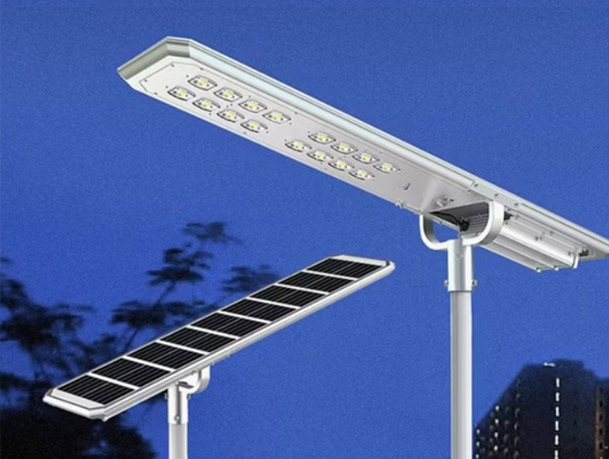
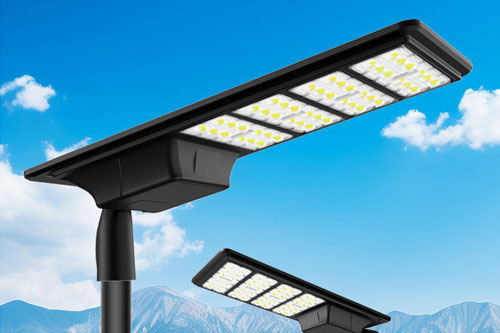
The pole may be retained only after its condition, arm attachment and capacity for the proposed fixture have been reviewed under the project requirements. The new luminaire must fit the actual spigot or bracket, achieve the required aim, connect to the available supply and controls, and deliver the specified lighting result. If any of those assumptions fails, the scope may expand to an arm, wiring or pole change. Jieyao's modular LED street light product shows one product family for discussion; its suitability for a retained arm cannot be inferred from the product name alone.

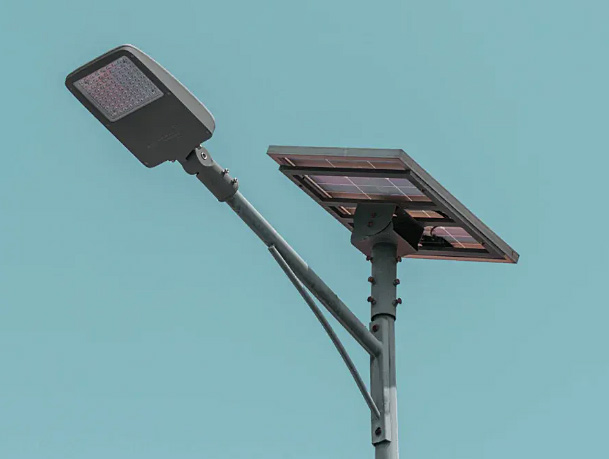
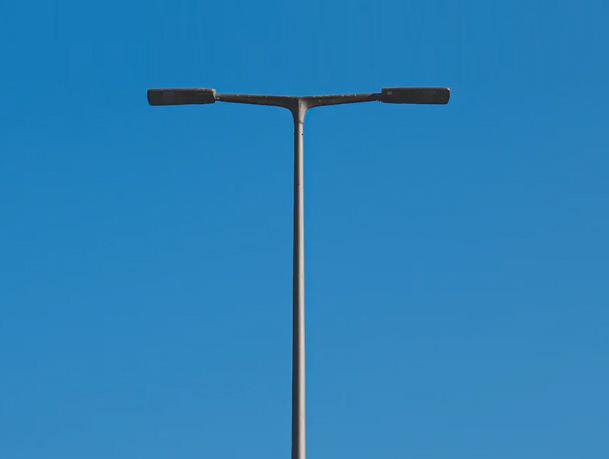
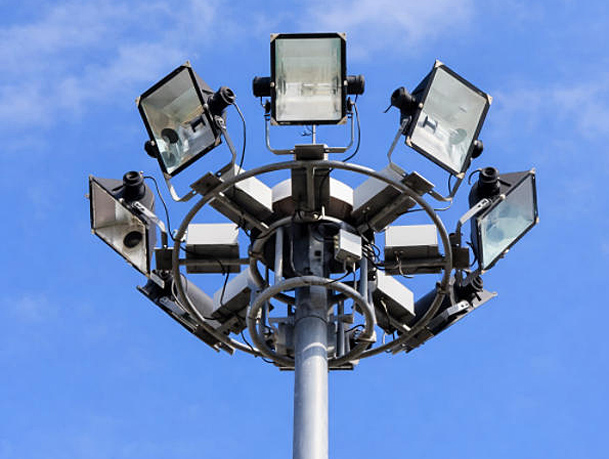
Jieyao road-luminaire gallery image for fixture-interface discussion; this is not a documented retrofit installation.
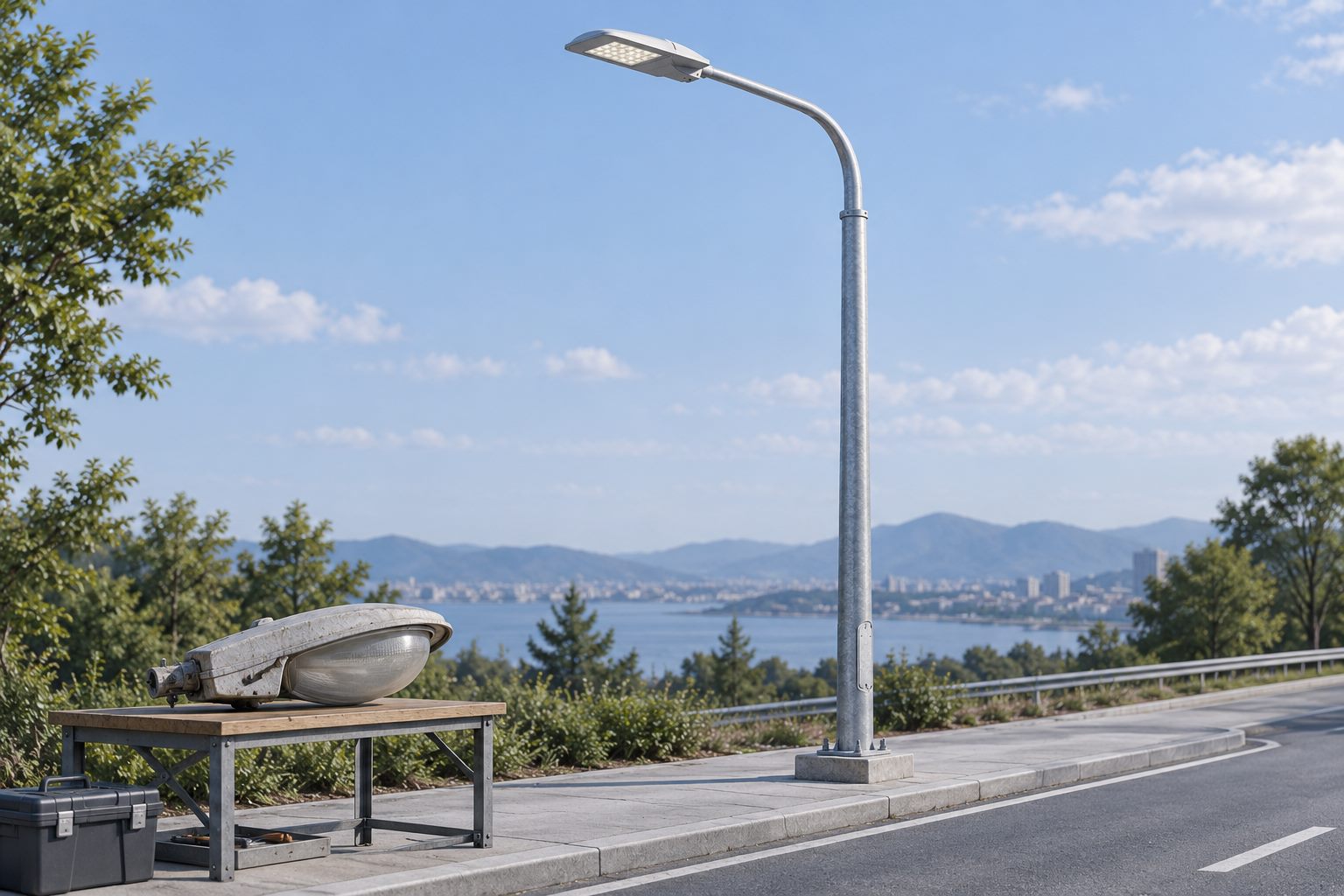
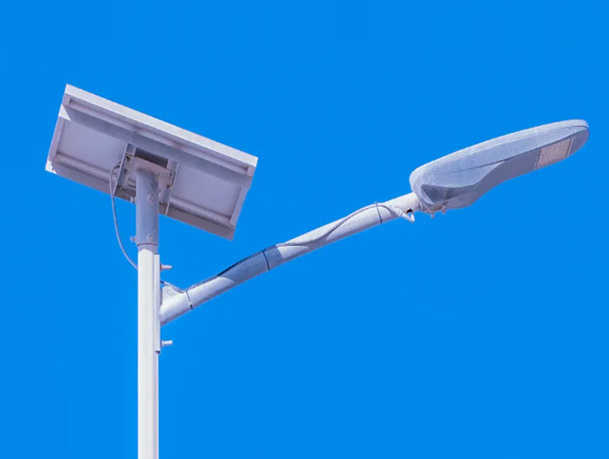
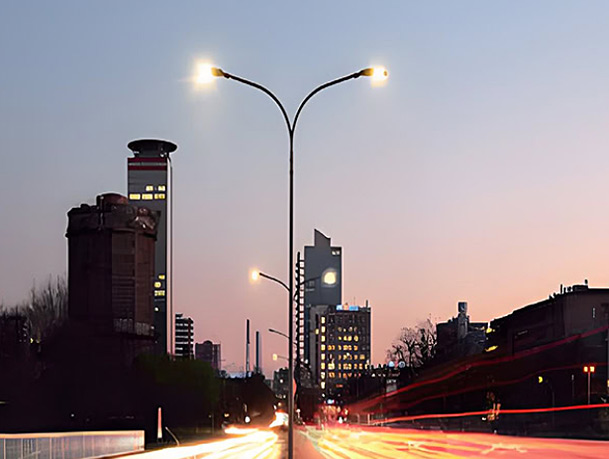
Illustrative retrofit concept only; not a Jieyao installation or product model.
A useful survey identifies each location, pole and arm type, mounting geometry, existing luminaire and circuit. Record visible damage, corrosion, loose interfaces or obstructed access, and refer structural or electrical concerns to the responsible qualified professional. Do not assume that all poles in one street are identical: past repairs can leave different arm diameters, mounting angles or wiring arrangements within the same asset group.
Ask for the current road-lighting requirement as well as the physical inventory. Road width, lanes, pedestrian areas, pole spacing, mounting height, outreach, tilt and nearby obstructions all influence the optical choice. A site photograph helps identify hardware but cannot replace dimensions, drawings or a lighting calculation.
| Survey item | Why the buyer needs it | What to provide or verify |
|---|---|---|
| Pole and arm condition | Confirms whether retaining the assembly is a defensible scope assumption. | Asset ID, photographs, visible defects and the responsible structural review where required. |
| Fixture mounting interface | Determines mechanical fit and aiming range. | Arm/spigot dimensions, orientation, insertion length, angle and any adapter requirement. |
| Electrical supply and control | Determines driver, protection and switching compatibility. | Supply characteristics, circuit arrangement, existing photocell or control node and required dimming method. |
| Road geometry and performance brief | Allows comparable photometric options instead of a watts-only substitution. | Layout, mounting height, spacing, target areas, applicable project criteria and maintenance assumptions. |
| Access and sequencing | Shapes installation method, outage planning and commissioning. | Traffic-management restrictions, access equipment, work windows and responsible parties. |
There is no universal LED wattage that replaces a particular older lamp. An older luminaire's optical distribution, lumen depreciation and mounting geometry may differ from a modern LED fixture. A lower electrical input can still produce a poor road-lighting result if light is sent to the wrong surfaces or creates unacceptable glare. Compare candidate fixtures using the same project layout and calculation assumptions.
| Scope | When to investigate it | Decision evidence |
|---|---|---|
| New LED luminaire on retained arm and pole | The structure and interface are serviceable and the required optical result is achievable. | Condition review, mounting dimensions, fixture submittal, circuit compatibility and photometric calculation. |
| LED luminaire plus arm or bracket modification | The pole may remain but the existing outreach, angle or connector does not suit the selected fixture. | Approved interface drawing, revised load/clearance review and installation detail. |
| Retrofit assembly inside an existing housing | Preserving a distinctive housing is a project requirement and a compatible, serviceable assembly is available. | Thermal, ingress, electrical and optical evidence for the complete modified luminaire—not just the LED board. |
| Full pole-and-luminaire replacement | The retained structure or interface cannot be accepted, or the new lighting geometry requires a different arrangement. | Structural and foundation scope, new equipment layout and staged removal plan. See the separate pole replacement survey guide. |
Request the exact luminaire and optic proposed for the road, not a generic catalog efficacy figure. The calculation should show the proposed mounting geometry, selected output, aiming and control state against the project's applicable lighting criteria. When bids are compared, keep the road layout and calculation basis consistent. Ask whether the submitted photometric file matches the offered hardware revision and whether any later substitution requires the calculation to be rerun.
Confirm the fixture's supply and connection details with the project electrical designer. Existing controls may range from simple dusk-to-dawn switching to a networked node; a new dimming-capable driver is not automatically compatible with the installed control architecture. Specify the desired operating scenes separately from full-output photometric compliance. Qualified personnel should assess isolation, earthing, protection and commissioning under local requirements; this article is a procurement guide, not a live-work procedure.
Also look beyond first installation. The buyer should know how the fixture opens, which components are replaceable, what model and revision will be supplied, and what spare-part information will accompany the batch. Those details help avoid a street of visually similar fixtures that require incompatible drivers, lenses or control nodes later. Jieyao's broader LED street light buying guide covers general new-fixture selection; the retrofit-specific question is whether the chosen fixture works with the existing asset and lighting layout.
Before ordering, align the asset schedule, survey exceptions, selected fixture/optic revision, mount or adapter drawing, electrical/control interface and agreed calculation. A sample installation can expose unexpected arm dimensions, aiming limits or wiring conditions before the whole route is converted. Where a trial is used, define what will be inspected and how a change to the approved configuration will be recorded.
At handover, retain the installed fixture and driver identification, as-built locations, control settings, test or inspection records and any unresolved defects. The asset owner should be able to trace each installed unit to a compatible spare-part description. This is more useful than a brochure statement that the retrofit is “maintenance free.” For a project-specific fixture discussion, send Jieyao the asset schedule and performance brief through the contact page; the manufacturer can then confirm what product and documentation it can actually offer.
Possibly. First verify pole and arm condition, the proposed fixture load and mount, and the required lighting layout. Keeping the pole is a project decision, not a general promise based on the age or wattage of the old lamp.
Old wattage is useful for estimating the present electrical load, but it does not determine the new optic or road-lighting performance. Compare candidate LED fixtures through a common photometric calculation and the project criteria.
No. A retained pole can reduce the scope of civil work when it is fit for continued use. If the structure, arm or geometry is unsuitable, a wider replacement may be the more defensible choice.
Send an asset schedule, mounting dimensions and photographs, supply/control information, road layout, target lighting criteria and any access restrictions. Flag unknown conditions rather than asking a supplier to infer them from a single image.
Contact Us
Get a custom lighting solution and quotation for your project. Outdoor lighting manufacturer in Yangzhou, ChinaAbout Jieyao LightingYangzhou Jieyao Lighting Equipment Co., Ltd. is an outdoor lighting manufacturer focused on solar street light systems and high mas... Do you have any questions or requests?
Email: jay@jieyaolighting.com

Click to Chat.
Im online now.