
JIEYAO LIGHTING · PROCUREMENT GUIDE
Specify the complete control combination before ordering luminaires or replacement nodes.
Technical sources reviewed 2 November 2026
A socket name covers only part of the specification. Identify the receptacle, LED driver, control node, power arrangement and management platform. Then connect each required function to a document, a responsible supplier and an agreed demonstration.
For a replacement node, start with the installed equipment record. For a new project, issue the same interface schedule to the luminaire supplier and the controls integrator before comparing offers.
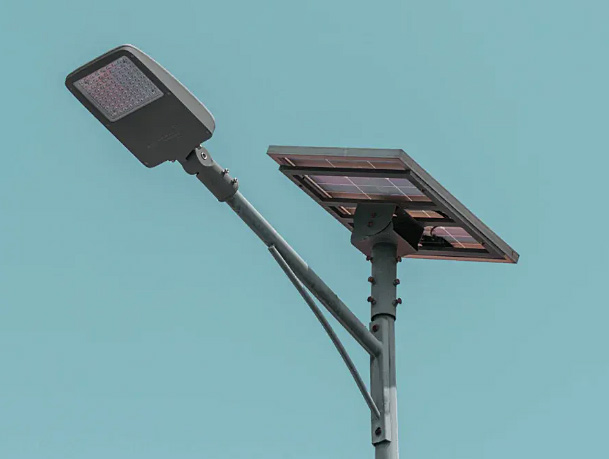
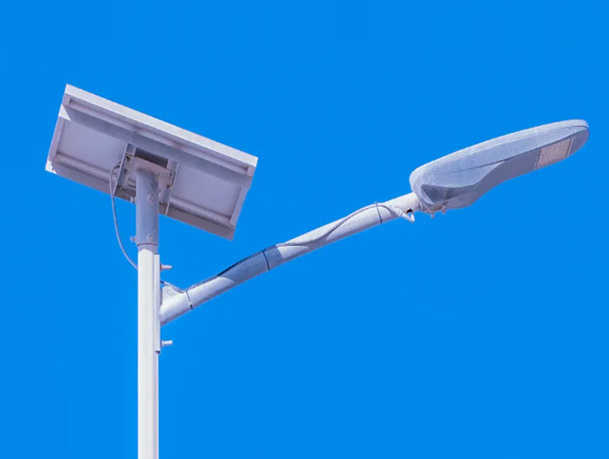
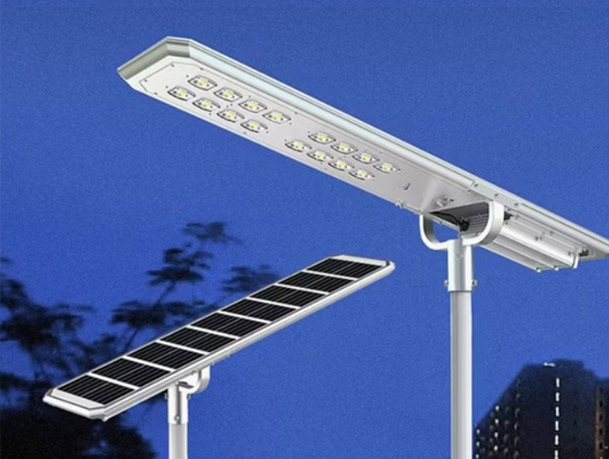
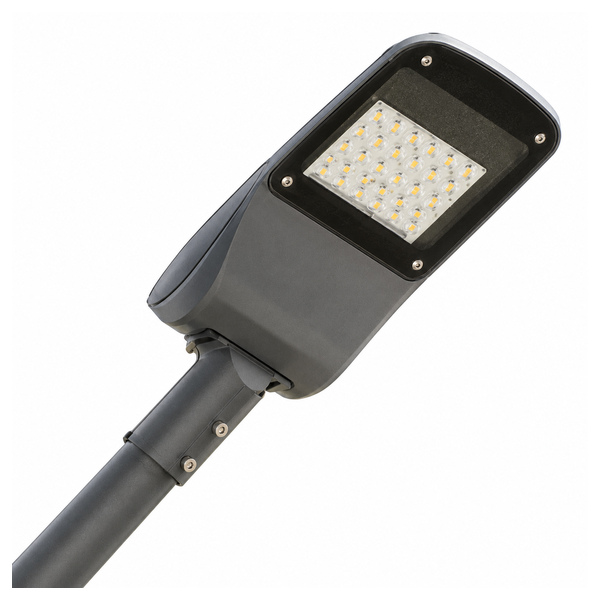
LED road luminaire with its optical cover and mounting sleeve.
Write the interface reference and the offered model beside each name in the quotation. A shorthand such as “smart-ready” leaves too much of the purchasing decision to assumption.
| Name in the offer | Verified scope | Buyer’s next question |
|---|---|---|
| NEMA / ANSI C136.41 | Verified scopeThe public ANSI C136.41-2025 scope covers the interface between an external locking control and a roadway or area luminaire, including mechanical, electrical and marking requirements. It identifies 0–10V and DALI dimming within its scope. [4] | Buyer’s next questionWhich receptacle, node and driver interface are offered, and which edition is specified by the project? |
| Zhaga Book 18 | Verified scopeZhaga’s tender guidance identifies Book 18 as the outdoor luminaire-to-sensor/communication-module interface. Its procurement examples distinguish receptacle position and configuration. [3] | Buyer’s next questionWhich connector arrangement and exact luminaire/node combination are being proposed? |
| DALI-2 / D4i | Verified scopeD4i extends DALI-2 certification with defined power and data features. D4i driver requirements include bus power and luminaire, energy and diagnostic data; auxiliary power is a separate check. [1] | Buyer’s next questionWhich driver variant is listed, what supply does the selected node need, and which data must the buyer receive? |
| Zhaga-D4i certification | Verified scopeThe joint program covers eligible luminaires and control devices. A certified driver component and a certified complete luminaire are different records. [2] | Buyer’s next questionCan the supplier identify the certification entries for the products actually offered? |
For Zhaga-D4i procurement, Zhaga states that the interoperability promise depends on certification on both sides of the interface. Check the luminaire and the sensor or communication module separately. Its tender page also shows that a luminaire can have a mixed Zhaga/ANSI C136.41 receptacle arrangement; avoid treating the two names as mutually exclusive descriptions of every complete luminaire. [3]
A connector preference should follow the project’s equipment, replacement strategy and control requirements. Ask each bidder to identify exceptions against the same schedule.
Use this schedule before the purchase order. The document requests and suggested owners below are a procurement method developed for this guide; assign the actual responsibilities in the contract.
Procurement review layers. Electrical design and installation follow the selected equipment documents.
| Check | Request with the offer | Assign an owner | Agree how it will be checked |
|---|---|---|---|
| 1. Receptacle and mounting | Request with the offerReceptacle manufacturer/reference; luminaire drawing revision; node mounting interface; position, clearance and enclosure instructions. | Assign an ownerLuminaire supplier, with node supplier review. | Agree how it will be checkedCheck the offered drawing against the selected node’s documents; resolve exceptions before release. |
| 2. LED driver | Request with the offerExact make, model and variant; declared control interface; configuration record; required certification database entry where specified. | Assign an ownerLuminaire supplier and driver supplier. | Agree how it will be checkedMatch the sample driver identification to the approved schedule and demonstrate the requested functions. |
| 3. Control node | Request with the offerExact node model; relevant hardware/firmware identification; supported functions; product entry where certification is specified; replacement instructions. | Assign an ownerNode supplier or controls integrator. | Agree how it will be checkedDemonstrate the selected node with the offered luminaire configuration; retain the settings and version record. |
| 4. Power arrangement | Request with the offerEquipment-specific supply requirements, available supply and consumption budget, operating limits and an identified electrical design responsibility. | Assign an ownerLuminaire supplier and responsible electrical designer. | Agree how it will be checkedDocument that the proposed supply meets the selected devices’ requirements under the agreed operating conditions. |
| 5. Network and platform | Request with the offerNetwork/gateway arrangement; management platform; command and data list; access, licences, subscriptions and configuration ownership. | Assign an ownerControls integrator and project operator. | Agree how it will be checkedWitness agreed commands and data arriving at the nominated platform; retain an export and handover record. |
Give the schedule a revision and link it to the quotation. If a model or firmware version changes, ask the responsible parties which evidence and demonstrations must be repeated. A supplier’s confirmation should identify the combination being accepted rather than a product family alone.
The DALI Alliance distinguishes integrated bus power from optional auxiliary power in its D4i driver overview. A D4i label alone should therefore not be used to infer every node’s supply arrangement. Obtain the selected node’s requirements and identify whether the offered luminaire provides them through its specified configuration. [1]
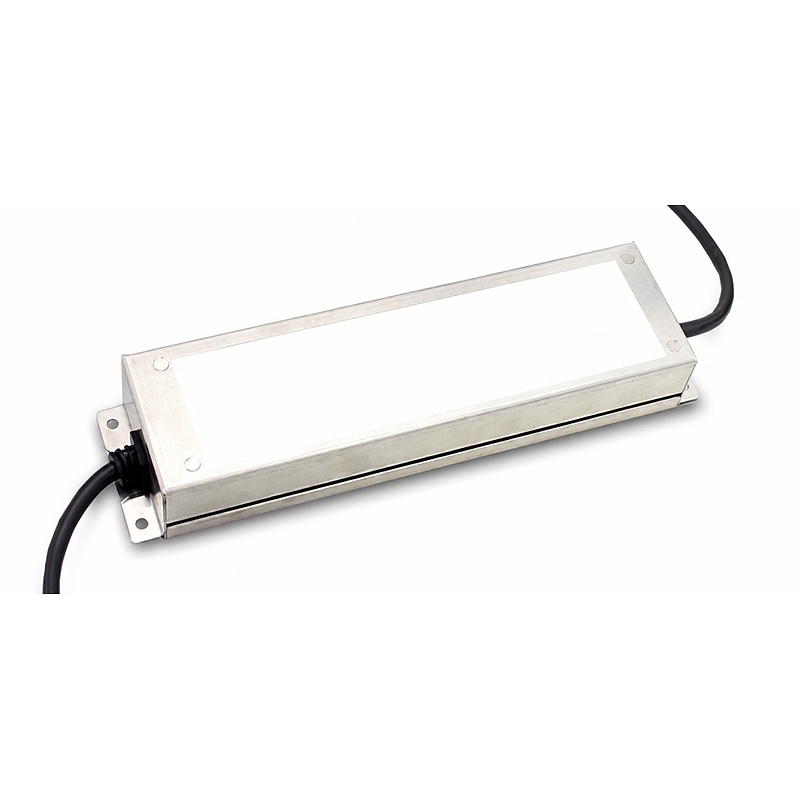
Sealed LED driver enclosure and cable exits.
The enclosure photograph helps identify a component to document. Use its nameplate, variant and supplier records to establish the control capability required by the project.
These are hypothetical purchasing examples. They illustrate document and responsibility checks, with no assumed compatibility or test result.
SCENARIO A · EXISTING LUMINAIRES
A road operator wants remote scheduling and fault reporting on installed socketed luminaires. The replacement-node supplier asks for the socket type.
Send more than a socket photograph: the installed luminaire and driver identifiers, receptacle reference, available supply arrangement, existing configuration and the operator’s required commands and data.
Ask the supplier to name the proposed node and platform path. If a function is unavailable, request the exception in writing and identify any equipment change it would require. Agree a representative compatibility demonstration before committing the remaining replacements.
Decision record: retain the accepted combination, demonstrated functions, exceptions and the party authorizing deployment.
SCENARIO B · NEW ROAD PROJECT
A purchaser selects road luminaires from one company and appoints a separate platform integrator. Each company describes its own product as compatible with the requested interface.
Issue one shared interface schedule: identify the luminaire, driver, receptacle and node; name the network and platform; list required commands, data and operating behavior. Have both suppliers state their included scope and exceptions against that revision.
Assign who supplies, configures and demonstrates each element. Include gateway and communication services where needed, account access, subscription duration, data export, updates and replacement support in the comparison.
Decision record: accept the documented combination and integration responsibilities before releasing orders across suppliers.
Certification records establish a defined product scope. The DALI Alliance explains that Zhaga-D4i checks include the relevant D4i component evidence and Zhaga interface requirements. Obtain the entries for the exact offered products when this certification is required. [2]
Write a separate function list for the system. For each requirement, name the originating device, the receiving platform, the evidence to retain and the witness. For example, a requested energy record should identify its source, reporting interval, units and export format. Ask the integrator to demonstrate it for the proposed combination.
After the interface combination is accepted, verify operation on the installed road. The road-lighting dimming-scene commissioning checklist covers groups, schedules, overrides and communication-loss observations. Keep those site results separate from the earlier purchasing evidence.
This purchasing guide does not provide pin assignments or wiring steps. Connection, isolation and replacement procedures belong in the approved electrical documents and the selected manufacturers’ instructions.
PREPARE A CONFIGURATION ENQUIRY
Start with the LED street-light product page, then send the project brief and the required control interface. Ask the quotation to identify the offered luminaire and driver configuration, proposed receptacle, required documents and the division of supply.
Include the node/platform details if another party supplies the controls. List the functions and evidence required for acceptance, with the project destination and quantities. Request explicit inclusions for nodes, gateways, software, communications services and commissioning wherever they form part of the enquiry.
Send a configuration enquiryUse the project quotation to define the equipment, services and acceptance responsibilities.
Compare the project’s existing luminaires, selected drivers and nodes, required functions, procurement rules and replacement plan. Request evidence for the proposed combination rather than choosing from the connector name alone.
D4i concerns defined driver/control-device power and data features. The node, network and platform still need an identified service path and an agreed function demonstration. [1]
The public ANSI C136.41-2025 scope includes DALI as well as 0–10V. Check the offered node and driver documents for the actual interface; a socket label does not select it for you. [4]
A solar charging and battery-protection controller has a different job. For that subject, read the solar street-light controller settings guide. Use this article for luminaire-mounted control-interface and integration questions.
The comparison uses the official public material below. The procurement schedule and hypothetical scenarios are this guide’s analysis. Standard scopes and certification overviews support the distinctions; equipment-specific documents establish the offered configuration.
Reviewed 2 November 2026. Use certification entries for the exact offered luminaire and control device.
Contact Us
Get a custom lighting solution and quotation for your project. Yangzhou Jieyao Lighting Equipment Co., Ltd. manufactures outdoor lighting and steel poles in Guoji Town Industrial Park, Gaoyou City, Yangzhou, Jiangsu, China. The company reports a 10,000 m² factory site, more than 60 employees including more than 10 technical personnel, and more than 100 production and testing machines. The present company name dates from 2017; Jieyao Poles’ published history traces the team’s manufacturing lineage to 2006. The stated 15 years of experience refers to the team. The company reports exports to more than 60 countries. Do you have any questions or requests?
Email: jay@jieyaolighting.com

Click to Chat.
Im online now.
 English
 Español
 Bahasa Indonesia