
JIEYAO LIGHTING · REPORT-BASED ORIGINAL ANALYSIS
Read two real light-source reports to separate color temperature, color rendering and brightness before selecting a street light CCT option.
CCT describes white-light color appearance; CRI concerns color rendering. One Jieyao sample measured 5426K within its printed 5000K–5500K interval; a different sample measured 6486K and CRI 74.5 against a report minimum of 70. These results do not establish that a higher CCT gives better road lighting.
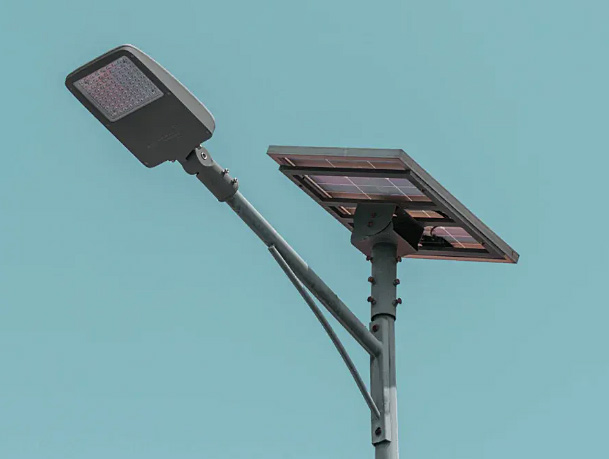
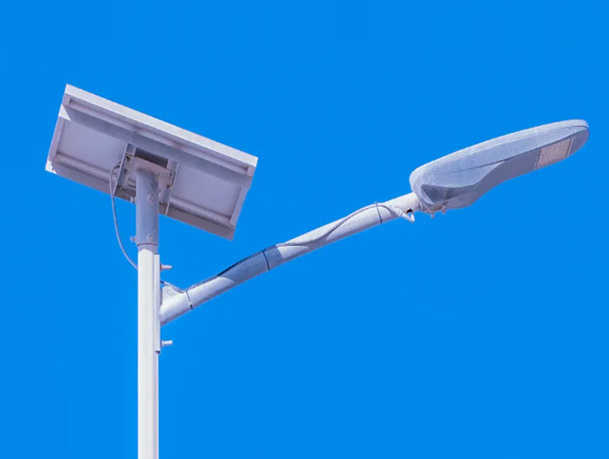
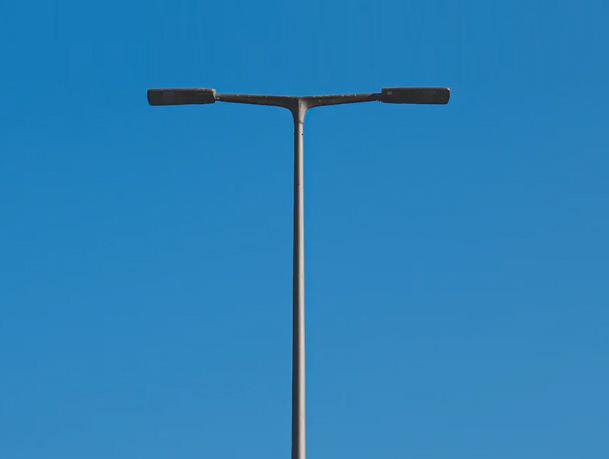
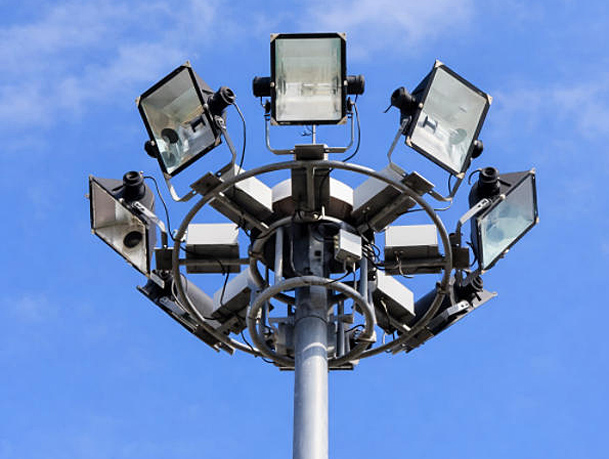
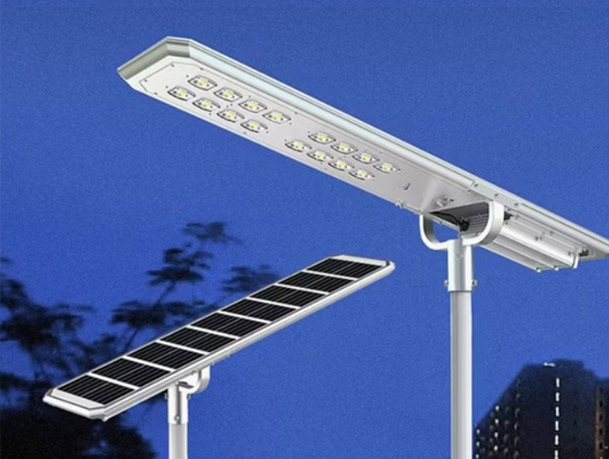
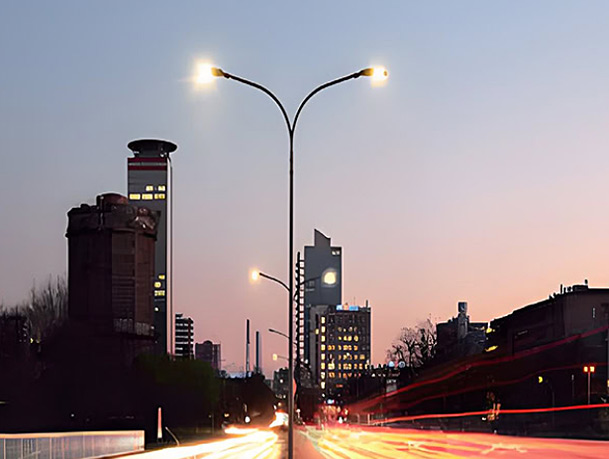
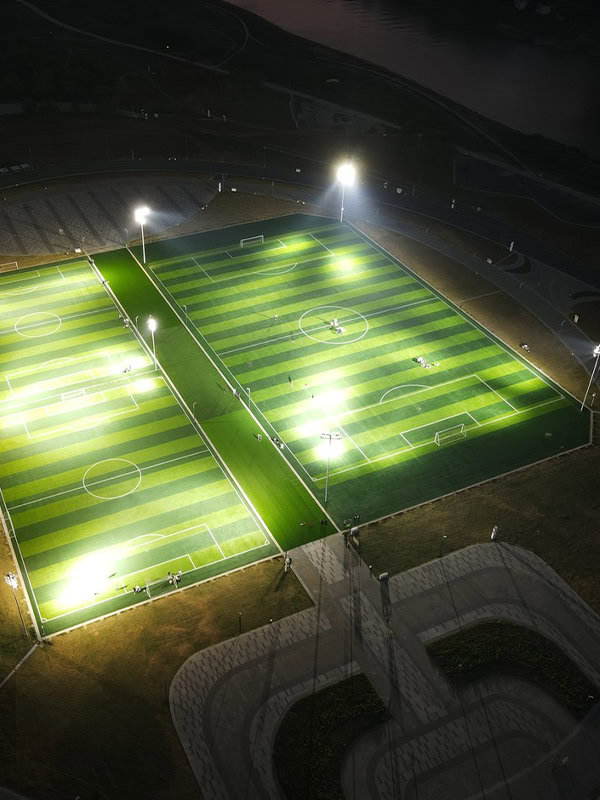
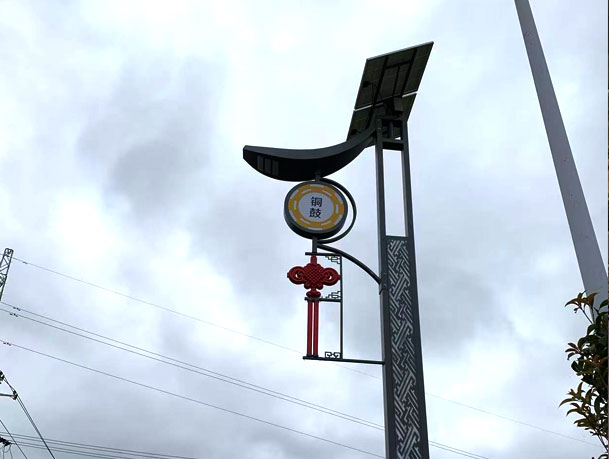
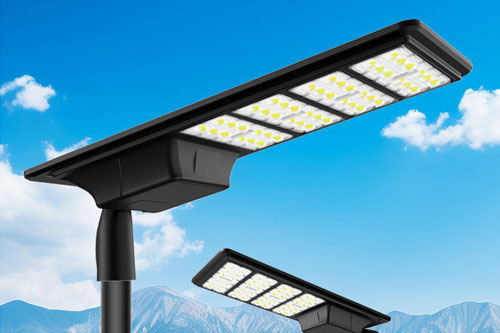
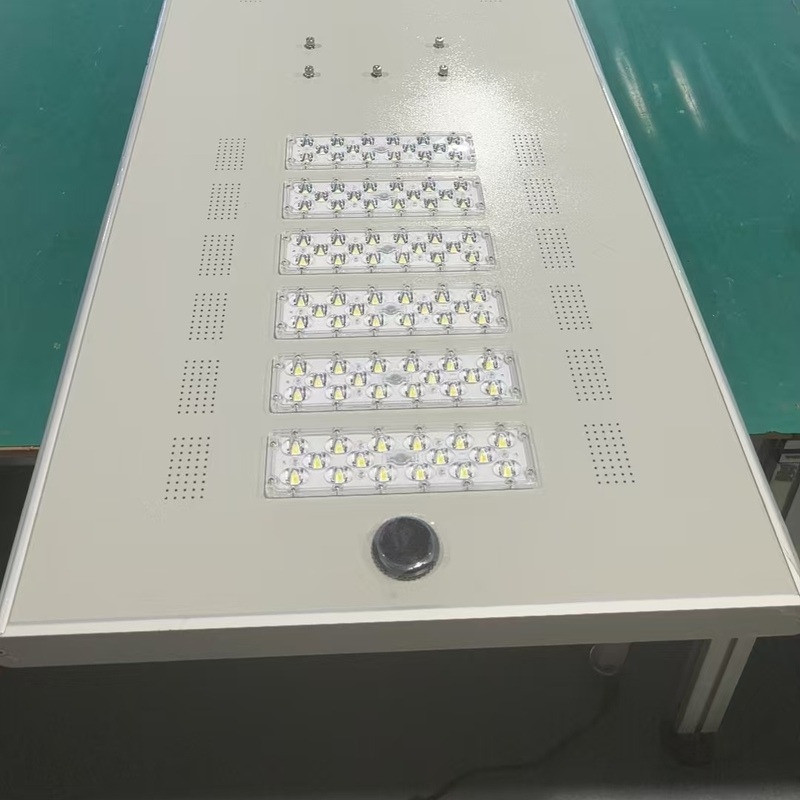
Real light-source/product detail photograph from the supplied library, already hosted on this website. It is product context, not identification of either submitted report sample or a calibrated emitted-light comparison.
When a street light quotation offers 3000K, 4000K and 6500K, the number is a color-temperature description, not a brightness rating. Correlated color temperature, or CCT, describes the appearance of nominally white light. Color rendering concerns how objects appear under that light. A source can have a high Kelvin value without meeting a project’s color-rendering requirement.
The US Department of Energy distinguishes light-source color appearance from color fidelity and explains that CCT condenses color information. It also discusses the limits of CRI and the availability of additional metrics such as R9 and TM-30. For procurement, that means CCT and a color-rendering requirement should be separate fields, with the actual metric named. We do not apply the DOE’s interior-lighting recommendations as a universal street-lighting rule.
| Field | Typical unit / notation | Question it answers | What it cannot establish alone |
|---|---|---|---|
| Correlated color temperature | K | What is the measured white-light color appearance? | Road illuminance, glare or color fidelity |
| General color rendering index | Ra / CRI | How does the tested light render the reference colors in this metric? | Every object color, R9 or a complete spectrum |
| Luminous flux | lm | How much photometric light output was measured? | Where light falls on the road |
| Illuminance / road photometry | lx; project-specific criteria | What reaches specified surfaces in the design? | CCT compliance or complete color quality |
Specify each property needed by the project. A brighter-looking photograph cannot replace a photometric file, and a Kelvin label cannot establish glare control. Camera exposure, white balance and screen settings also make web photographs unsuitable as calibrated comparisons of 3000K and 6500K.
We reviewed two commissioned Jieyao light-source reports. They describe different samples tested in different years and at different supply conditions. We place their color results side by side to show how to read evidence, not to claim that changing CCT caused a change in performance.
| Record | 2025 30W light-source sample | 2023 80W LED-source sample |
|---|---|---|
| Report number | AGXB125W00731 | AGXB123W00549 |
| Issue date | 24 October 2025 | 19 December 2023 |
| Test dates | 22–23 October 2025 | 14–18 December 2023 |
| Supply note | External DC 6.3V | Test voltage 3.4V |
| Measured CCT | 5426K | 6486K |
| CCT criterion printed in result row | 5000K–5500K | Method reference; no numerical CCT acceptance band printed |
| Color-rendering result | Not reported in this result table | 74.5; report criterion ≥70 |
2025 submitted 30W sample 5426K
2023 submitted 80W sample 6486K
Both bars use a 0–7000K scale. Bar color identifies data; it does not simulate emitted-light appearance.
Sources: AGXB125W00731, issued 24 October 2025; AGXB123W00549, issued 19 December 2023; n=1 in each. Different samples and supply conditions: this is not a controlled CCT trial.
The 2025 record gives a numerical CCT range, making a direct range check possible. The 2023 record gives a measured CCT but not a numerical CCT acceptance band in that result row. Its general color-characteristics pass conclusion should not be rewritten as a made-up 6500K tolerance.
The photographs show the identified test samples, not calibrated emitted-light colors. We have not recolored a road scene to imply an observed 3000K/4000K/6500K comparison. Missing CRI in the 2025 table means not reported here; it does not mean zero.
Check 1: the printed 5000K–5500K range. The 2025 measured result, 5426K, lies inside that interval. Its distance above the lower boundary is 5426 − 5000 = 426K; its distance below the upper boundary is 5500 − 5426 = 74K. Those distances describe one reported value. They are not a measurement uncertainty, a production tolerance study or a guarantee that future deliveries remain inside the interval.
Check 2: the reported color-rendering criterion. For the 2023 sample, 74.5 − 70 = 4.5 index points above the report’s minimum. A result of 74.5 does not satisfy a hypothetical project minimum of 80. It is also not “74.5% accurate color,” and the 4.5-point margin cannot be converted into a percentage improvement in visibility.
Check 3: keep unlike samples separate. The numerical CCT difference is 6486 − 5426 = 1060K. This describes two records; it does not say one produces 1060 units more light. Their rated power, supply conditions and dates differ. Any claimed CCT-versus-efficiency effect would require a deliberately controlled comparison that these reports do not provide.
| Check | Our arithmetic result | Permitted conclusion | Do not infer |
|---|---|---|---|
| 2025 range check | 426K above 5000K; 74K below 5500K | Reported 5426K lies inside its printed interval | Batch capability or remaining tolerance after uncertainty |
| 2023 color-rendering check | 74.5 − 70 = 4.5 points | Result exceeds this report’s stated minimum | Universal compliance with a Ra≥80 requirement |
| Cross-record CCT difference | 1060K | The two reported CCTs differ | More lumens, better visibility or a causal efficiency gain |
Use nominal CCT categories to define options, then evaluate the project requirements and actual test evidence. The categories below are an RFQ framework, not a ranking or a universal recommendation. These supplied reports do not test 3000K and 4000K versions, so neither option’s output, efficacy or stock availability is established here.
| Nominal option | Color-appearance description | What to confirm before selection |
|---|---|---|
| 3000K | Commonly described as warm white | Required project CCT, local restrictions, exact tested configuration and photometry |
| 4000K | Commonly described as neutral white | Permitted CCT band, agreed appearance sample, rendering metric and optical design |
| 6500K | Commonly described as cool/daylight white | Whether the project allows this CCT; actual measured value, rendering evidence and glare control |
Read the authority or client specification first. Where it requires a certain CCT, a different nominal option needs an explicit design decision rather than an assumption that a higher number is better. Review mounting height, optics, distribution, output and dimming alongside CCT. If neighboring properties are sensitive, the light-spill review is a separate part of the assessment.
If a quotation offers “4000K, CRI≥80,” ask for evidence for that exact variant. The 6486K/74.5 report cannot verify it. Similarly, a report at 5426K cannot be relabeled as a 4000K test merely because the housing looks similar. Product identity, LED version, drive condition and configuration-to-report mapping need to stay connected.
A useful approval process connects the report, proposed LED/light-engine variant and a documented appearance sample. Record the actual model, CCT option, drive condition and the acceptance requirement in the order. If consistency between luminaires is important, ask what chromaticity/consistency criterion is supplied and how it is verified; neither of these two report tables establishes a multi-unit consistency result.
For brightness questions, see our 30W solar street light lumen analysis. That article reads the same 2025 record for a different procurement question. Here the new analysis concerns CCT compliance, the separate rendering result and the limits of comparing two different samples.
Yangzhou Jieyao Lighting Equipment Co., Ltd. supplies outdoor lighting from Yangzhou, China. Send the required nominal CCT and acceptance band, the color-rendering metric and minimum, road-layout requirements, controls and project restrictions with the enquiry. Request the test evidence for the proposed configuration rather than a general company certificate.
An RFQ can state: “Quote the specified CCT variant and identify its measured color and rendering results. State the applicable tolerance/consistency criterion, provide the corresponding photometric file and identify which report covers the offered configuration.” The purchaser should set the actual values from the design brief; this article does not prescribe a universal street-light CRI or CCT standard.
Neither current availability nor identical output across CCT options is established by the historical records. A useful supplier response should identify gaps and the evidence needed to close them before an appearance or performance claim enters the purchase specification.
Kelvin alone cannot answer that. Compare measured lumens and the relevant road photometry for the exact configurations. These two reports are not a controlled test of CCT effects.
No. It exceeds the report’s minimum of 70 by 4.5 points, but it is below 80. Apply the requirement actually specified for the project.
No. It supports the recorded sample and its printed 5000K–5500K interval. A 4000K variant needs its own applicable evidence.
Ordinary product photographs cannot provide a calibrated light-color or visibility comparison. They help identify the physical sample.
Send the project requirements, proposed configuration and the evidence you need to Jieyao. Ask for a clear connection between the supplied variant and the applicable report.
Discuss your project with Jieyao →Contact Us
Get a custom lighting solution and quotation for your project. Yangzhou Jieyao Lighting Equipment Co., Ltd. manufactures outdoor lighting and steel poles in Guoji Town Industrial Park, Gaoyou City, Yangzhou, Jiangsu, China. The company reports a 10,000 m² factory site, more than 60 employees including more than 10 technical personnel, and more than 100 production and testing machines. The present company name dates from 2017; Jieyao Poles’ published history traces the team’s manufacturing lineage to 2006. The stated 15 years of experience refers to the team. The company reports exports to more than 60 countries. Do you have any questions or requests?
Email: jay@jieyaolighting.com

Click to Chat.
Im online now.
 English
 Español
 Bahasa Indonesia