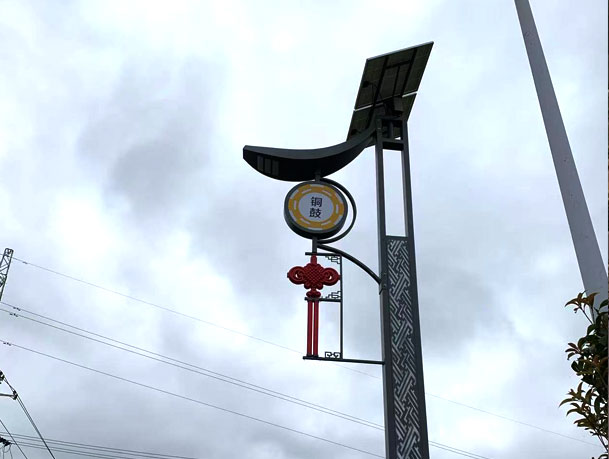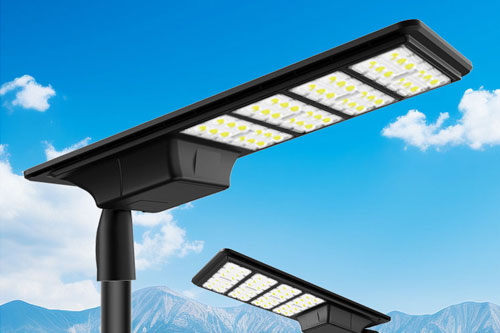


Short answer: After a street light pole drawing is approved, a changed luminaire, arm, camera, sign, base or cable interface should be treated as a controlled design change—not a quiet substitution. Identify the affected pole types and locations, compare the new equipment and loads with the approved design basis, assign the engineering decision, issue a revised drawing if needed and release only the affected fabrication lot after approval. Keep the old and new revisions traceable.

A changed equipment or interface input must be tied to a controlled drawing revision.
Not every purchase-order note changes the structure, but the supplier and project engineer should not assume that a visually similar component is interchangeable. Compare the revised equipment schedule with the approved version. A different luminaire can change weight, effective projected area, spigot dimensions, tilt or cable path. A longer arm can change pole demand and the road-lighting position. A different base template or door orientation can block installation even if the shaft remains unchanged. This page begins after approval; the shop drawing checklist covers the original pre-production approval package.
| Changed input | Potential interface or consequence | First review question |
|---|---|---|
| Luminaire or bracket | Weight, projected area, mount, outreach, tilt and cable entry | Does the original structural and optical basis still apply? |
| Arm arrangement | Connection, orientation and bending action on the shaft/base | Which pole types and roadway locations are affected? |
| Camera, sign or smart-pole device | Added loading, cable separation and service access | Was this equipment included in the approved load schedule? |
| Base plate or anchor cage | Hole pattern, reactions, embedded hardware and foundation coordination | Has the responsible foundation designer accepted the new interface? |
| Coating or environment | Finish system, fasteners, repair scope and appearance | Does the finishing and inspection plan need revision? |
| Location or quantity | Type schedule, lot marks, packing and installation sequence | Can every revised item still be traced to its final location? |
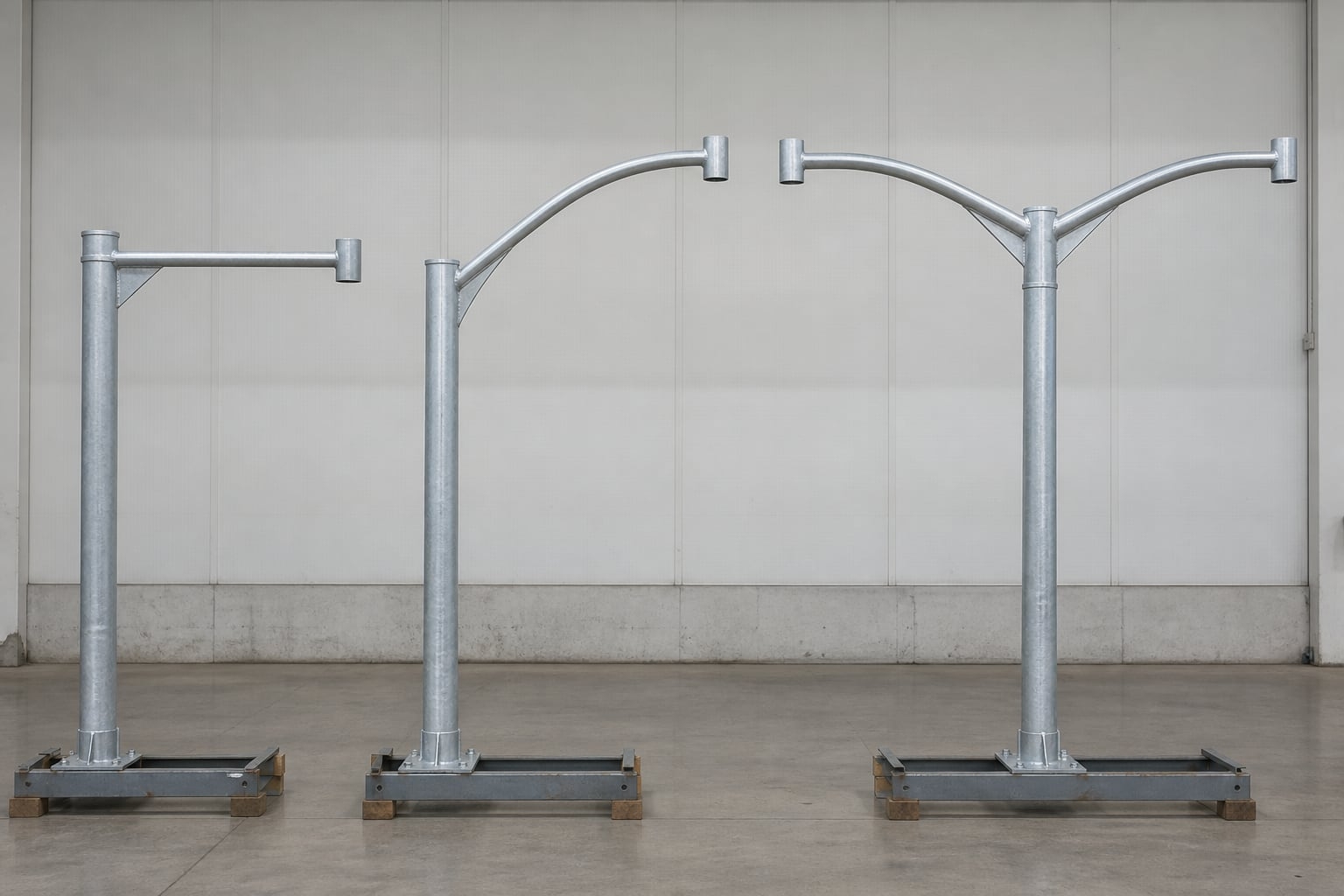
Changing arm arrangement is a new structural and mounting interface, not merely a different drawing label.
Record the change request with its origin, old and proposed values, affected type codes, location IDs, purchase-order line and current manufacturing status. Mark the affected drawings and physical lots as on hold until the project decision is documented. Unaffected approved lots may continue if the parties confirm they are genuinely independent. If steel has already been cut, welded or galvanized, the proposed change may have a different cost and schedule consequence from one raised before release.
The inspection and test plan guide explains where hold and witness decisions sit in the manufacturing flow. A change request should state who is allowed to lift the hold and which evidence they need. Avoid a verbal “okay to proceed” that cannot be matched to the manufactured unit later.
| Record | Required content | Release use |
|---|---|---|
| Change request | Reason, initiator, old/new input and affected pole/location IDs | Defines the exact scope; prevents blanket assumptions. |
| Engineering comparison | Loading, geometry, lighting, foundation, electrical and finish effects as applicable | Establishes whether a revised design is required. |
| Approved drawing revision | Controlled drawing number, revision, date and decision authority | Gives fabrication one current instruction set. |
| Production/inspection disposition | Units already made, rework or replacement plan, affected tests and witness points | Separates accepted, held and rejected material. |
| Commercial/schedule disposition | Approved quantity, delivery and cost effect where contractually relevant | Updates the baseline without silently changing scope. |
| Closeout mapping | Lot marks, packing records, installed location and final document index | Preserves traceability through handover. |
A revised arm may still need a different spigot, insertion depth or cable route. A changed base plate must align with the actual anchor template and project foundation. Review sample or first-affected-unit measurements when the interface cannot be confirmed from documentation alone. The arm and luminaire mounting guide and foundation interface guide provide the underlying checks.
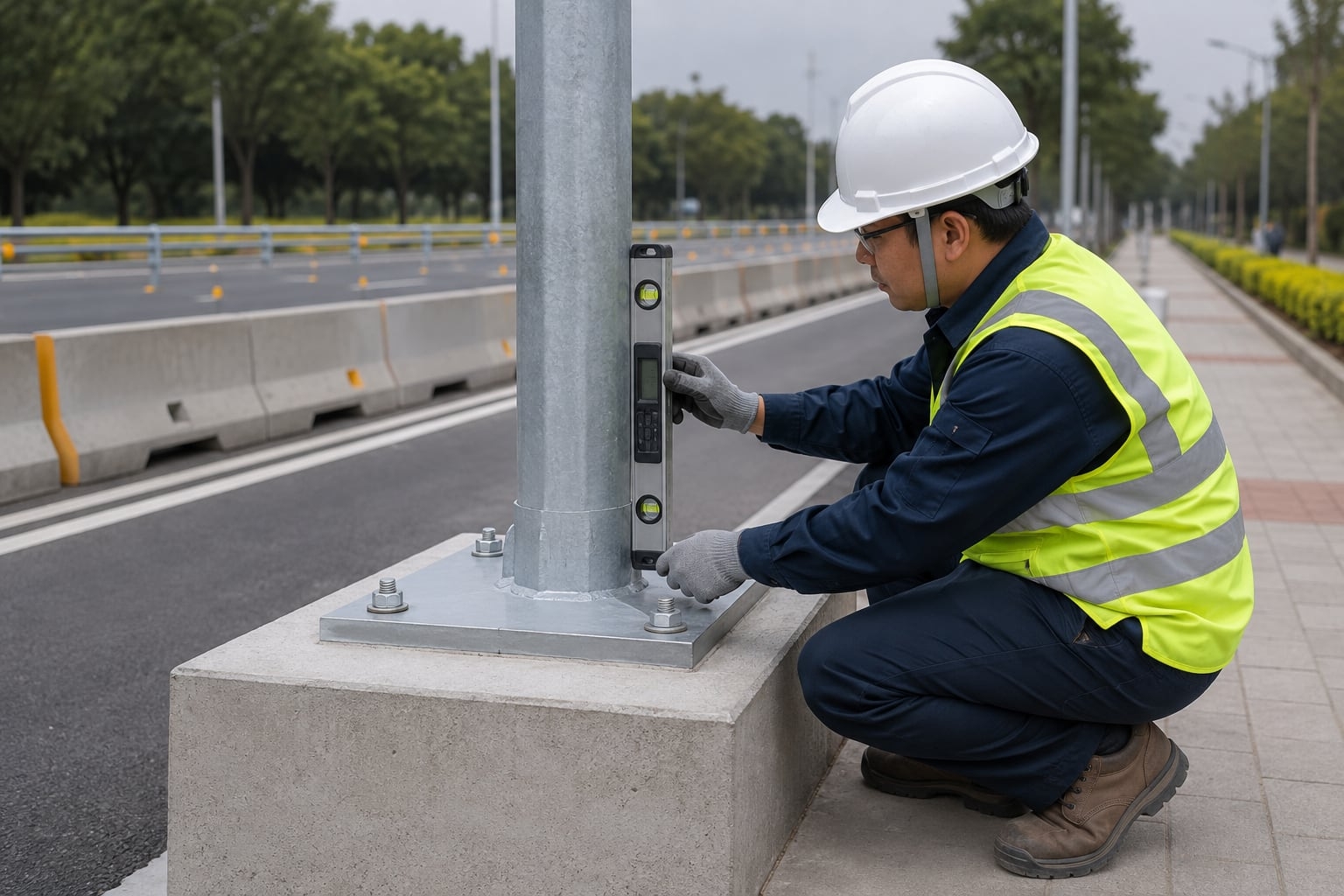
A revised plate or template must be checked against the actual foundation before release.
Update the pole schedule, production lot labels, packing list and document index together. At receiving, the site team should be able to tell which locations get the revised pole and which retain the previous approved type. Keep superseded drawings in the revision history but remove them from active fabrication instructions. At handover, tie the installed pole ID to its final approved drawing and inspection records; the asset register guide covers that owner-facing mapping.
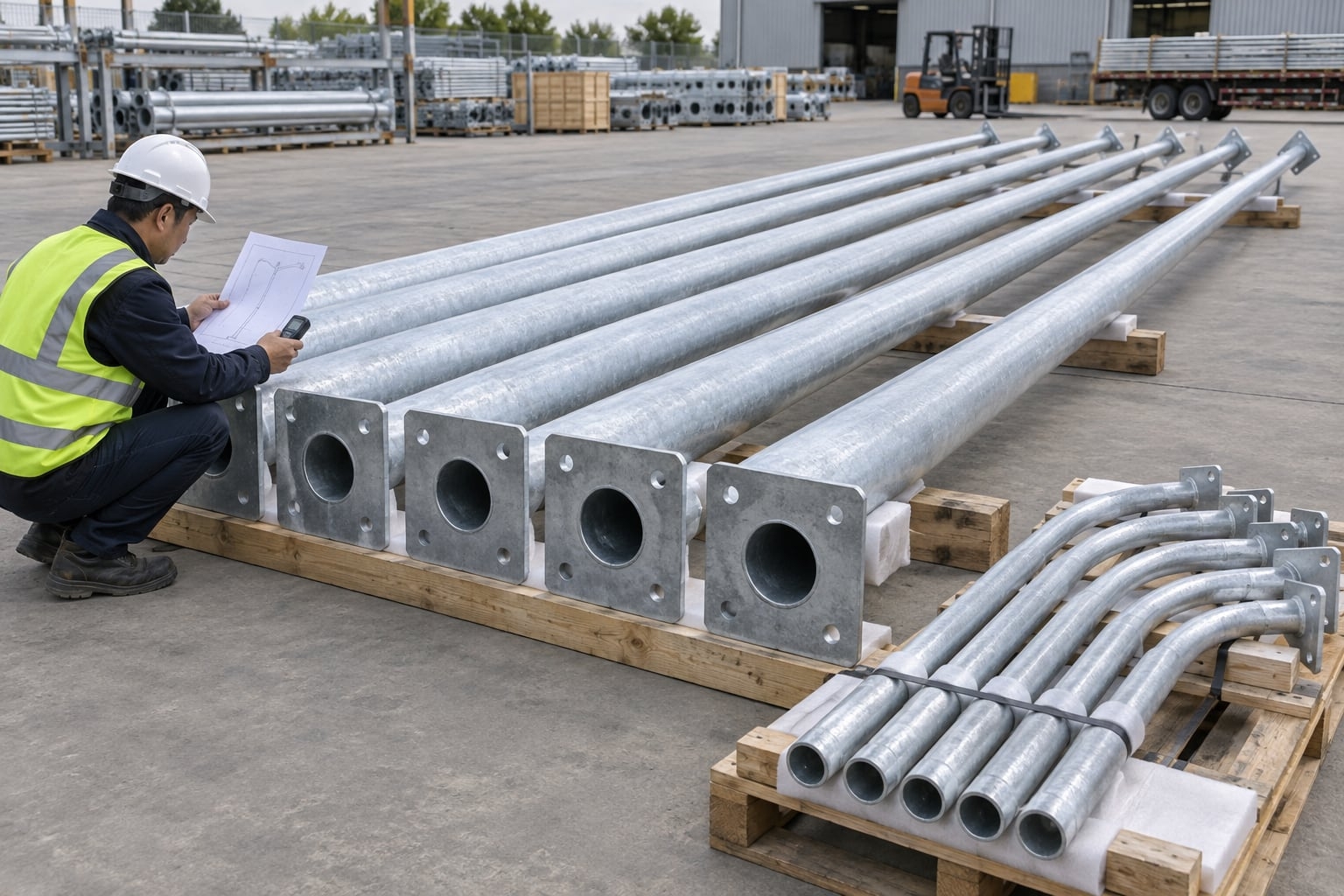
Dispatch marks and records should identify the revision actually manufactured.
Only after the responsible parties compare mounting, weight, projected area, optical position and cable requirements with the approved basis and document that the original drawing still applies.
Not necessarily. The hold should cover the affected types, locations and lots. Keep other lots moving only when their approved inputs are independent of the change.
Document the manufactured state and obtain an engineering and finish disposition before rework, acceptance or replacement. Do not assume an on-site alteration is acceptable.
For a change request to Jieyao Lighting: Send the original and proposed equipment data, affected location and pole IDs, drawing revisions, foundation/electrical interface changes, required approval authority and timing. Jieyao can then assess the manufacturing status and propose a documented disposition for the affected lot.
Contact Us
Get a custom lighting solution and quotation for your project. Outdoor lighting manufacturer in Yangzhou, ChinaAbout Jieyao LightingYangzhou Jieyao Lighting Equipment Co., Ltd. is an outdoor lighting manufacturer focused on solar street light systems and high mas... Do you have any questions or requests?
Email: jay@jieyaolighting.com

Click to Chat.
Im online now.