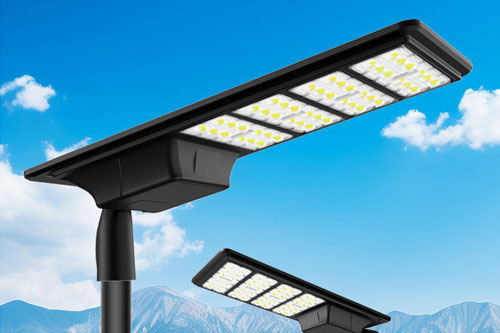


Panel dirt can reduce the energy available to a solar street light, but a dim or extinguished light is not proof that its photovoltaic module needs washing. Check the affected asset, visible panel condition, recent weather, operating schedule and safe access first. If the panel is reasonably clean or the fault persists after a controlled cleaning, investigate the battery, controller, wiring, shading and load schedule instead of repeating the cleaning task.
This guide is for operators planning a site-specific inspection and cleaning rule for integrated or split solar street lights. The panel material, mounting geometry, access method and manufacturer instructions govern the cleaning method. Electrical isolation, work-at-height control and traffic protection belong to the responsible site team.
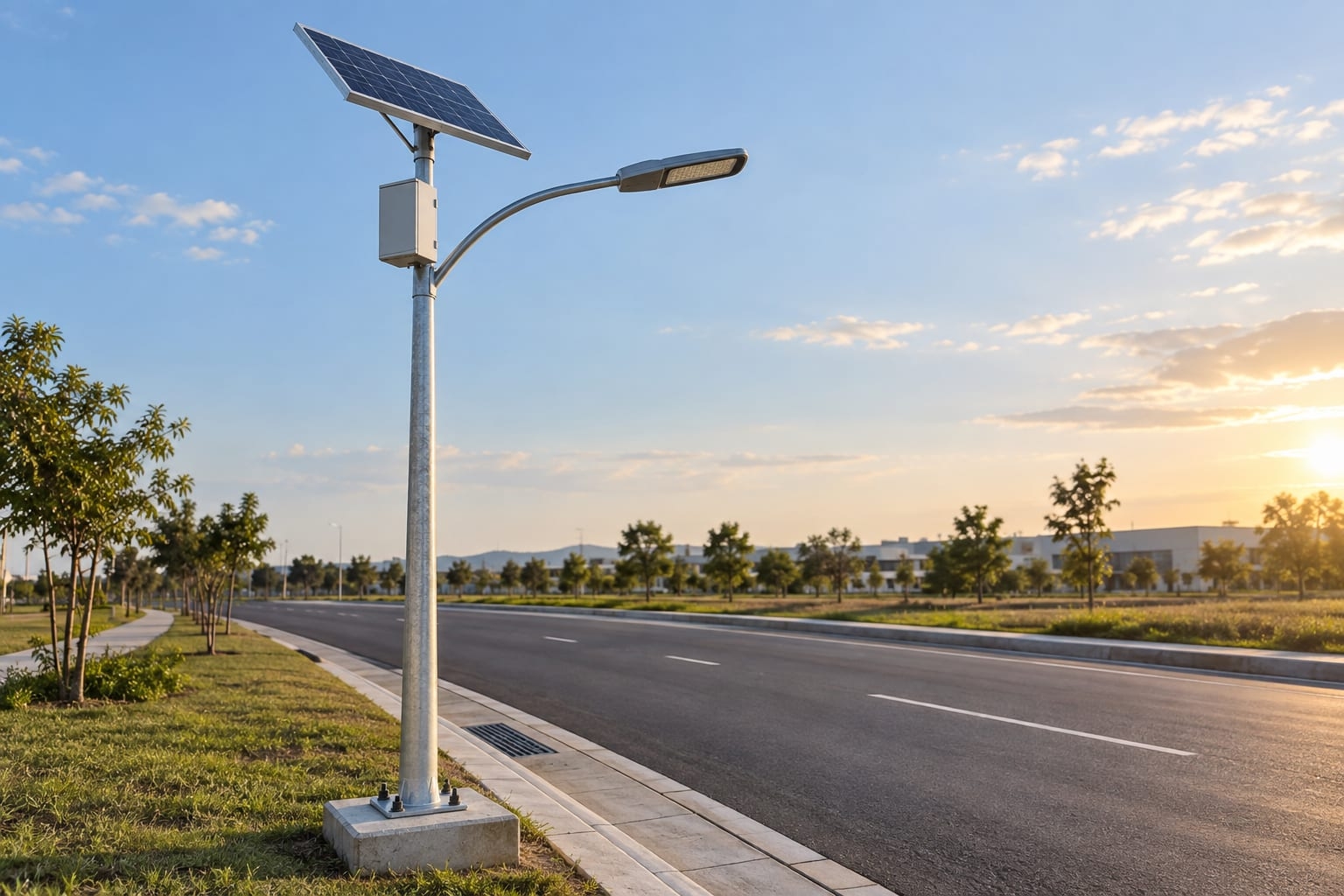
The panel position and access height matter when planning a safe condition check; visible operation at night is not a soiling diagnosis.
Record the pole or luminaire asset ID and compare it with nearby units operating on the same control schedule. A single failed unit beside healthy neighbors may indicate a component or connection problem; a row of similarly underperforming units after a dry, dusty period makes site exposure worth checking. Compare recent operating logs where available, not only one photograph taken at night.
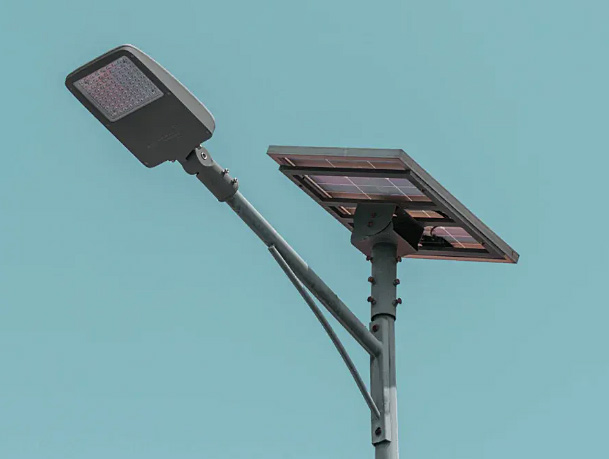
View the panel safely in daylight. Note dust, bird deposits, leaves, water marks, snow or new shading from vegetation and structures. A deposit on the frame is different from opaque material across active cells. Look also for cracked glass, delamination, damaged wiring or an insecure bracket; cleaning is not a repair for physical damage. Do not climb or open an energized unit solely to confirm a visual suspicion when an approved remote or ground-level inspection can answer it.
| Observation at the asset | Evidence to retain | First decision |
|---|---|---|
| Localized deposits on active panel area | Asset ID, dated photograph, recent weather and access condition | Check approved cleaning method and compare the unit after cleaning |
| New tree/building shade or changed panel orientation | Photos at relevant sun times, position and drawing/reference | Refer to site and system design review; washing does not remove shade |
| Panel looks clear but runtime has shortened | Controller or battery logs, lighting schedule and nearby-unit comparison | Diagnose energy storage, controls, wiring and load before cleaning again |
| Cracked glass, exposed cable or loose mount | Close-out photo from a safe position and equipment identification | Isolate/escalate under site procedure; do not treat as routine washing |
The table is a triage aid, not a universal fault diagnosis. A small panel or an atypical site may need a different observation method. The solar battery and panel calculation guide explains why an energy shortfall must be interpreted against the actual load and solar-resource assumptions.
Follow the photovoltaic module maker's approved instructions for water quality, tools, chemical compatibility and temperature conditions. Avoid abrasive pads, force on the glass or frame, and directing water toward unapproved openings. A hard-to-reach panel requires a planned access method; improvising from a ladder beside live traffic can create more risk than the soiling being addressed.
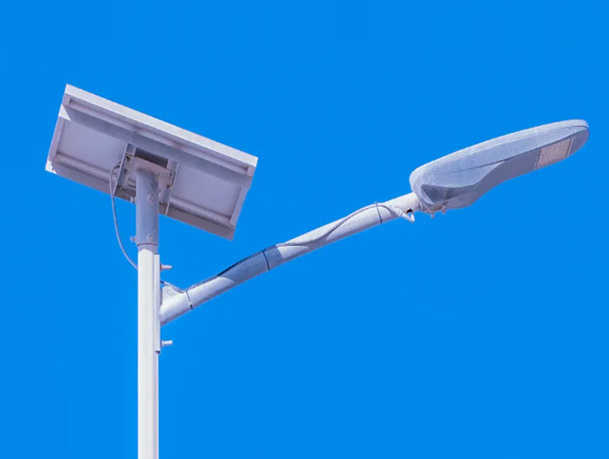
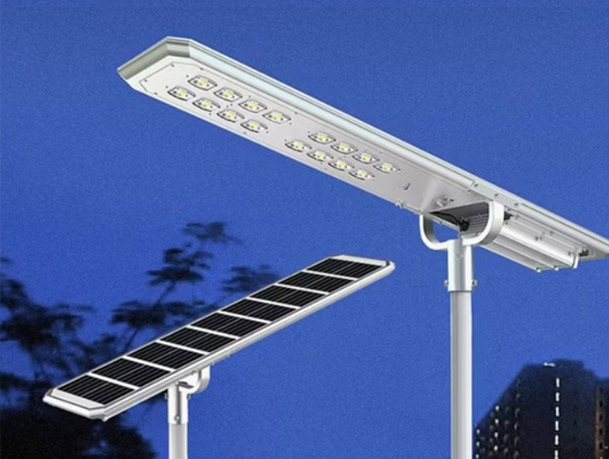
For an all-in-one luminaire, confirm whether the photovoltaic surface and lighting/electronics housing share seals or cable entries that must remain dry. For a split system, identify the separate panel, bracket and cable route before work begins. Neither architecture justifies opening a battery compartment as part of a routine panel wash. A crew should stop and escalate if the module is damaged, the mounting is loose, the approved cleaning instruction is unavailable or safe access cannot be arranged.
IEA PVPS describes soiling as location-dependent, influenced by climate and deposits. A fixed interval can be a reminder to inspect, but the cleaning decision should use site exposure and observed performance. Do not copy a yield-loss percentage from a utility-scale PV study into a street-light quotation or maintenance promise. The solar street light installation guide addresses the wider installation and routine-maintenance sequence.
Before-and-after photographs should show the same panel and asset ID. Record the method, water or material used, date, weather and any newly discovered defect. Where the controller exposes useful data, compare charge or runtime across an appropriate period, accounting for sunlight and lighting schedule; one cloudy afternoon is not a valid proof of improvement. If the light still fails to meet the project operating requirement, open a separate diagnosis rather than declaring the cleaning successful.
| Close-out item | Record or check | Why it matters |
|---|---|---|
| Asset and task identity | Pole/luminaire ID, location, crew, date and work order | Prevents a nearby light being mistaken for the treated unit |
| Before/after condition | Comparable photographs and noted deposits or damage | Shows whether material was removed and whether another defect remains |
| Method and access | Approved cleaning instruction, tools, isolation/access controls | Lets the owner review whether the work suited the supplied equipment |
| Follow-up operation | Available charge/runtime or fault record over a comparable interval | Distinguishes a cosmetic improvement from a restored operating result |
| Unresolved issue | New shade, damage, poor charging or control fault with owner | Keeps an energy problem from being closed as a cleaning job |
The 80W all-in-one solar street light illustrates an integrated architecture; a project's exact module and access instruction must be confirmed against the delivered model and revision, not inferred from that product-page example.
No. Soiling is one possible cause of reduced solar input. Check visible condition, shading, operating schedule and available controller/battery evidence before assigning the cause.
Set an inspection plan for the location, exposure and module instructions, then adjust it using observations and operating records. Do not treat one universal calendar interval as a performance guarantee.
Damage needs an equipment-specific safety and repair decision. Cleaning does not correct broken glass, compromised wiring or a loose mounting assembly.
Ask for the delivered module identification, approved cleaning instructions, access and isolation method, asset map, baseline control settings and a maintenance-record format. Those items let the operator inspect the actual system rather than guess from a generic brochure.
For a solar street-light procurement package, identify the site exposure and the owner's access and maintenance responsibilities alongside the lighting and energy requirements. Do not assume a panel-washing schedule alone will satisfy the project's autonomy target.
Contact Us
Get a custom lighting solution and quotation for your project. Outdoor lighting manufacturer in Yangzhou, ChinaAbout Jieyao LightingYangzhou Jieyao Lighting Equipment Co., Ltd. is an outdoor lighting manufacturer focused on solar street light systems and high mas... Do you have any questions or requests?
Email: jay@jieyaolighting.com

Click to Chat.
Im online now.