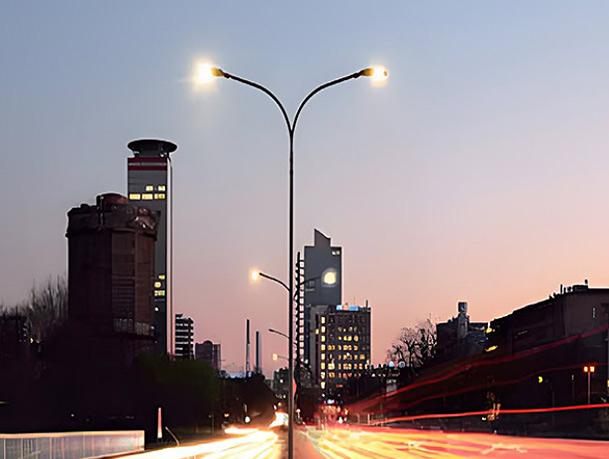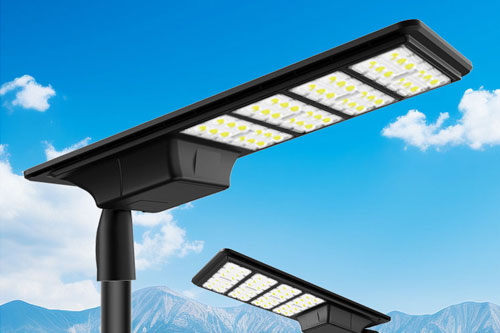


Smart streetlight poles typically have a design service life of 20 to 50 years. The primary materials used include steel, aluminum alloy, and concrete, paired with LED lighting sources. The service life of the equipment refers to the period during which the poles can operate reliably, ensuring long-term road safety while also facilitating municipal departments’ budget planning and equipment upgrade and renovation. Adequate and reliable lighting can reduce the incidence of traffic accidents and also serve as a deterrent to crime.
Key factors affecting the service life of streetlight poles:
Pole material type
Local environmental conditions
Routine maintenance operations
Construction and installation standards
When assessing the service life of streetlight poles, it is necessary to conduct a comprehensive evaluation that takes into account both the project’s specific requirements and the on-site environment.
Key Takeaways
Streetlight poles are typically designed to have a service life of 20 to 50 years, and the actual service life is directly determined by the pole material and routine maintenance. Conducting inspections and maintenance twice a year can help identify potential equipment issues early on and effectively extend the service life of the poles.
Material selection is crucial: In coastal areas, aluminum alloy should be prioritized due to its excellent rust and corrosion resistance, which reduces long-term operation and maintenance costs. Proper construction and installation are key to ensuring the stability and safety of the poles; strict adherence to standardized procedures is essential for safeguarding public safety and structural integrity.
The deployment of a smart monitoring system allows for the real-time collection of operational data on the poles, enabling maintenance personnel to carry out repairs and maintenance in a timely manner.
Service Life by Material
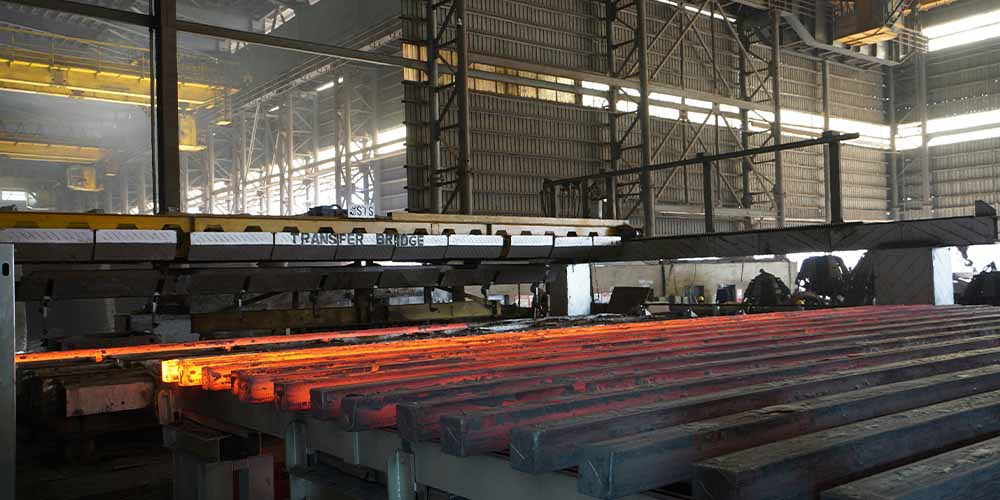
Aluminum
Aluminum alloy streetlight poles are designed to have a service life of 30 to 50 years. The pole surfaces are coated with a specialized protective coating that provides excellent rust resistance and shields the poles from corrosion caused by rain and humid air. If the protective coating is scratched or damaged, the pole will gradually corrode; therefore, regular inspections for surface damage are required. Once coating damage is detected, it should be promptly repaired by applying a touch-up coat. The industry generally employs highly durable protective coatings to extend the service life of the poles under various harsh climatic conditions.
Aspect | Description |
Corrosion Resistance | Aluminum poles do not rust, but they can corrode if the coating is damaged. |
Maintenance Requirements | Checking and fixing the coating helps the pole last longer. |
Material Choice | Special coatings and materials make the pole stronger against weather. |
A protective coating is key to extending the service life of aluminum alloy light poles.
The coating protects against corrosion caused by rain, salt, and polluted air.
Regular inspections of the coating’s integrity are necessary to ensure the structural strength of the poles.
Steel
Steel streetlight poles are designed to have a service life of approximately 20 to 30 years and are widely used in urban areas and various residential communities. While steel has high structural strength, it is prone to rust if not properly maintained and requires regular cleaning and visual inspections; maintenance frequency should be increased in areas with heavy rainfall or severe air pollution. In coastal regions, the presence of salt fog in the air can significantly accelerate the rate of steel corrosion.
Evidence | Description |
Environmental factors | Salt water, hot or cold weather, and strong winds can make steel poles wear out faster. |
Maintenance Needs | Heavy rain, floods, or very hot or cold weather mean you must check the poles more often. |
Corrosion Factors | Lots of pollution or salt in the air means you need strong protection against rust. |
Steel light poles are suitable for urban street lighting applications.
In polluted areas, the poles must be cleaned regularly to remove surface dust and corrosive chemicals.
Regular inspections and cleaning can effectively mitigate the risk of corrosion and ensure the structural safety of the poles.
Concrete
Concrete streetlight poles have an exceptionally long service life, with most products designed to last 50 years or more and featuring outstanding structural load-bearing strength. Their actual service life is influenced by maintenance practices and local climatic conditions; conducting inspections and cleaning twice a year can effectively prevent damage from weathering and maintain the structural integrity of the poles.
Under proper maintenance, the service life of concrete light poles ranges from 20 to 50 years. Regular inspections and cleaning ensure the safety of the poles and help prevent cracks; cleaning methods should be tailored to the material’s characteristics to minimize wear and tear on the poles.
Note: Concrete light poles should undergo at least two inspections per year to facilitate early detection of defects and extend the equipment’s service life.
Solar and LED
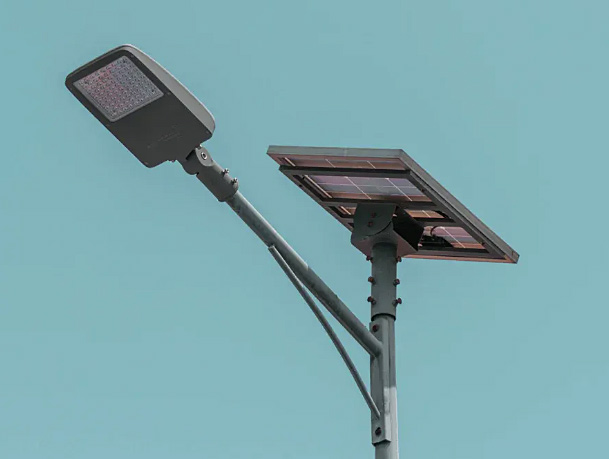
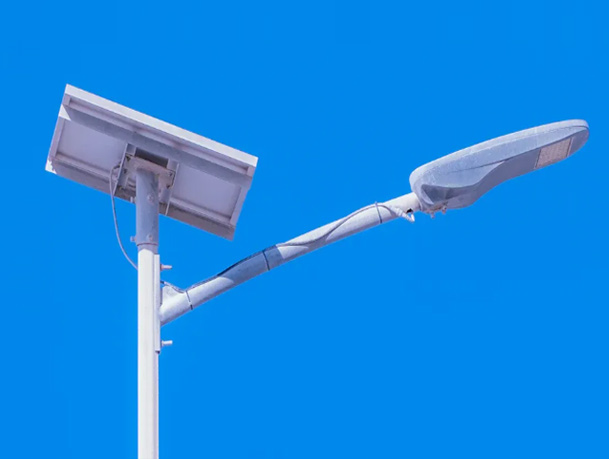
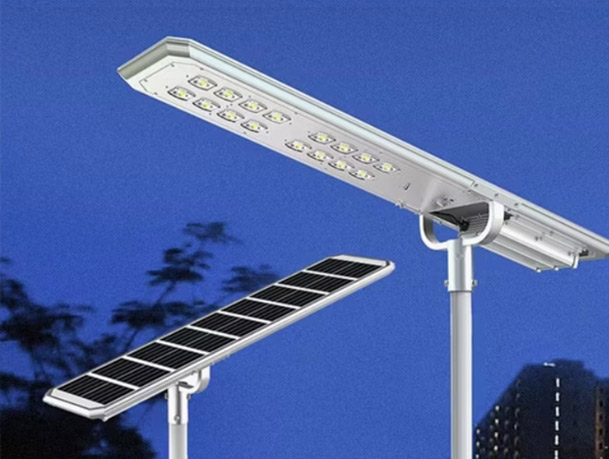
Solar-powered smart streetlight poles and LED light sources rely on new energy-saving technologies. The entire solar lighting system is designed for a service life of approximately 10 to 25 years; the accompanying photovoltaic modules have a lifespan of 25 to 30 years; and the energy storage batteries need to be replaced every 3 to 10 years. LED light sources have a service life of 15 to 25 years, which is far superior to that of traditional light sources.
The overall service life of solar streetlights is influenced by the quality of components and the level of operation, maintenance, and upkeep. The theoretical lifespan of LED light sources can reach up to 200,000 hours, maintaining stable illuminance over the long term and significantly reducing the frequency of lamp replacements. Reducing replacement frequency effectively lowers operational and maintenance costs while minimizing waste generated from discarded lighting fixtures.
Note: Integrated solar-LED lighting solutions can significantly reduce long-term maintenance costs and offer substantial environmental and ecological benefits.
Factors Affecting Longevity

Environment
The selection of streetlight pole locations is a key design consideration. Environmental factors such as rainfall, snow accumulation, road de-icing salt, and temperature fluctuations can all shorten the service life of the poles; areas with heavy rainfall, heavy snowfall, and high salt fog levels accelerate the rusting and corrosion of metal poles. In coastal areas, continuous exposure to salt-laden air causes particularly significant damage to metal poles. Even minor scratches and dents on the pole surface can create pathways for rainwater and impurities to penetrate the internal structure, which over time will weaken the structural integrity of the poles.
Streetlight poles are constantly exposed to various harsh conditions: intense sunlight, freezing temperatures, diurnal temperature fluctuations, heavy rain, and strong winds. These environmental loads reduce the poles’ operational stability, shorten their service life, and cause continuous stress damage to the pole body. Minor bumps, scratches, and dents, if not addressed promptly, can gradually develop into serious defects; Once the coating is damaged, water, dust, ice, and snow can penetrate, causing internal corrosion and a continuous decline in the pole’s load-bearing capacity. If corrosion is not addressed promptly, it can lead to pole instability, toppling, and functional failure, significantly reducing the safe service life.
The table below compares the resistance of poles made from various materials to different environmental conditions:
Material Type | Advantages | Disadvantages |
Aluminum | Lightweight, corrosion-resistant, aesthetic flexibility | Less strong, can get dents and scratches easily |
Steel | Strong, tough, good for bad weather | Needs coatings, costs more to take care of |
Fiberglass | Lightweight, corrosion-resistant, safe near electricity | Not as strong as steel |
Concrete | Very strong, stable | Heavy, hard to put in place |
Maintenance
Proper maintenance can effectively extend the service life of streetlight poles. Regular cleaning, damage inspections, and timely repairs can help avoid costly major repairs down the line. Annual inspections of streetlight poles should be conducted at least twice a year; in areas with heavy traffic and complex road conditions, the frequency of inspections should be increased as appropriate.
It is recommended to conduct 2 to 4 standardized maintenance operations annually to maintain the poles’ aesthetic integrity and structural safety, thereby extending the equipment’s service life. Through routine operation and maintenance, issues such as corrosion and cracking can be addressed in their early stages, preventing further deterioration of faults. This approach not only reduces operational and maintenance costs but also ensures public safety on the roads.
Installation
Standardized and proper installation can effectively extend the service life of streetlight poles. If construction procedures are omitted or operational errors occur, the poles are prone to damage or breakage, which significantly shortens their service life. To ensure construction quality, the following standardized construction procedures must be strictly followed:
Site Preparation: Select the most suitable installation location and clear all obstacles from the area;
Foundation Excavation: Excavate a foundation pit that is sufficiently deep and wide to provide a stable base for the pole;
Concrete Pouring: Pour the concrete foundation in accordance with specifications to form a reliable load-bearing support;
Pole Assembly: Assemble all components strictly in accordance with the manufacturer’s technical manual;
Pole Installation: Align the pole vertically and ensure it is securely embedded without any wobbling;
Electrical Wiring: Complete wiring connections in compliance with regulations and safety standards;
Finishing and Protection: Reapply protective coatings and complete all finishing and reinforcement work to enhance corrosion resistance.
Non-compliant operations during the installation phase can create long-term safety hazards. The following are common mistakes to avoid during construction:
Common Installation Error | Description |
Improper Foundation Depth | If the base is too shallow or not made well, the pole can move or fall over. |
Loose Anchor Bolts | If bolts are not tight or lined up, the pole can shake or break. |
Skipping Wind/Soil Calculations | If you do not check wind and soil, the pole can lean or fall in bad weather. |
Note: Strictly following the specifications for the installation and routine maintenance of streetlight poles can effectively extend the service life of the poles and ensure the continued safety of the community.
Replacement Signs
Damage Signs
During inspections, damage to streetlight poles can be identified by observing cracks, pole fractures, rust, and peeling or flaking paint; all of these characteristics indicate a decline in the structural strength of the pole. If any of these defects are found, the pole should be replaced as soon as possible. Cracks and fractures will continue to expand over time; areas of rust and peeling paint can create pathways for water infiltration, accelerating the internal corrosion process. Regular inspections to identify various potential hazards can ensure public safety in the community.
The table below summarizes the typical characteristics for identifying various types of damage:
Indicator | Description |
Cracks or fractures | Visible damage in the pole |
Rust, corrosion, or peeling paint | Deterioration of the pole’s surface |
Note: After severe weather such as heavy rain or strong winds, conduct a special inspection of the light poles. Identifying potential hazards in advance can help prevent major structural failures later on.
Instability
Streetlight poles must be vertical and securely anchored. If a pole is tilted, it indicates a safety defect in the base structure or the pole itself; loose or damaged hardware can also cause the pole to become unstable. A comprehensive inspection of bolts, nuts, and supporting brackets is required to ensure that all components are securely fastened. If the pole wobbles or shifts when gently pushed, immediate action must be taken, as an unstable pole can easily lead to safety incidents and, in severe cases, cause the pole to topple.
Inspection Points:
Check for tilting or leaning of the pole;
Inspect hardware connections for looseness or damage;
Apply external force to test for wobbling or displacement of the pole.
Indicator | Description |
Leaning or tilting poles | Indicates potential weakness in the pole |
Loose or damaged hardware | Compromises the safety and stability of the pole |
If an inspection determines that the pole poses a risk of instability, you should immediately contact professional operations and maintenance personnel to conduct a comprehensive safety inspection.
Electrical Issues
Electrical malfunctions pose significant safety hazards. Flickering lights, power outages, and exposed wires are typical signs of such malfunctions, often caused by aging or damaged internal wiring; rainwater seeping through gaps in the pole can easily cause short circuits. Do not touch exposed wires under any circumstances, and report any electrical abnormalities immediately.
Signs of Electrical Malfunctions:
Flickering lights, insufficient illumination
Streetlights that fail to turn on at all
Exposed wires, damaged insulation
Circuit failures can easily lead to electric shock or fires; promptly reporting potential hazards ensures public safety.
Extending Service Life
New Materials
The use of new composite materials can effectively enhance the durability of streetlight poles. Fiberglass composite poles, which use fiber-reinforced polymer (FRP) as their base material, address various shortcomings of traditional metal poles. Currently, fiberglass and carbon fiber-reinforced polymer poles are widely used in major cities. This material offers excellent mechanical strength and corrosion resistance far superior to that of steel and aluminum, and the market for composite poles is expanding rapidly.
Composite light poles are manufactured using a pultrusion process, resulting in a smooth, dense surface that blocks UV erosion; they offer outstanding weather resistance, are suitable for a wide range of harsh operating conditions, and require less maintenance and upkeep over time.
Although the initial procurement cost of these products is relatively high, they can significantly reduce maintenance and refurbishment expenses over their entire lifecycle, resulting in long-term cost savings.
Many municipal planning agencies prefer to use these composite materials to lower long-term maintenance costs and extend the service life of the poles; their adaptability is particularly notable in harsh environments such as those with high salinity, high humidity, and industrial pollution.
Coatings
Protective coatings provide additional protection for streetlight poles. A suitable coating system can block the causes of corrosion, prevent water accumulation from causing damage, and enhance the aesthetic appeal of the poles. The mainstream coating types available on the market are as follows:
Coating Type | Description | Benefits |
Hot-Dip Galvanizing | Steel poles dipped in zinc for full coverage. | Great at stopping corrosion. |
Powder Coating | Dry powder baked onto the pole for a tough finish. | Extra protection and looks nice. |
Anodizing | Makes a protective layer on aluminum poles. | More strength and stops corrosion. |
Nano-Coating | Thin, high-tech layer blocks water and dirt. | Best protection from weather. |
The protective coating should be selected based on the climatic conditions of the project area and the material of the light poles. A suitable coating system can effectively extend the service life of the poles and maintain their appearance over the long term.
Monitoring
The intelligent monitoring system enables early warning of potential hazards. Leveraging sensors and IoT technology, the system collects real-time data on the operational status of light poles and provides real-time information on the structural health of the poles, allowing operations and maintenance personnel to address minor faults before they escalate.
The smart control system dynamically adjusts light intensity based on time of day and weather conditions, thereby saving energy, reducing consumption, and extending the service life of the light sources. Nighttime dimming reduces electricity consumption and slows down the aging of light sources. Various sensors provide early fault warnings, enabling maintenance teams to plan maintenance operations in advance.
Equipped with the smart monitoring system, streetlight poles can maintain safe operation and significantly extend their overall service life.
Cost vs. Longevity
Initial Cost
When purchasing streetlight poles, it is essential to comprehensively consider the total cost, as there are significant differences in unit prices among poles made of different materials: aluminum alloy poles have a higher purchase cost than steel or concrete poles; smart streetlight poles that integrate photovoltaic and LED systems have the highest overall cost due to the specialized technology they incorporate. Do not simply pursue the lowest price when making a purchase, as the quality of the material directly determines the service life of the poles; selecting reputable, high-quality manufacturers ensures the reliability of the poles’ operation.
Cost and Lifespan Comparison of Various Pole Types:
Aluminum alloy poles: Higher purchase cost, but longer service life;
Steel poles: Moderate price, but relatively short overall service life;
Concrete poles: Low purchase cost, but the longest service life;
Integrated solar-LED poles: Highest cost, but equipped with a full range of smart features.
The appropriate type of streetlight pole should be selected based on the project site’s climate, road traffic volume, and security standards.
Maintenance Cost
During the selection phase, it is also necessary to calculate the full life-cycle operation and maintenance costs of the poles, as maintenance costs vary significantly depending on the material. Steel light poles require frequent cleaning and specialized inspections for corrosion; aluminum alloy light poles require focused inspections for damage to the protective coating; concrete light poles require regular inspections for surface cracks; and integrated solar LED light poles require regular replacement of energy storage batteries and cleaning of photovoltaic panels.
Material | Typical Maintenance Needs | Cost Over Time |
Aluminum | Check coating, fix small problems | Low to moderate |
Steel | Remove rust, repaint | Moderate to high |
Concrete | Look for cracks, clean | Low |
Solar/LED | Change batteries, clean panels | Moderate |
Regular operation, maintenance, and upkeep can effectively reduce overall costs while extending the service life of streetlight poles.
Replacement Planning
A plan for the renewal and replacement of streetlight poles should be developed in advance, with replacement frequency increased for poles with shorter service lives. It is recommended that steel poles be replaced entirely every 20 to 30 years; aluminum alloy and concrete poles, which offer excellent durability, can have their replacement cycles significantly extended. For integrated solar-powered LED streetlights, only the energy storage batteries and light source components need to be replaced periodically, while the pole itself can remain in service for a long time.
Operations and Maintenance Requirements:
Establish a routine streetlight pole inspection schedule;
Maintain individual records for each pole, documenting its years in service;
Complete replacements before poles reach their safety thresholds.
Planning replacement strategies in advance can reduce overall operations and maintenance costs and ensure road safety; when selecting pole types, prioritize options that balance project budgets with material durability.
The design service life of mainstream streetlight poles on the market ranges from 20 to 50 years. Routine inspection and maintenance can identify structural hazards early on and maintain the safety and stability of the poles. Regular daily cleaning and defect inspections can effectively extend their service life; when selecting materials, it is necessary to balance initial procurement costs with the full life cycle duration.
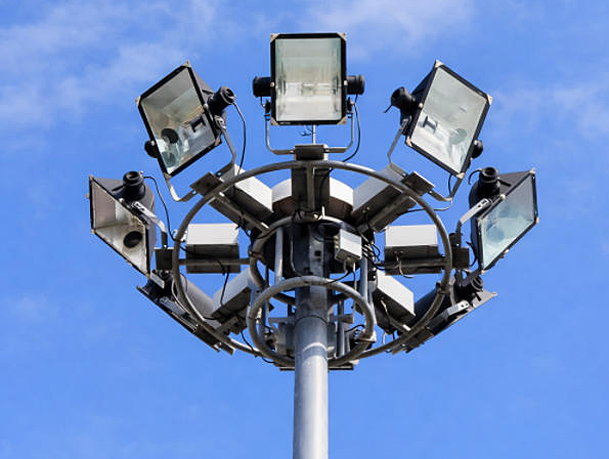
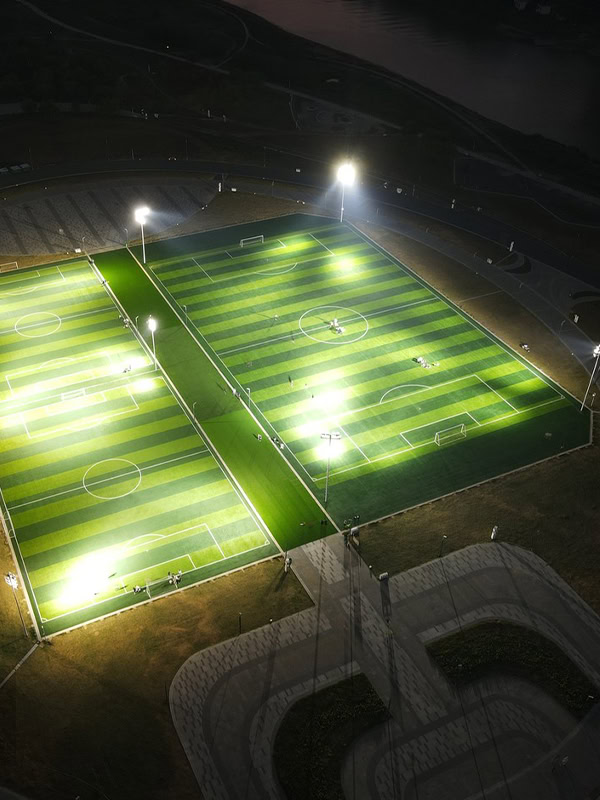
Hot-dip galvanized steel and hot-dip galvanized aluminum offer excellent weather resistance and corrosion protection, making them suitable for various harsh climatic conditions; highly durable materials can significantly reduce long-term operation and maintenance costs. For municipal high-mast lights installed along expressways and in urban public areas, high-strength structural materials must be selected.
Tip: Maintain a service life ledger for the poles and plan replacement cycles before safety hazards arise to fully utilize the poles’ entire service life.
FAQ
How often should you inspect street lamp poles?
Annual inspections of streetlight poles must be conducted at least twice a year. Regular inspections can help identify various types of structural damage early on, ensuring road safety while effectively reducing future maintenance costs.
What is the best material for street lamp poles in coastal areas?
Aluminum alloy is well-suited for coastal environments and offers excellent resistance to salt fog corrosion; fiberglass composite light poles are also available to further enhance corrosion protection.
Can you repair a cracked street lamp pole?
Minor cracks can be repaired using patching material and a protective coating; if the cracks are large, the pole should be replaced immediately. Prompt repair of defects can prevent major structural hazards and ensure the safe operation of the light poles.
How do you know when to replace a street lamp pole?
Inspections should focus on identifying three types of potential hazards: corrosion, pole tilt, and electrical malfunctions. If cracks or loose fasteners are discovered, pole replacement should be scheduled as soon as possible, with safety management taking priority.
Do solar street lamp poles need special care?
Solar streetlight poles require regular replacement of storage batteries and cleaning of photovoltaic panels; it is recommended to conduct a specialized inspection of the entire system every few months. Keeping the photovoltaic panels clean maximizes the efficiency of solar energy absorption and conversion.
Contact Us
Get a custom lighting solution and quotation for your project. Outdoor lighting manufacturer in Yangzhou, ChinaAbout Jieyao LightingYangzhou Jieyao Lighting Equipment Co., Ltd. is an outdoor lighting manufacturer focused on solar street light systems and high mas... Do you have any questions or requests?
Email: jay@jieyaolighting.com

Click to Chat.
Im online now.