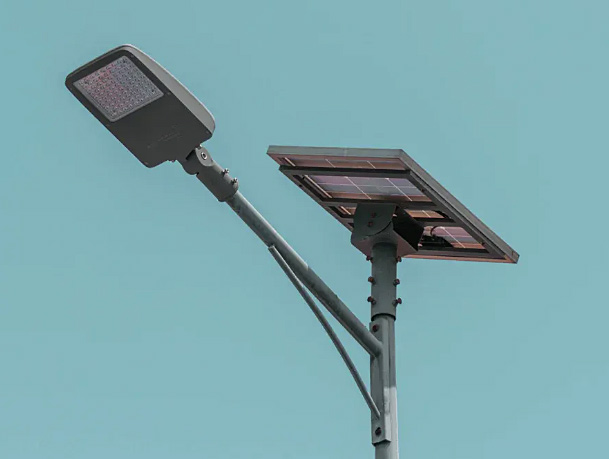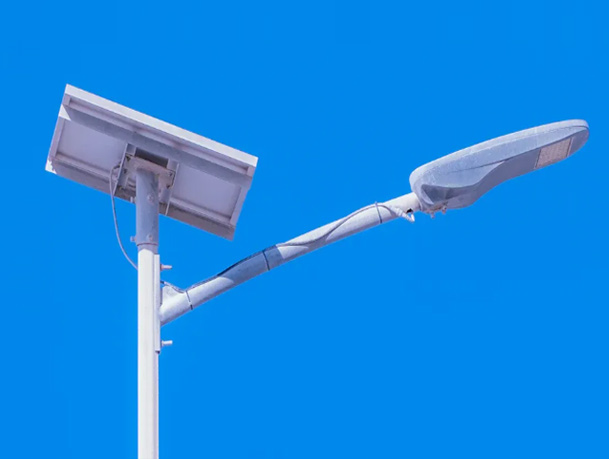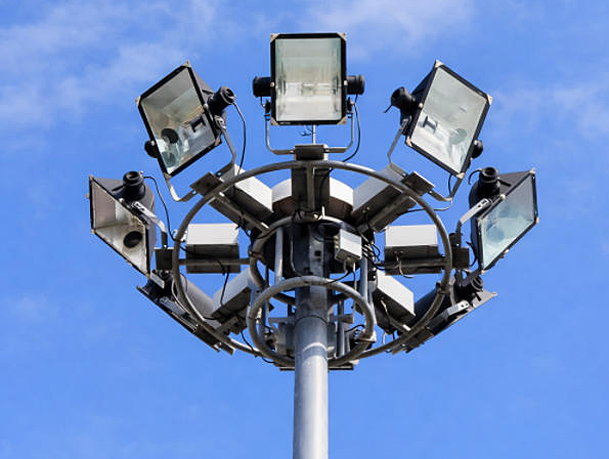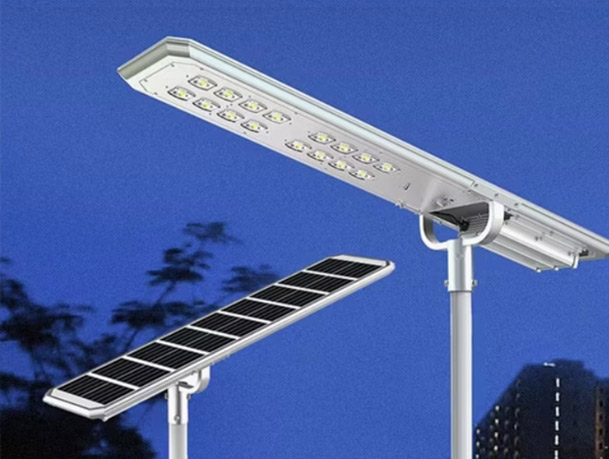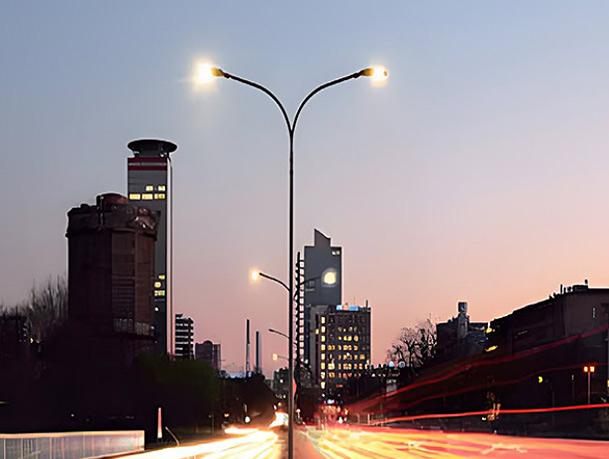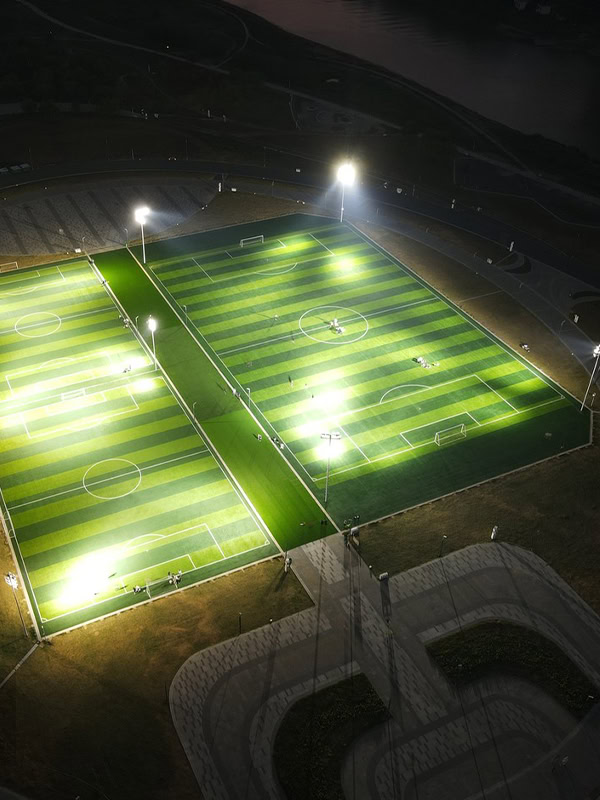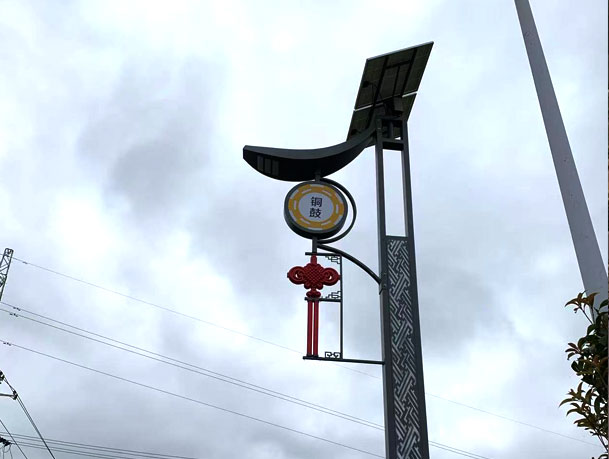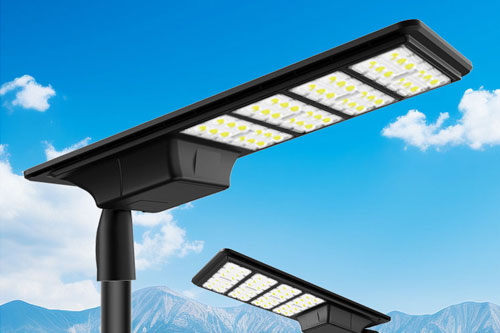


Smart streetlight poles integrate a variety of practical functions, supporting intelligent dimming and adaptive lighting, traffic flow monitoring, security surveillance, wireless network coverage, environmental data collection, public information dissemination, and the integrated installation of electric vehicle charging stations. These functions work in tandem to enhance the quality of life for citizens and ensure efficient and orderly urban management. The table below summarizes the mainstream standard features found in modern urban settings:
Function | Description |
Energy Efficienc | LED lights use less energy and save money. |
Dynamic Brightness Control | Sensors change brightness when people are nearby. |
Safety Enhancement | Brighter lights help keep city areas safer for you. |
Remote Monitoring | IoT lets managers watch and control lights from far away. |
Environmental Impact Reduction | Smart systems lower carbon emissions and help the city stay green. |
Key Takeaways

Smart streetlight poles are equipped with adaptive lighting systems to achieve energy savings and reduce consumption. The devices feature motion sensors that automatically increase brightness when pedestrians approach and lower it during periods of inactivity, significantly reducing electricity consumption.
The poles integrate video surveillance and emergency detection modules to enhance regional security capabilities, effectively reduce the incidence of criminal cases, and support rapid response to emergencies.
With Wi-Fi and 5G coverage, the system provides network support for various smart city devices, comprehensively improving the operational efficiency of public services.
Built-in environmental and traffic sensors collect real-time data on air quality, traffic flow, and road conditions, providing a data foundation for urban planning and public safety management.
The poles feature integrated electric vehicle charging ports, enhancing the city’s new energy charging infrastructure and making it more convenient for residents to use electric vehicles in their daily lives.
Smart Lighting and Energy Efficiency
Smart streetlight poles are transforming the way urban public lighting operates. Equipped with various types of sensors and intelligent control systems, these poles can dynamically and continuously adjust lighting brightness: they automatically increase illuminance when pedestrians or vehicles approach and reduce output power when no traffic is detected, thereby enabling on-demand lighting and reducing energy waste.
Municipal operations and maintenance personnel can use a remote management platform to centrally manage all streetlights across multiple regions. The system integrates multi-dimensional data—including time of day, weather conditions, and pedestrian and vehicle traffic—to automatically determine the optimal lighting level. The light poles incorporate sensing devices such as cameras and weather data collection terminals to support precise, intelligent control. At night, lighting levels are dynamically adjusted based on real-time sensor data; in the event of a system failure, the lights automatically switch to a standard constant-on mode to ensure uninterrupted basic lighting. The implementation of this adaptive smart lighting solution can deliver significant energy-saving benefits for cities.
Notable Energy-Saving Project Examples:
After deploying interconnected smart streetlights in Los Angeles, USA, the city achieved a comprehensive energy savings rate of 63%;
Amsterdam, the Netherlands, achieved 65% energy savings through smart dimming control.
Adaptive Lighting Control
Automated scheduling systems can further unlock energy-saving potential. Smart streetlight poles leverage IoT and AI technologies to dynamically adjust lighting brightness in real time; traditional lighting systems rely solely on fixed, preset schedules, offering limited flexibility.
Key Energy-Saving Advantages:
Smart light poles are equipped with LED light sources, reducing energy consumption by 50% to 70% compared to traditional lighting fixtures;
Motion sensors combined with intelligent brightness control eliminate unnecessary energy waste at the source;
Deploying smart lighting systems in factories and office spaces can reduce overall energy consumption by up to 25%;
When applied in school settings, electricity savings can reach 45%.
Maintenance Optimization
Smart streetlight poles significantly streamline lighting operation and maintenance processes, effectively reducing long-term maintenance costs.
The system is equipped with a predictive maintenance mechanism that can identify potential issues before equipment failures occur; it automatically sends alerts when abnormalities such as lamp outages are detected, allowing maintenance personnel to quickly respond and resolve the issue.
Using the remote management platform, staff can perform online inspections of light fixture status, adjust parameters, and even control light intensity. By analyzing equipment operation data collected through the platform, they can precisely pinpoint the location of malfunctions, eliminating the need for manual inspection of each pole.
Maintenance work can be planned and coordinated in advance, significantly reducing the number of emergency repair tasks while extending the overall service life of the light fixtures.
Note: Smart streetlight poles help cities achieve dual savings in both financial resources and energy, while ensuring adequate street lighting and safe travel at all times.
Safety and Surveillance Features
Video Monitoring and CCTV
Smart streetlight poles are equipped with integrated video surveillance cameras to support urban security management. The cameras provide round-the-clock monitoring of public areas, serving as a deterrent and helping to reduce the incidence of criminal incidents. Municipal officials can view live footage in real time and respond quickly to emergencies.
The table below outlines the security benefits of video surveillance in various scenarios:
Application Area | Outcome | Description |
Los Angeles | Fewer problems in the city | Many smart streetlights with cameras and sensors make people safer. |
College Campuses | Students are safer | Cameras watch important spots, so help comes quickly if needed. |
Transportation Hubs | Less damage and better crowd control | Bright lights and cameras at stations and airports help keep people safe and help in emergencies. |
Retail Centers | Shoppers feel safer | Cameras and lights are set up for stores to protect people. |
Residential Neighborhoods | Neighbors feel safer | Cameras and lights in quiet areas help stop crime and keep people safe. |
Note: Improving street lighting and implementing complementary video surveillance can effectively deter various types of public safety incidents. Empirical data shows that in New York City, upgrading to high-intensity lighting led to a 36% decrease in nighttime criminal incidents; in Philadelphia, after completing the citywide conversion to LED streetlights, overall street crime fell by 15%, and gun-related violent crimes decreased by 21%.
Emergency Detection (Gunshot, Accidents)
Smart streetlight poles are equipped with various types of sensors that can quickly detect all kinds of sudden emergencies. The devices can accurately detect gunshots, traffic accidents, and various safety hazards, providing comprehensive protection for personal safety in public areas.
The following is a list of the most common emergency sensing devices on the market:
Sensor Type | Function |
Emergency vehicle approach sensor | Warns when emergency vehicles are coming |
Child presence sensor | Notices when children are nearby |
Wrong-way travel sensor | Spots cars going the wrong way |
Motion sensors | Watches for strange things happening |
Cameras | Sees odd actions in public places |
Emergency call buttons | Lets people ask for help right away |
Once the sensor detects a hazardous situation, it will immediately send an alert to the municipal operations and maintenance management platform, shortening emergency response times and ensuring that rescue teams can quickly arrive on-site to handle the situation.
Traffic and Incident Alerts
Smart streetlight poles enable traffic management and comprehensively enhance road safety.
The devices integrate multi-dimensional sensing units—including radar, cameras, and infrared sensors—to collect real-time data on traffic flow and road conditions; leveraging 5G mobile communications and fiber-optic transmission networks, they synchronize monitoring data to the city’s control center.
Municipal managers use this real-time data to dynamically adjust traffic signal timing and efficiently handle unexpected road incidents; the poles support coordinated traffic signal changes and automatically push emergency alerts to police and emergency response platforms.
Road safety levels have been significantly improved, and the efficiency of emergency response has been greatly optimized. In areas where smart light poles have been deployed, residents feel much safer when walking or driving, which effectively increases the public’s willingness to go outdoors and contributes to the development of livable communities.
Connectivity and Data Collection
Wi-Fi and 5G Integration
Smart streetlight poles expand public network coverage. Equipped with Wi-Fi and 5G communication modules, they provide stable connectivity for mobile phones and various smart devices, helping cities build a high-density, citywide communication network infrastructure.
The Wireless PSC smart streetlight system integrates 5G and LTE small cell technology. On one hand, it provides citizens with high-speed public Wi-Fi; on the other, it offers low-latency, high-bandwidth communication support for various smart city applications, ensuring stable system operation.
The Crenshaw Community Connectivity Pilot Project in Los Angeles has been successfully implemented. By leveraging streetlight infrastructure to deploy public Wi-Fi citywide, it has achieved universal network coverage throughout the area. Currently, cities across the country are upgrading from 3G to 5G networks. Smart light poles simultaneously collect real-time data on roads, the environment, and pedestrian traffic, enabling more precise management of urban public services. Citizens can enjoy broader and faster public wireless networks, while cities use massive amounts of sensor data to optimize public services and enhance the convenience of residents’ daily lives.
IoT and Network Hub Functions
Smart streetlight poles serve as the core hub of a smart city’s integrated network, combining multiple management, control, and sensing capabilities: they coordinate public lighting control, provide public Wi-Fi coverage, and establish a citywide security monitoring system; using built-in sensors, they continuously collect air quality and traffic flow data, while also supporting urban services such as emergency alerts and smart parking.
The table below details each function and the logic behind their coordinated operation with the urban management system:
Application | Interaction with City Systems |
Street Lighting Control System | Manages lighting based on real-time data |
WIFI Antenna Base Station | Provides connectivity for urban users |
Video Monitoring Management | Enhances public safety through surveillance |
Emergency Call System | Facilitates quick response in emergencies |
Parking Space Management | Optimizes urban parking resources |
Smart light poles are a core component of smart city infrastructure. They enable intelligent lighting control and comprehensive environmental data collection, helping city administrators quickly address various urban management issues.
Data for City Planning
Smart streetlight poles continuously collect multidimensional monitoring data to provide data support for refined urban planning. The monitoring scope includes indicators such as air quality, traffic flow, and meteorological conditions. The devices use wireless communication protocols such as IEEE ZigBee to exchange and share data, and can detect the movement of pedestrians and vehicles to automatically adjust lighting brightness. Urban management departments use the vast amounts of collected data to optimize road safety management, reduce lighting energy consumption, and improve traffic efficiency. The table below details the various application benefits derived from data collection:
Impact | Measurement |
Improved traffic flow | Travel times get over 10% faster |
Enhanced public safety | Crime can drop by 21% |
Energy savings | Fuel savings and lower pollution |
Faster emergency response | Help can arrive 20-35% faster |
With the help of smart streetlight poles, cities can upgrade road safety, effectively manage pollutants, and speed up emergency response, thereby supporting scientific urban planning and governance and comprehensively improving the convenience of residents’ daily lives.
Environmental and Weather Monitoring
Air Quality Sensors
Cities have installed air quality sensors inside smart streetlight poles to monitor air quality in real time. This eliminates the need to install additional equipment on the streets, keeping them tidier and saving a significant amount on construction costs.
The new sensors are compact, operate independently, and are more affordable than older models. They upload data continuously and can detect a variety of air pollutants. London has already installed tens of thousands of them, enabling real-time monitoring across all districts. Residents can check detailed air quality information near their homes, track changes in pollution levels, and understand the health benefits of the city’s environmental measures.
The sensors are integrated into the streetlights, taking up no extra space.
Air pollution is monitored simultaneously at multiple locations.
Real-time data makes it easy to understand the air quality right outside your door.
Weather and Flood Detection
Smart streetlight poles help fortify public safety defenses during extreme rainstorms. The poles are equipped with multi-parameter meteorological sensors that measure temperature, humidity, and rainfall; the collected data is synchronized in real time to the urban management platform, enabling administrators to quickly deploy response plans in the event of weather-related emergencies and enhance public safety during heavy rains and flooding. Miami has already deployed smart light poles equipped with flood monitoring sensors to enable early prediction of flood risks; early warning alerts guide residents to evacuate promptly while helping emergency response teams accurately reach affected areas to provide assistance.
Core Value:
Sensors monitor meteorological conditions and flood risks in real time;
Monitoring data supports the efficient coordination of emergency response teams and municipal personnel;
Severe weather alerts are pushed directly to residents.
Noise Monitoring
Smart streetlight poles are equipped with noise monitoring sensors that continuously collect urban acoustic environment data and synchronize it with urban planning departments, providing a data foundation for urban development and the optimization of transportation networks. Planning and management officials use this monitoring data to refine regulatory guidelines and implement noise reduction measures, effectively reducing noise pollution in the area and creating a quiet, livable urban environment that promotes residents’ physical and mental well-being.
Feature | How It Helps With Noise |
Noise sensors | Gather real-time noise data |
Data use | Tells planners and people about noise |
Rule changes | Helps make choices to lower noise |
Healthier cities | Makes life better for everyone |
Note: The widespread deployment of smart streetlight poles can deliver multiple benefits, including improved air quality, enhanced road safety, and better noise control in communities, thereby creating a clean, safe, and quiet urban living environment.
Public Services and Urban Enhancement with Smart Street Lamp Poles
Digital Information Displays
Smart streetlight poles can integrate digital information screens of various sizes to display city news, weather forecasts, and emergency alerts to the public. The screens come in two styles: single-sided and double-sided; the double-sided screens expand the visible coverage area. Some models are equipped with touchscreen interaction capabilities, allowing citizens to access electronic maps and navigation routes. There are also solar-powered screen models that operate energy-efficiently using solar power; displays equipped with IoT modules can refresh real-time data on air quality and traffic conditions. The following lists the mainstream screen types available on the market:
Type | Description |
Single-Sided Screens | Shows content on one side, good for narrow streets. |
Double-Sided Screens | Visible from both directions, reaches more people. |
Curved LED Screens | Looks modern and fits city design. |
Interactive Screens | Lets you touch for maps or surveys. |
Solar-Powered Screens | Uses solar panels for power, works off-grid. |
IoT-Enabled Screens | Shares live updates like air quality and traffic. |
Note: Pole-mounted digital information displays meet the needs of pedestrians and drivers to quickly access various types of important information while on the go.
EV Charging Stations
Smart streetlight poles can be integrated with electric vehicle charging terminals, enabling on-the-go charging at the curb without the need to visit dedicated charging stations. For the many residents who cannot install charging equipment at home, pole-mounted charging stations significantly lower the barrier to using new energy vehicles. Relevant research data indicates that integrated streetlight charging stations offer lower construction costs and higher charging efficiency compared to traditional standalone charging stations. See the table below for a detailed comparison of the specific benefits.
Evidence Description | Impact on EV Adoption |
Smart street lamp poles provide accessible and visible charging options, encouraging consistent use. | Positive impact on EV adoption rates due to increased convenience. |
Retrofitting streetlights for EV charging is cost-effective and equitable, aiding urban residents without home charging. | Facilitates EV adoption among renters and multifamily dwellers. |
Streetlight charging stations are more cost- and time-effective compared to traditional stations. | Enhances accessibility and convenience, promoting EV usage. |
Expand the number of vehicle charging stations to significantly increase the coverage of charging infrastructure;
Leverage existing streetlight poles through integrated retrofitting to reuse infrastructure, effectively reducing urban construction costs;
Charging terminals can be powered by clean energy, promoting low-carbon and eco-friendly practices and contributing to environmental protection.
Durable and Modern Design
Smart streetlight poles feature a sturdy structure and an aesthetically pleasing design. The contractor uses high-strength profiles such as stainless steel and aluminum alloy, which are rust- and corrosion-resistant and can withstand long-term exposure to sun and rain; the protective casing ensures the poles remain intact and retain their brand-new appearance over time.
The integrated, multi-functional design significantly reduces the number of street poles and overhead cables, creating a clean and modern urban landscape. The overall design complements a wide range of urban architecture and streetscapes.
Key Advantages:
Aesthetic style that complements urban architecture and neighborhood environments;
Outer protective structure that withstands various types of severe weather;
Integrated, multi-functional design that reduces the clutter of roadside infrastructure;
High-strength materials extend equipment lifespan and reduce maintenance frequency;
The minimalist, modern design enhances the city’s overall aesthetic appeal.
Note: Smart streetlight poles combine aesthetic appeal with high performance, offering both practical value and landscape enhancement.
Smart streetlight poles deliver diverse, comprehensive benefits to cities: optimizing lighting quality, enhancing street security, and shortening emergency response times; providing public Wi-Fi access and real-time updates on various urban data; while simultaneously improving air quality and reducing local noise pollution.
City operations data from multiple locations show: overall energy consumption has decreased by 40%, and the incidence of nighttime road accidents has dropped significantly; after implementing a smart operation and maintenance system, the number of fault repair tickets has decreased by 30%; combined with LED lighting and solar power solutions, these poles effectively reduce operation and maintenance costs and cut carbon emissions.
The widespread adoption of smart streetlight poles will help build a new type of city that is safe, smart, and low-carbon.
FAQ
What makes smart street lamp poles different from regular streetlights?
Smart streetlight poles integrate various sensors and video cameras, enabling interconnectivity via wireless networks. They support dynamic, on-demand adjustment of lighting brightness, provide real-time monitoring data across the entire area, and offer value-added services such as public Wi-Fi and electric vehicle charging. Traditional streetlights, by contrast, serve only the single function of basic road lighting.
Can smart street lamp poles help reduce city costs?
Yes, smart light poles can effectively reduce urban operations and maintenance expenses. By leveraging two key features—automatic lighting control and remote online monitoring—they achieve reductions in both energy consumption and maintenance costs. Field tests in multiple locations have shown that the overall cost of lighting can be reduced by 30% to 60%.
Are smart street lamp poles safe for your privacy?
The city features comprehensive infrastructure and a high-standard data security system that ensures the confidentiality of all collected data. The data collected by the system is primarily used for public safety management and urban planning and construction. Residents may contact municipal authorities to inquire about the specific rules governing the use of this data and the standards for its storage and management.
How do smart street lamp poles support electric vehicles?
Smart streetlight poles are equipped with integrated electric vehicle charging stations, enabling convenient roadside charging and effectively lowering the barriers for urban residents to purchase and use new energy vehicles.
Do smart street lamp poles work during power outages?
Most smart light poles are equipped with backup batteries or photovoltaic solar panels. In the event of a disruption to the municipal power supply, the poles can continue to provide lighting and alert notifications, ensuring public safety during emergencies such as heavy rain or power outages.
Contact Us
Get a custom lighting solution and quotation for your project. Outdoor lighting manufacturer in Yangzhou, ChinaAbout Jieyao LightingYangzhou Jieyao Lighting Equipment Co., Ltd. is an outdoor lighting manufacturer focused on solar street light systems and high mas... Do you have any questions or requests?
Email: jay@jieyaolighting.com

Click to Chat.
Im online now.