English
 Español
 Bahasa Indonesia

- Product details
-
TWO ROAD-LIGHTING HEADS · ONE COORDINATED ORDER
Double-arm solar street lights for two lighting areas
Jieyao supplies project-configured solar street lighting with single- or double-arm arrangements. A double-arm order brings two LED luminaires, their supports and the agreed solar power equipment together on one pole. It suits layouts where two lighting directions can share a mounting position, such as a central median, a road beside a pedestrian route or a circulation lane beside a parking area.
Select the two lighting tasks first. The quotation then needs to identify the luminaire pair, their operating schedule, photovoltaic equipment, storage, controller arrangement and pole connections. Two lamps on a drawing do not establish the battery capacity, the panel size or the hours of light available at your site.
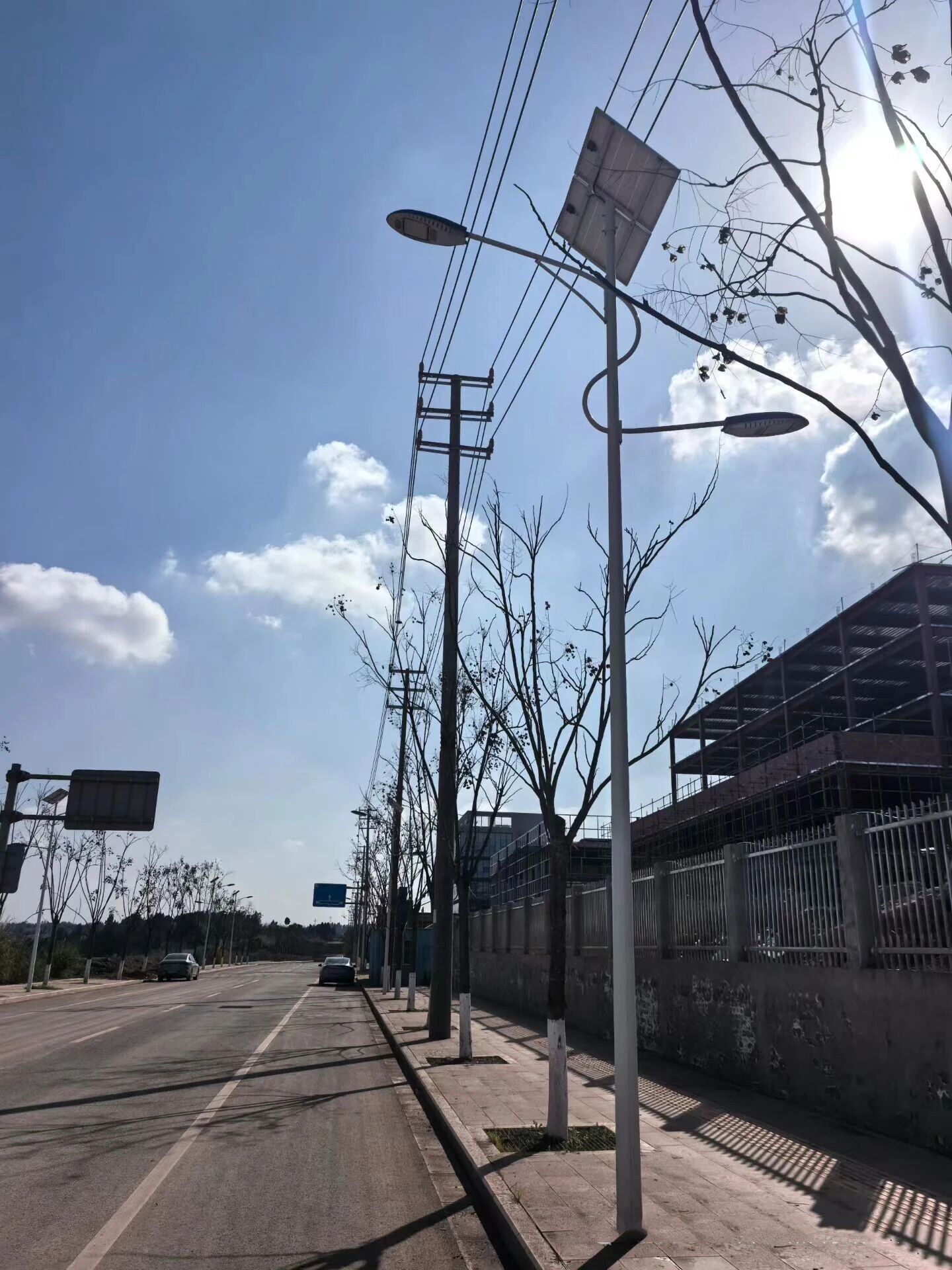
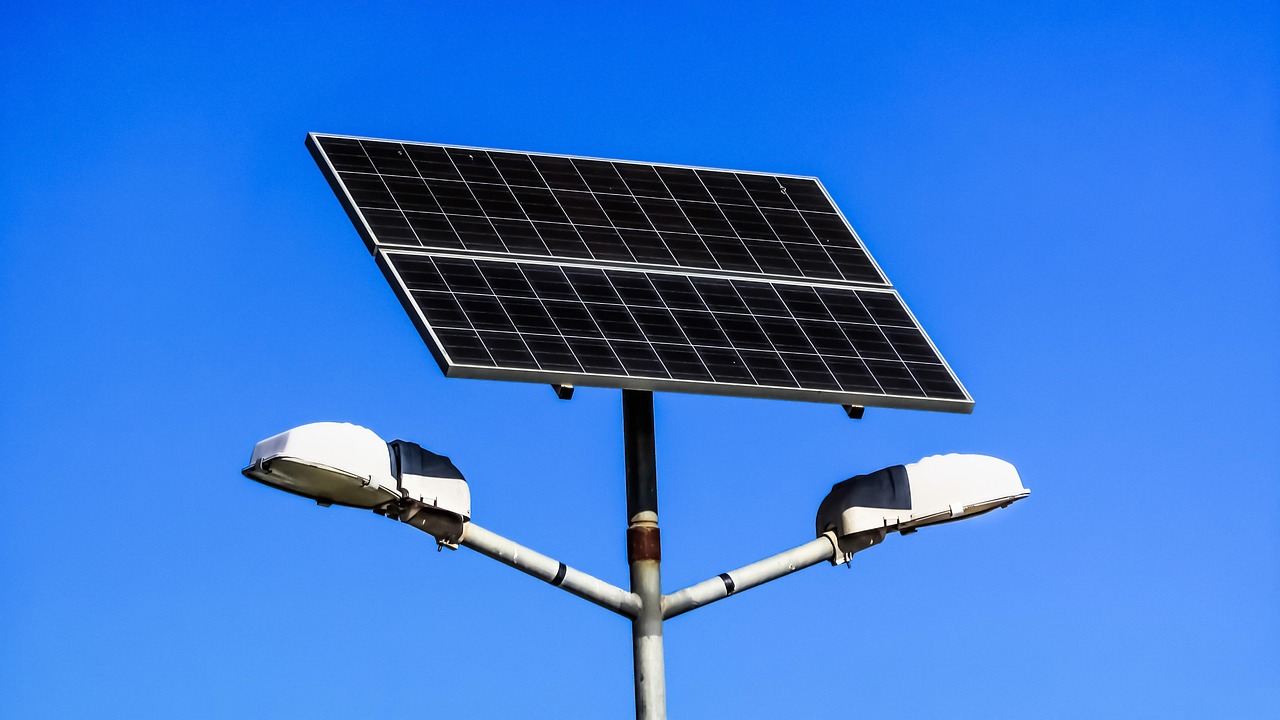
Double-arm split-solar configuration: two lighting heads share a pole beneath a separate PV module. The equipment and mounting arrangement for your order are listed in the quotation.
Choose the layoutWhat is suppliedThe luminaire pairSolar equipmentPole and bracketsProduction and deliveryQuotation inputsQuestionsChoose the layout around the two areas you need to light
Opposite road-facing arms
For a central mounting position serving traffic areas on both sides, start with an opposite-arm arrangement. Show both carriageways, the median and the proposed pole position on the plan. The two heads may look symmetrical, but their optics and aiming still need to suit the widths, setbacks and occupied areas on each side.
Road and adjacent pedestrian route
A road-facing head and a head serving an adjacent path can have different lighting duties. Record the path width, distance from the shaft and relationship to nearby homes. The second arm should put the smaller-area light where it is useful, rather than simply repeating the road-lighting head and its operating schedule.
Circulation lane and parking area
One head can serve a vehicle route while the other serves the adjoining parking or access area. Check obstructions from vehicles, trees and signs. An asymmetric arrangement may be more useful than equal arms when the pole sits at the edge of one area. Send a marked plan so the arm direction is clear before the steelwork is detailed.
Two directions at a local access point
At an entrance or junction, show the intended direction of each head and the areas where light should be limited. A double-arm pole cannot replace a complete lighting layout: a single well-placed light, two separate poles or a different optic can be a better fit where the routes diverge.
These are layout choices for an enquiry, rather than a promise that one twin-head configuration fits every road. For steelwork alone, use the existing single- and double-arm street light pole page. This page concerns the coordinated solar-powered two-luminaire order.
Agree the supplied package before comparing prices
The order can include the two luminaires, solar generation and storage equipment, controllers, pole, arms and component brackets. Each included item should appear in the quotation and configuration schedule. Foundations, site installation, freight and local commissioning are separate responsibilities unless the offer expressly includes them. A pole-only price and a complete solar system price describe different purchases.
Two LED luminaires
Head A and Head B, selected optical distribution, actual operating power, mount and dimming schedule.
Different lighting duties can require different heads or settings.
Photovoltaic equipment
Module identity, quantity, rated output, dimensions and mounting arrangement.
The selected modules must fit both the electrical design and the available bracket space.
Battery and enclosure
Pack identity, rated voltage and energy, quantity, location and compatible enclosure.
A quoted ampere-hour value without voltage does not describe stored energy.
Controls and wiring
Controller identity, number of controlled outputs, settings and labelled connections for both heads.
Two visible lamps do not reveal the number of controllers or whether the loads are managed separately.
Pole, arms and brackets
Shaft geometry, arm directions, mounting interfaces, panel and battery supports, base and agreed finish.
The selected equipment adds weight, projected area and connection requirements.
Accessories and documents
Listed cables, connectors, fasteners, anchor supply, drawings and agreed inspection or operating documents.
Clear inclusions avoid incompatible parts and unexpected site purchases.
The wattage, battery capacity and pole height follow the selected configuration. If a tender already names components, include its complete schedule so proposed substitutions can be reviewed together.
Specify each luminaire as a working part of the pair
Equal heads when the two tasks are similar
A matching pair can simplify spares and make sense for similar lighting duties on opposite sides. Confirm that the two luminaires actually share the same model, optics, bracket and settings. Similar housings can contain different LED boards or drivers, so the order should identify the supplied configuration rather than rely on appearance.
Different heads when the lighting duties differ
A main road and a short footpath rarely have identical geometry. List each head separately where the intended output, distribution or schedule differs. This gives the lighting designer and the supplier a common description of the two loads, and helps the installer connect the correct branch to the intended side.
Mounting direction and access
Identify Head A and Head B on the drawing and on the packing list. Show the arm outreach, luminaire insertion or attachment interface and cable exit. Leave access for the connector and the selected fixing arrangement; a head that fits the tube externally may still conflict with its cable or mounting hardware.
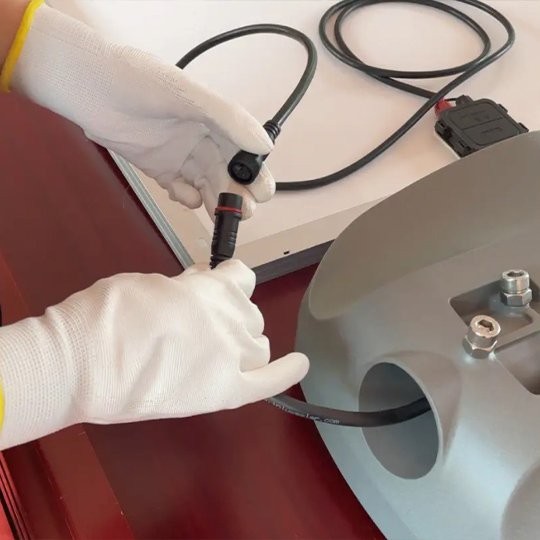
Connection detail reference: connector fit and cable clearance need to suit the selected luminaire and mounting interface.For a wider choice of component layouts, compare project-configured split solar street lighting. Keep the dual-head selection here tied to the two actual lighting areas, rather than buying a nominally larger system without checking the distribution.
Match the solar equipment to both lighting schedules
The electrical design starts with both luminaires and their nightly operating profiles. Record when each head runs, its power at each programmed level and whether a sensor changes that profile. The system must be assessed using the combined demand and the site’s solar conditions. A second arm does not provide a second energy source.
Panel position
Show the intended module location and the space available above or alongside the arms. The panel direction is a solar-generation decision; the heads face the areas being lit. Coordinate the two requirements so the luminaire, arm or surrounding objects do not create an avoidable shadow on the module.
Storage and controls
Name the selected battery pack and controller arrangement in the offer. Shared storage and separate branches are design choices, not details that can be read from a product photo. The pack voltage, controller limits and luminaire input requirements need to agree before the equipment is assembled.
For the detailed comparison of shared and separate storage, read one battery system or two for double-arm solar lights. The product quotation should state the selected arrangement, rather than leaving that choice to the installer.
Specify the location, expected night schedule and required performance during low-sun periods. Any backup-duration statement needs the agreed load profile, available usable energy and operating conditions. A generic “several rainy nights” label is not a substitute for that assessment. The battery capacity guide explains why voltage and usable energy belong alongside ampere-hours.
The pole supports more than two light heads
The steel assembly carries the luminaires, arms and the agreed panel and storage attachments. A large module can be significant to the wind-loading review even where its mass is modest. Moving the battery or changing the panel bracket can also change the local connections and maintenance access. Keep the equipment dimensions and positions with the pole drawing.
Structural detail What to resolve before production Arm arrangement Directions, outreach, connection to the shaft, luminaire interface and cable route for each side. Panel support Module dimensions and fixing points, orientation, tilt arrangement and clearance from the luminaires and shaft. Battery location Selected enclosure and connection, door access, service space and the path for its cables. Base and foundation interface Base-plate geometry, anchor layout, cable entry and project foundation responsibilities. Surface treatment Agreed galvanizing and any additional coating, with connection and fit details considered. Use the project’s site conditions and adopted design requirements when the shaft and connections are reviewed. The structural review determines the shaft, connections and foundation requirements for the selected equipment and site. If anchors are included, list the matched anchor bolts and foundation cage as part of the order instead of selecting them only by pole height.
A drawing revision should identify the actual supplied equipment. If the luminaire model, module size or battery location changes after the steelwork is approved, check the affected interfaces before releasing the revised parts.
Keep the approved configuration together through production and delivery
Jieyao coordinates solar lighting components, poles and accessories for project orders, with the agreed configuration checks and batch-delivery documents. For a double-arm order, turn that scope into an identifiable configuration: two head references, the energy equipment, the steelwork revision and the agreed operating settings. The useful handover is a set of matched parts and records, not a collection of generic certificates.
Before fabrication and assembly
Confirm the lighting and component schedule, arm drawing, panel support, battery location and base interface. State the agreed inspection scope. Where a sample is part of the order, identify what it is intended to confirm: fit, finish, settings or another specified feature. An approved appearance sample does not establish every electrical or structural performance requirement.
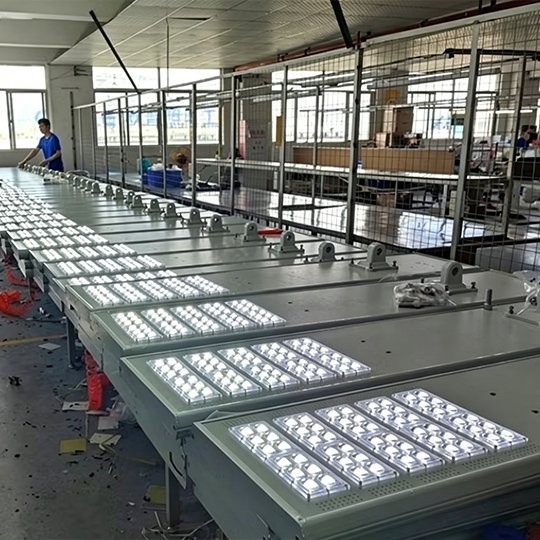
LED-head assembly reference. The two heads ordered for a pole must be identified and checked against their own configuration schedule.Checks against the order
The inspection plan should identify the dimensions and connections to be checked, the specified finish and the selected electrical functions. For the dual-head assembly, include correct branch identification and operation of both heads under the agreed settings. Record the component identities so the result can be related to the actual supplied configuration.
Packing for the installation sequence
Mark paired heads and their mounting sides where they differ. Protect luminaire lenses, panel surfaces, connectors and coated steel connections during handling. List the arms, brackets, cables and fasteners with the relevant pole or system mark. Battery packing, transport documentation and shipping mode need to suit the selected pack and the agreed route.
The quotation should state which drawings, connection instructions, controller settings and inspection records accompany delivery. Lead time, spare-parts scope and warranty terms belong to the written offer for that order.
Send a plan and a two-head schedule for a useful quotation
Site and lighting information
Location, road and path widths, median or setback, proposed pole positions, quantity and the area served by each head. Include the nightly operating schedule, any dimming preference and the required design basis.
Equipment and supply information
Preferred or specified luminaires, module and battery requirements, pole and arm drawings if available, finish, anchor scope, destination and required documents. Mark items supplied by the purchaser or installer so they are not assumed to be in Jieyao’s package.
If there is an existing foundation, include its as-built dimensions and condition information. If you are replacing an existing solar light, identify the parts to be retained and the parts to be replaced. Retaining a pole does not automatically establish that it can carry a different panel or a second arm.
Questions about ordering double-arm solar street lights
Does double-arm mean two complete independent solar systems?
No. It describes the two-arm lighting arrangement. The number of modules, battery packs and controllers depends on the selected system. The quotation should identify those items and show how both luminaires are connected.
Can the two sides use different luminaires?
They can be specified as different lighting duties for review. List the model, optics, mount and operating schedule for each side. Electrical compatibility, the energy design and the steel connections must match the pair that is actually ordered.
Are the pole and foundation anchors included?
They are included only where listed in the offer. A complete system quotation should identify the pole, arms and component supports, and state whether anchors, foundations and installation are included or allocated elsewhere.
How many hours will both lights operate?
That depends on the selected luminaires, programmed power levels, battery, photovoltaic equipment and site conditions. Agree the operating profile and required low-sun performance before choosing the energy configuration.
What should I send first?
A marked layout, the quantity, the lighting task on each side and the required nightly schedule are useful starting points. Add any specified equipment, pole or foundation drawings, destination and required inspection documents.
Tell us what the installation needs to do
Send the layout and identify the area served by each head. We can review the luminaire pair, solar equipment and pole arrangement together, with the included parts and installation responsibilities stated in the offer.
Request a matched configuration ↗ -
-