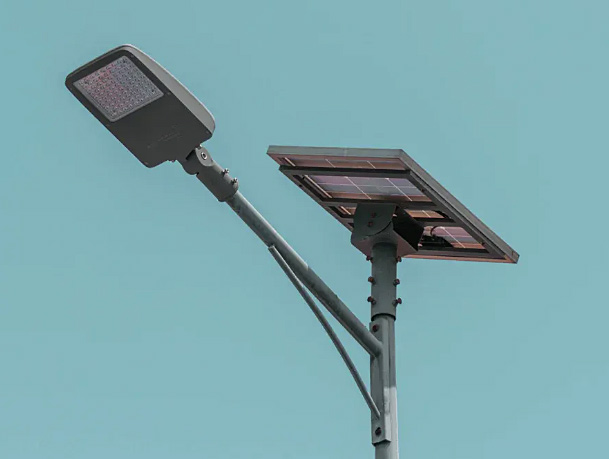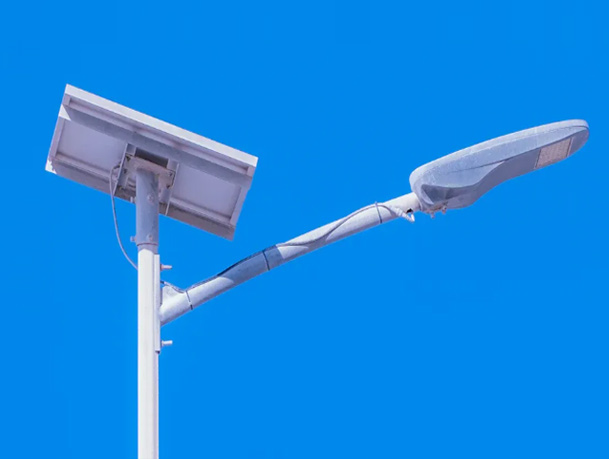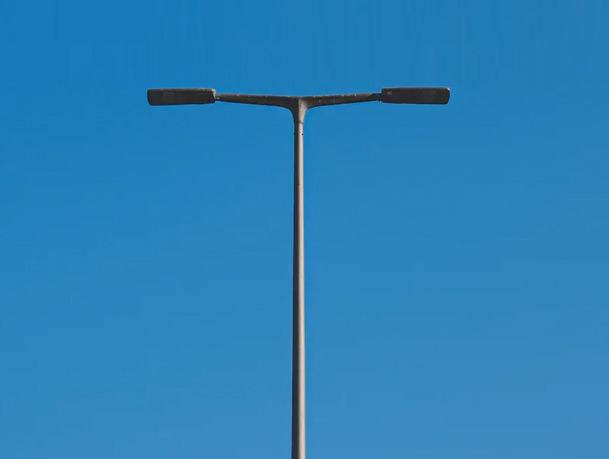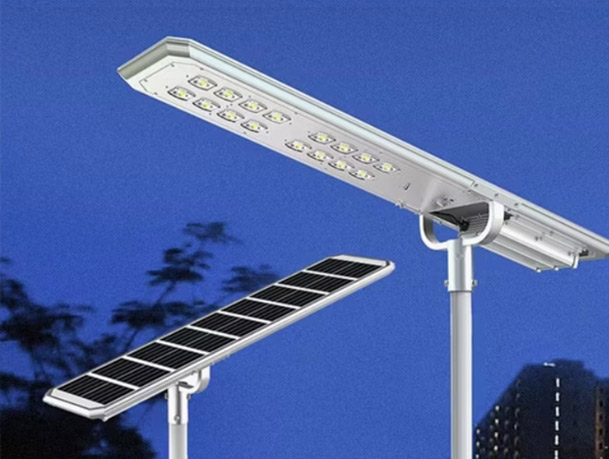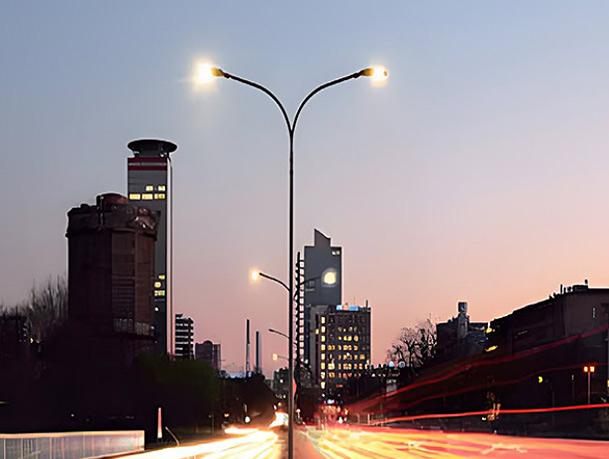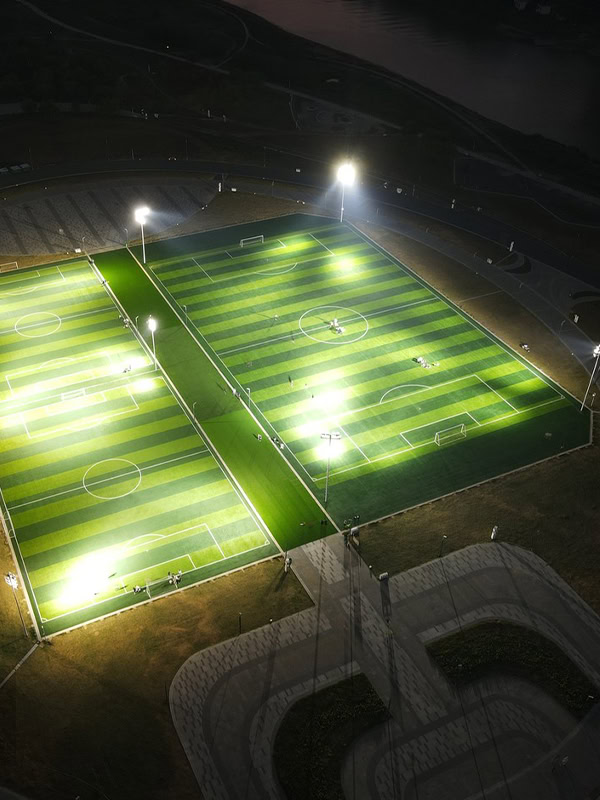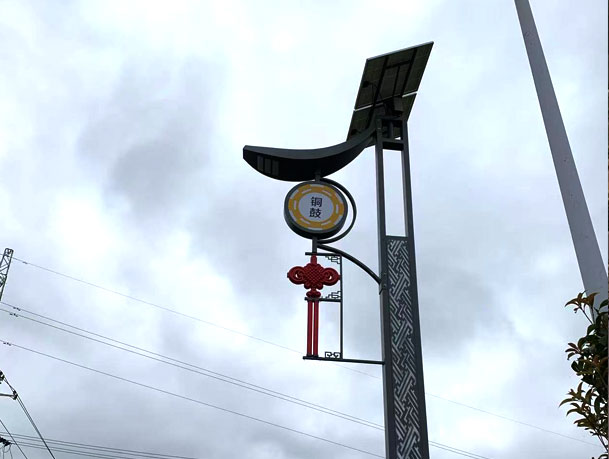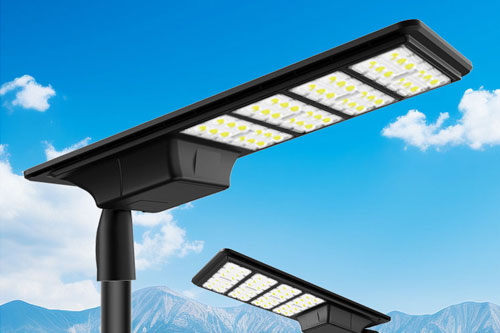


Integrated solar street lights are gradually replacing traditional LED grid-connected street lights, offering multiple advantages such as low operating and maintenance costs, excellent lighting performance, environmental friendliness, and stable operation. During the selection process, key factors such as installation costs, power consumption, maintenance intervals, lighting effectiveness, and environmental impact must be comprehensively evaluated.
Under the traditional streetlight model, cities and businesses must bear significant expenses related to road excavation and wiring, monthly electricity bills, frequent lamp replacements, and routine inspections. Integrated solar streetlights effectively address these cost challenges, providing a more economical and practical solution for lighting projects.
Key Takeaways
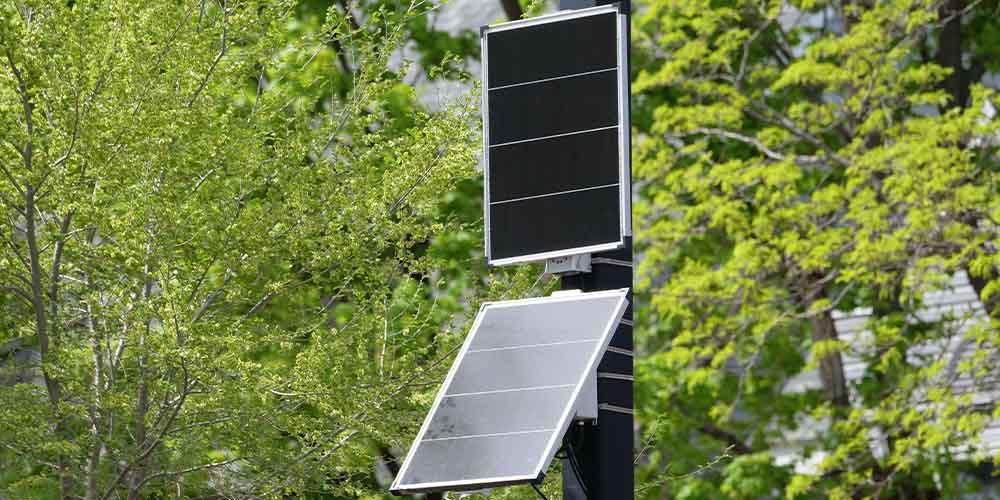
Integrated solar street lights offer long-term cost-saving advantages. Since they do not require trenching or the laying of power lines, they eliminate associated construction costs; they operate independently off-grid and do not rely on the municipal power grid, ensuring normal lighting even during power outages or emergencies.
These lights require minimal maintenance, with annual operational and maintenance costs far lower than those of traditional grid-connected streetlights. Additionally, solar lighting reduces carbon emissions and alleviates environmental impact, making it an excellent solution for cities committed to sustainable development.
Integrated solar streetlights are easy to install and require a short installation period, allowing for rapid deployment in various locations and effectively improving nighttime traffic safety and accessibility in the area.
Cost Savings with Integrated Solar Street Lights
Lower Installation and Operation Costs
At first glance, based on the initial purchase price, integrated solar street lights appear to require a higher upfront investment: the purchase price for a single solar street light is approximately $3,000, while a traditional grid-connected LED street light costs only $2,000 per unit. However, project costs must be calculated by accounting for the entire process.
Traditional streetlights require trenching and utility line installation, adding an additional $3,200 in construction costs per unit, which significantly increases the total project cost.
The cost breakdown is as follows:
Traditional LED streetlight unit: $2,000 per unit
Supporting trenching and wiring work: $3,200 per unit
Complete integrated solar street light system: $3,000 per unit (no trenching or wiring required)
When calculated over the entire lifecycle, integrated solar street lights offer significant long-term economic benefits. Based on a five-year usage cycle, the total investment per solar street light is approximately $4,800, while the total investment for a traditional street light over the same period reaches $8,800. Additionally, they eliminate the need for road and sidewalk excavation, significantly reducing disruption to local residents’ daily commutes.
Operational and maintenance costs are also a key consideration: Solar streetlights incur no utility electricity charges, and their annual O&M expenses are far lower than those of traditional streetlights. See the table below for a detailed comparison of annual maintenance costs.
Type of Street Light | Average Annual Maintenance Costs |
Integrated Solar | $20 – $50 |
Traditional LED | $80 – $150 |
All-in-one solar street lights have lower lifecycle O&M costs and eliminate the need to pay monthly utility bills; since long-term electricity expenses can add up to a significant amount, this can substantially reduce project costs.
Note: Choosing all-in-one solar street lights eliminates the need for trenching and pipeline installation costs, while also avoiding high monthly electricity bills.
Long-Term Financial Benefits
Capital investments should aim for long-term returns; the payback period for integrated solar street lights is only 3 to 5 years. If local electricity rates are high or connecting to the municipal grid is difficult, the payback period will be even shorter. In contrast, traditional grid-connected LED street lights incur ongoing electricity and maintenance costs, resulting in high total lifecycle costs.
Payback period for solar street lights: 3–5 years;
payback is faster in areas with high electricity rates or difficult grid access
Traditional LED streetlights incur high ongoing operational costs over the long term
Municipal and government support policies in various countries can further reduce project investment: The United States offers tax rebates, special subsidies, and tax credits; China, India, the United Arab Emirates, and other regions have introduced special subsidies and energy-saving support regulations; and many developing countries implement tax breaks and low-interest special loans.
These various support policies effectively lower the initial investment threshold for solar lighting projects.
Region | Incentives Offered |
United States | State and federal tax rebates, renewable energy credits, grants, Investment Tax Credit (ITC) |
Developing Markets | Subsidized loans, tax exemptions, public-private partnerships, tax relief in countries like India, Brazil, and Kenya |
India, China, UAE | Subsidies, tax incentives, renewable energy mandates for urban infrastructure projects |
Many regions offer renewable energy incentive programs, and leveraging these policies can effectively reduce initial project costs.
Note: Many cities have used such policies to upgrade their lighting infrastructure, allowing the savings to be redirected toward other municipal development needs.
Integrated solar streetlights deliver both short-term and long-term cost savings by eliminating high electricity bills and reducing operational and maintenance expenses. Combined with various economic incentive policies, they represent a high-quality solution that offers both economic efficiency and investment value.
Reliability and Performance
Grid Independence and Emergency Operation
Lighting systems must be capable of continuing to operate during power outages. Integrated solar street lights rely solely on solar energy as their power source, eliminating the need for municipal grid power. They remain fully functional even during power outages or extreme weather events such as storms.
Cities prone to frequent hurricanes use this product to ensure road safety; in California, where wildfires often cause widespread power outages, solar street lights maintain nighttime illumination in communities; and in the deserts of the Middle East, solar lighting is relied upon to ensure safe passage along roads.
Note: Solar street lights are critical infrastructure for ensuring public safety in emergency situations. They can operate independently during grid failures, eliminating the safety hazard of pitch-black roads in the aftermath of disasters.
The following is a brief performance comparison:
Feature | Solar Street Lights | Traditional Street Lights |
Power Supply | Uninterrupted Power Supply | Vulnerable to Power Outages |
Weather Resistance | Designed to withstand various weather conditions | Weather Sensitivity |
Solar street lights provide stable illumination under all conditions, helping cities improve their disaster preparedness plans and ensuring the safety of citizens on the move in every way.
Minimal Maintenance Needs
Convenient operation and maintenance is a core requirement for lighting selection. The maintenance process for integrated solar street lights is straightforward, requiring only periodic cleaning of the photovoltaic modules, checking the battery status, and inspecting the exterior of the lamp body. The vast majority of integrated solar street lights can operate continuously for three years before requiring a major overhaul.
In contrast, traditional grid-connected LED street lights require more frequent inspections and repairs, resulting in significantly higher cumulative O&M costs over the long term.
See the table below for a detailed comparison of the two.
Type of Street Light | Maintenance Requirements | Annual Maintenance Cost |
Traditional LED Street Lights | Regular maintenance, increasing costs over time | $27.78 – $41.67 per lamp |
Integrated Solar Street Lights | Much less maintenance, operates for up to 3 years | $6.94 – $13.89 per lamp |
Regularly clean the photovoltaic modules to ensure power generation efficiency;
Monitor the remaining battery charge to maintain stable illumination levels;
Inspect the exterior of the lighting fixtures to identify damage and light decay issues;
Check the wiring for potential faults.
Regular maintenance inspections ensure the stable operation of the entire system.
Integrated solar streetlights offer significant cost advantages in operation and maintenance, with a substantial reduction in repair costs and labor hours. Over a ten-year operational cycle, the frequency of repairs and equipment downtime are significantly lower, and only minimal maintenance is required to achieve long-term, stable lighting.
Environmental Impact
Reduced Carbon Emissions
The adoption of solar lighting systems is an effective measure for promoting environmental protection. Integrated solar streetlights are powered by solar energy and require no fossil fuels throughout their entire lifecycle, significantly reducing emissions of harmful gases such as carbon dioxide and sulfur compounds, while also eliminating the various pollutants generated during the production and combustion of traditional fuels.
The following is a brief overview of materials and carbon emissions:
Material | Solar Street Lights | Traditional LED Street Lights |
Energy Source | Renewable (solar) | Fossil fuels |
Emissions | Almost none | Carbon dioxide, sulfur compounds |
Manufacturing | Recyclable (silicon, aluminum, glass) | Non-recyclable materials |
Carbon Emissions | 1/10 of traditional lights | Higher emissions |
Integrated solar streetlights make extensive use of recyclable materials and produce virtually no pollutant emissions during operation, making them the preferred solution for clean, low-carbon urban lighting upgrades.
Sustainable Urban Lighting
Promoting integrated solar street lights to support low-carbon, green urban development. The system converts solar energy into electricity via photovoltaic panels and stores it in batteries, ensuring continuous lighting at night and during cloudy or rainy weather. Equipped with LED lighting, the system intelligently activates lights on demand, effectively conserving energy and reducing resource consumption.
Harnessing solar energy to generate clean power
Energy-storage batteries store electricity specifically for nighttime lighting
LED lights automatically turn on and off as needed
Equipped with IoT control technology to optimize lighting energy efficiency
Solar street lights offer both economic and ecological benefits, reducing energy costs and maintenance frequency while mitigating light pollution and enhancing community safety and comfort. In remote areas without grid access, these units can operate independently, bringing light to areas previously lacking illumination.
Note: Choose solar lighting solutions to help build a clean, low-carbon, and green future together.
Safety and Flexibility
Consistent Illumination and Safety Features
Road and sidewalk lighting must balance brightness with safety. Integrated solar street lights are equipped with high-efficiency LED light sources that provide uniform and soft illumination; traditional high-pressure sodium lamps tend to create dark spots and result in uneven light distribution on the road surface. Solar street lights can significantly improve visibility for drivers and pedestrians at night. The system is equipped with motion sensors and smart dimming modules that adjust brightness as needed, automatically increasing light output during peak hours to effectively conserve energy.
Feature | Integrated Solar Street Lights | Traditional Lighting Solutions |
Illumination Consistency | High-efficiency LEDs provide bright, uniform illumination. | Older technologies like HPS lamps produce uneven light. |
Adaptive Features | Motion sensors and dimming optimize performance. | Constant brightness regardless of actual need. |
This type of lighting equipment can significantly improve nighttime street safety, ensuring the safety of children walking home at night and the elderly using sidewalks, while also allowing drivers to clearly see road conditions. Adequate and consistent lighting enhances the public’s sense of safety when traveling, and the equipment continues to operate normally without being affected by power outages.
Note: Proper road lighting can reduce the incidence of traffic accidents and criminal incidents in both busy urban areas and quiet residential neighborhoods.
Flexible and Quick Installation
When selecting products for projects, priority is given to lighting solutions that offer high adaptability and ease of installation. Integrated solar street lights eliminate the need for trenching or laying electrical conduits, significantly reducing installation complexity and overall costs—with installation costs per fixture reduced by approximately 40%. This also shortens the construction timeline, leading to more efficient project implementation.
In urban settings, installation teams can install approximately 50 integrated solar street lights within four weeks; In rural areas with rugged terrain, 20 lights can be deployed and illuminated within six weeks.
Key Construction Advantages:
No trenching or wiring required, simplifying the construction process
Total installation time reduced by 60% compared to traditional lighting systems
Field test at the Louisville project: Approximately 10 streetlights can be installed per day
City | Sustainability Outcomes | Key Features |
Fort Worth | Lights go up fast and help low-income areas | Ready to install in under 1 hour, no digging |
Los Angeles | No copper theft, safer places in risky areas | No wires to steal, lights installed in hours |
Louisville | More lights in rural and hard-to-reach places, faster setup | About 10 lights put up each day, no digging |
All-in-one solar street lights are suitable for a wide range of applications and can be deployed in parks, along highways, and in remote villages. Comprehensive nighttime lighting ensures the safety of women, children, farmers, migrant workers, and the elderly when traveling at night; adequate lighting helps deter wildlife from approaching roads and effectively reduces the incidence of crimes such as theft.
Note: The installation process is simple and efficient, significantly reducing the disruption to daily community traffic and shortening the overall project delivery timeline.
Currently, a large number of cities have adopted integrated solar street lights, which offer the following core advantages: lower overall construction and operational costs; independent operation off the municipal power grid, ensuring continuous lighting during power outages; use of clean energy that aligns with ecological development needs, with solar power being free and reducing long-term electricity expenses, as well as low equipment maintenance frequency. At the same time, flexible and rapid deployment significantly enhances nighttime street safety.
Helping cities reduce carbon emissions and meet green, low-carbon development targets
Lower total cost of ownership over the entire lifecycle, with stable and durable equipment operation
Modular structural design suitable for various construction scenarios in both urban and remote areas
Feature | Benefit |
Cost Savings | Lower bills, fast payback |
Reliability | Works in all conditions |
Safety | Brighter, safer streets |
Flexibility | Easy to install anywhere |
Sustainability | Clean energy, less pollution |
Solar lighting helps build a sustainable and brighter future, illuminating cities with clean energy and working together to create a bright, low-carbon, green world.
FAQ
How long do integrated solar street lights last?
The overall service life of an integrated solar street light can reach 8 to 10 years. The LED light source and battery are consumable components and will need to be replaced as needed after several years of use.
Component | Expected Lifespan |
LED Bulb | 50,000 hours |
Battery | 5–7 years |
Do solar street lights work on cloudy or rainy days?
Solar street lights continue to function normally even in rainy weather; on sunny days, the system stores excess energy in the battery for future use.
Note: When selecting models for areas with high rainfall, be sure to choose a high-capacity storage battery.
Can you install solar street lights anywhere?
All-in-one solar street lights are suitable for a wide range of settings, including urban areas, parks, highways, and remote rural areas. They do not require connection to the municipal power grid or the digging and laying of cables.
Installation Advantages:
Easy to install and deploy
Suitable for both urban and rural locations
No wiring required
Are integrated solar street lights safe for the environment?
Solar street lights offer environmental benefits; powered by clean energy, all of their components are recyclable, effectively reducing carbon emissions and cutting down on various types of pollutants.
Contact Us
Get a custom lighting solution and quotation for your project. Outdoor lighting manufacturer in Yangzhou, ChinaAbout Jieyao LightingYangzhou Jieyao Lighting Equipment Co., Ltd. is an outdoor lighting manufacturer focused on solar street light systems and high mas... Do you have any questions or requests?
Email: jay@jieyaolighting.com

Click to Chat.
Im online now.