

Home > Blog

Smart Poles Integrating CCTV, Wi-Fi and EV Charging in Cities

As multifunctional integrated platforms, smart light poles comprehensively empower smart city development:


Energy Efficiency and Sustainability: Smart lighting adjustments effectively reduce energy consumption and light pollution, promoting environmental protection.


Safety and Efficient Management: Integrated CCTV surveillance enhances traffic control and public safety.


Network and Community Connectivity: Deployment of high-speed Wi-Fi hotspots improves public network coverage and fosters community interaction.


Support for Low-Carbon Mobility: Equipped with EV charging stations, they enhance the supporting infrastructure for electric vehicles.


Key Takeaways


As multifunctional infrastructure that integrates CCTV, Wi-Fi, and EV charging, smart light poles significantly reduce urban operating costs through the efficient integration of space and resources. While optimizing public safety, bridging the digital divide, and promoting low-carbon, sustainable development, they leverage real-time data to empower smart urban governance and scientific decision-making.


Part1: Combining CCTV, Wi-Fi, and EV Charging


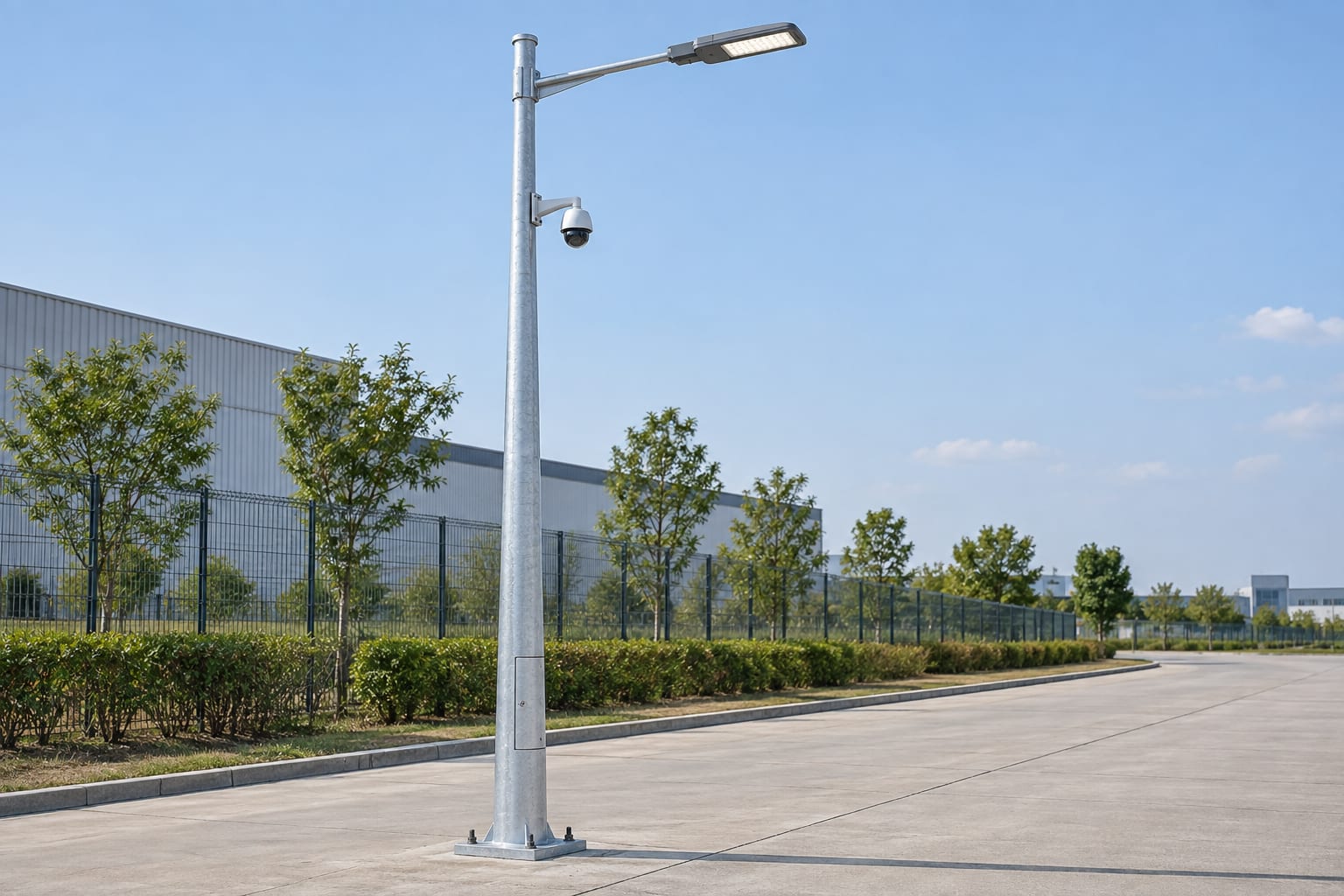
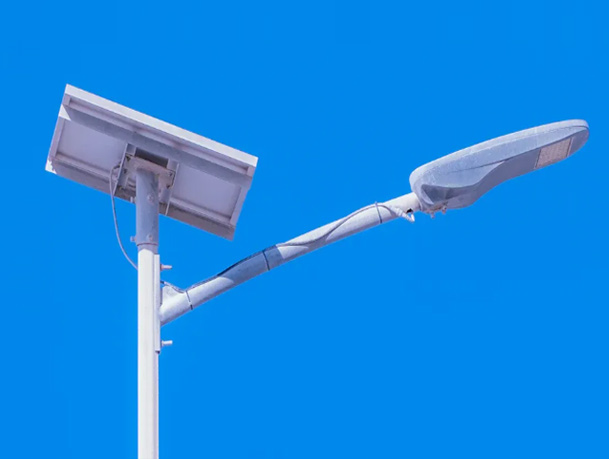
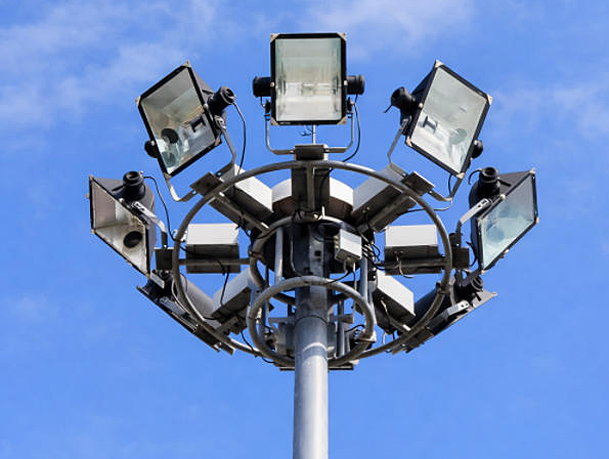
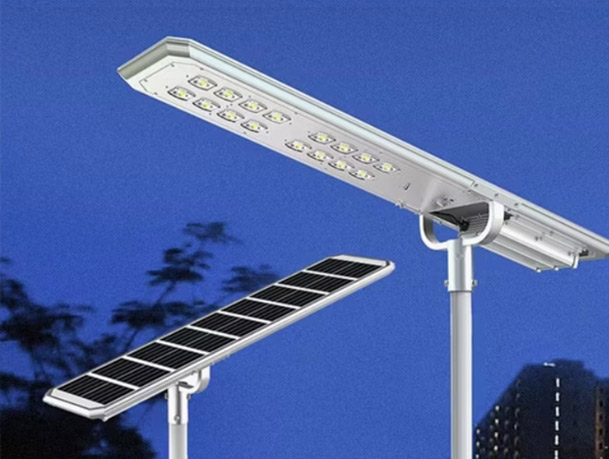
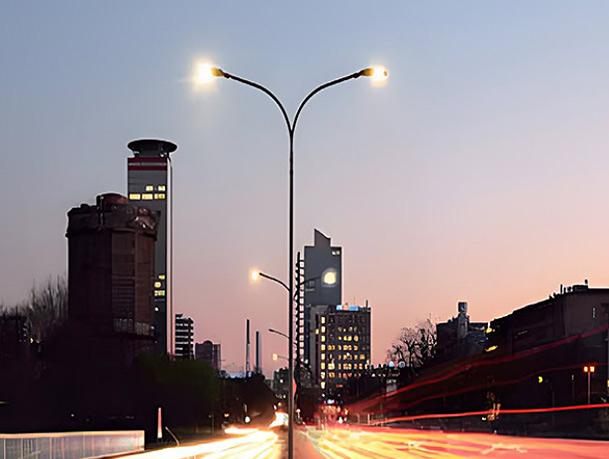
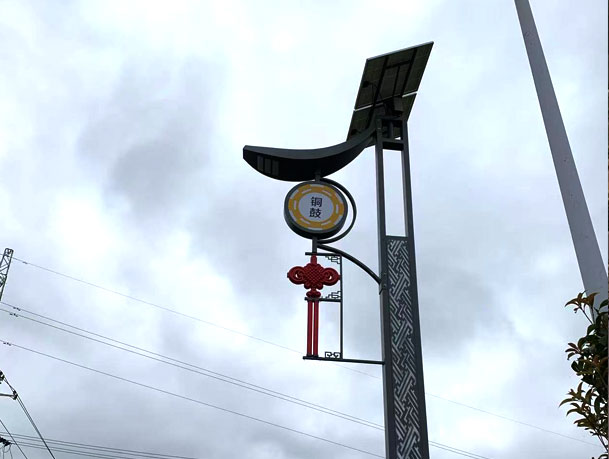
Smart city pole integrating CCTV, Wi-Fi, EV charging and LED street lighting infrastructure


1.1 Urban Efficiency & Space Use


As multifunctional urban infrastructure, the core value of smart light poles is reflected in the following three dimensions:


Space Optimization and Urban Aesthetics: Through a multi-pole-in-onemodel that integrates lighting, communications, surveillance, and environmental monitoring, smart light poles eliminate the visual clutter caused by separate installations, significantly freeing up space for pedestrians, cyclists, and commercial open spaces, and enhancing the aesthetic appeal of modern cities.


Cost Reduction, Efficiency Improvement, and Data Synergy: By connecting various devices to a single power source and data network, these poles eliminate hardware fragmentation. This significantly reduces construction and operational costs while enabling the interconnection of urban data.


Safety, Low Carbon, and Smart Governance: These poles support energy-saving technologies and low-carbon mobility (EV charging), while providing continuous safeguards in the areas of public safety and environmental monitoring, thereby helping to build a sustainable smart city ecosystem.


1.2 Infrastructure Streamlining & Cost


By integrating CCTV, Wi-Fi, and EV charging functions into a single smart light pole, these systems overcome the limitations of traditional, standalone systems. This “multi-function pole” model significantly simplifies the infrastructure network, comprehensively reduces construction and O&M costs, and maximizes operational efficiency for cities and businesses.


Cost Saving Aspect

Description

Reduced Installation Costs

Combining technologies into smart poles eliminates the need for separate installations, lowering costs.

Energy Efficiency

Smart poles utilize energy-efficient LED lighting and solar power, reducing overall energy expenses.

Lower Maintenance Expenses

Integrated systems require less maintenance compared to standalone units, leading to cost reductions.


Data shows that smart light poles, through adaptive lighting and shared infrastructure, can reduce energy consumption by 31%, lighting operating costs by 24%, and cluster deployment costs by 21% (integrating 5G modules can further reduce telecommunications infrastructure costs by approximately 34%). This system integrates mobile communications, public Wi-Fi, CCTV, environmental sensors, and EV charging into a single pole. By leveraging a unified power and data network to support IoT expansion and utilizing real-time data to enhance traffic management and public safety, it achieves cost savings and efficiency gains in smart city operations.


Part2: Smart Pole Benefits


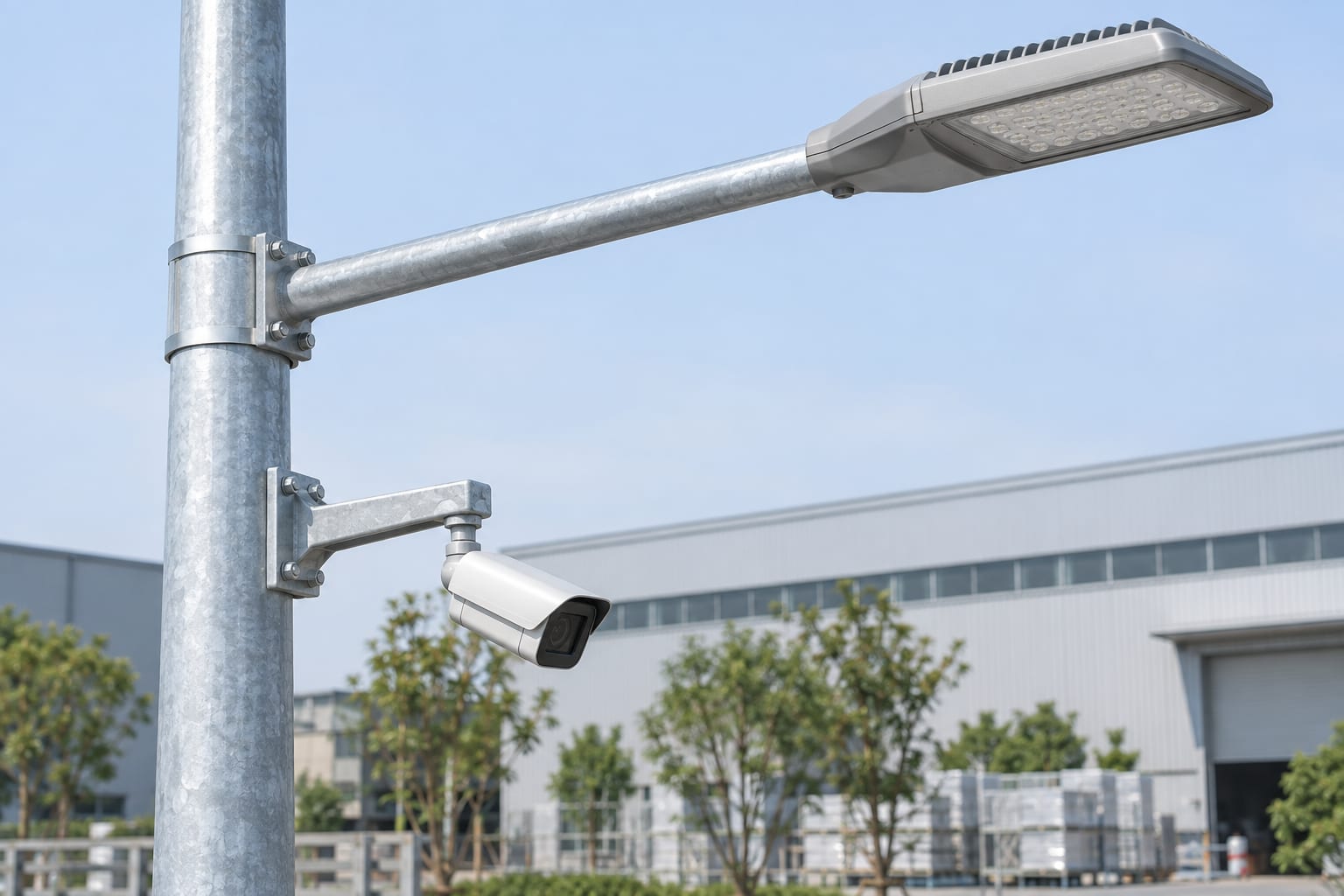
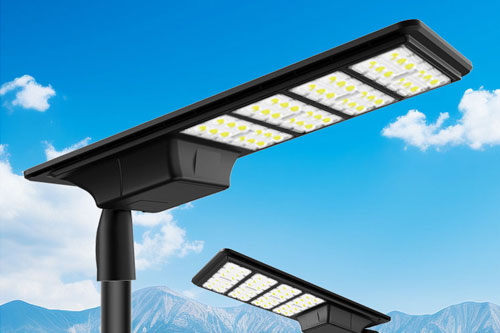
Multifunction smart street light pole with surveillance camera and wireless connectivity system


2.1 Public Safety & Surveillance


Smart light poles integrate IoT sensors, network cameras, and PoE-powered surveillance systems to build an efficient, multi-layered security network through adaptive lighting and real-time data transmission in high-risk areas. Practice in San Diego has shown that deploying LED streetlights equipped with motion sensors and cameras has effectively reduced the crime rate by 30%. Serving as an urban information hub, this system not only strongly deters vandalism and crime through mobile surveillance and emergency communication systems but also enables real-time data coordination for traffic management and emergency response, empowering law enforcement agencies to make efficient and collaborative decisions.


2.2 Connectivity & Wi-Fi Access


By deploying public Wi-Fi, smart light poles create an inclusive connected environment for residents, businesses, and tourists, providing digital access to job search, education, and e-government services. This effectively bridges the digital divide and drives the development of the local digital economy. At the same time, the integrated IoT sensors and visual perception systems in each pole can monitor vehicle and pedestrian traffic in real time, optimizing traffic flow and providing intelligent parking guidance. This comprehensively enhances the quality of urban life and supports the implementation of smart city development goals.


2.3 EV Charging & Sustainability


Smart light poles contribute to citiescarbon neutrality goals through the deep integration of green energy technology with low-carbon mobility solutions:


Distributed Charging Infrastructure: By seamlessly integrating EV charging stations into the urban road network, a high-density, decentralized public charging network is created, lowering the barriers to charging and accelerating the widespread adoption of electric vehicles (EVs).


Energy Efficiency and Emissions Reduction: Leveraging adaptive LED and solar photovoltaic lighting technologies, these systems reduce energy consumption by 1020% compared to traditional streetlights, directly lowering the carbon footprint of urban public lighting.


Multidimensional, Collaborative Sustainable Ecosystem: Using smart light poles as a platform, these systems integrate low-carbon mobility (EV charging), smart governance (CCTV), and digital inclusion (Wi-Fi), transforming traditional energy-intensive infrastructure into new, green, and sustainable smart city nodes.


Feature

Benefit

LED and solar-powered lighting

Reduces electricity consumption and carbon emissions

Energy-efficient lighting

Ensures minimal energy waste while maintaining visibility


Part3: Tech Integration & Examples


3.1 IoT & System Design


Smart light poles, featuring IoT integration and a modular architecture, have evolved into highly resilient urban connectivity hubs. Their multifunctional, integrated design not only eliminates spatial fragmentation and streamlines operations and maintenance processes but also enables rapid reuse of existing infrastructure and seamless upgrades without altering the main structure. Through the decoupling of hardware and software and the optimization of interoperability, the system can dynamically integrate cutting-edge technologies such as 5G micro-base stations and environmental monitoring, leveraging multidimensional real-time data streams to build a future-oriented, adaptive smart city ecosystem.


System Feature

Business Benefit

Modular Architecture

Easy upgrades and scalability

Unified Platform

Simplified management and control

Real-Time Data

Improved decision-making


3.2 City Case Studies


Case Studies and Value Alignment of Smart Light Pole Deployments in Global Benchmark Cities:


Singapore: Modular Design and Data-Driven Solutions


Technology Integration: Leveraging a modular architecture to dynamically integrate public Wi-Fi, CCTV, and environmental monitoring sensors, enabling seamless technological scalability.


Business Value: Through highly reliable network connectivity and real-time data sharing, it comprehensively optimizes regional logistics efficiency and business operations.


Los Angeles: Low-Carbon Energy Replenishment and Lean Operations and Maintenance


Technology Integration: Comprehensive deployment of an integrated smart pole network combining EV charging stations, video surveillance, and adaptive LED lighting.


Governance and Commercial Value: While significantly reducing public lighting energy consumption and municipal operational and maintenance costs (OpEx), it empowers the local commercial ecosystem with high security standards and comprehensive infrastructure.


Barcelona: IoT Networking and Smart Spatial Governance


Technology Integration: Utilizing IoT sensors for routine monitoring of citywide traffic flow and air quality to build a unified grid-based management platform.


Business Value: Simplifies urban public asset management processes; its open data ecosystem helps businesses precisely optimize logistics and delivery routes, effectively reducing supply chain operational risks.


Global best practices demonstrate that investing in modular and highly scalable smart pole systems can continuously generate long-term benefits from government-business collaboration. Such infrastructure not only effectively drives commercial growth and deepens smart digital urban governance, but also creates opportunities for entirely new business models. Drawing on existing success stories can help cities and businesses make sound strategic decisions and maximize the return on investment (ROI) of their infrastructure assets.


Part4: Deployment Challenges


4.1 Privacy & Security


Privacy Risk Management and Rebuilding Public Trust in the Deployment of Smart Light Poles:


Legal Compliance Risks: The long-term retention of video footage and data without judicial oversight poses significant legal challenges. The Supreme Courts ruling in Carpenter v. United States clearly states that a judicial search warrant is required to obtain long-term location data.


Public Trust Deficit (Quantitative Data Risks):


Privacy and Abuse Concerns: 77.3% of respondents are concerned that smart surveillance infringes on privacy, and 83.3% believe that technology abuse is already a reality.


Right to Know and Procedural Justice: 63.5% criticize local governments for a lack of technological transparency; as many as 90.3% of residents strongly demand the right to vote directly or have a say before the system is implemented.


Functional Overreach and Crisis of Trust: 69.9% worry that surveillance will create a chilling effecton protests and freedom of speech; 28.2% express complete distrust in any institutions management of data accountability.


Governance Measures: Smart city infrastructure development must establish strict boundaries for the rights and responsibilities regarding surveillance data, addressing residentscore concerns by enhancing procedural transparency, introducing public participation, and implementing routine accountability mechanisms.


4.2 Maintenance & Upkeep


The operation and maintenance of smart light poles face diverse and complex physical and environmental challenges. On the one hand, humidity, temperature fluctuations, and salt fog (in coastal areas) can significantly accelerate fatigue and corrosion of metal structures, placing higher demands on steel coatings and the fatigue resistance of aluminum alloys. On the other hand, the sensitive electronic components introduced by “multi-pole integration” are more vulnerable to environmental factors, creating an urgent need to establish refined, specialized maintenance and lifecycle management mechanisms.


Maintenance Challenge

Description

Environmental Conditions

Humidity, temperature, and saltwater exposure impact pole longevity.

Material Durability

Steel needs painting; aluminum can fatigue; material choice affects maintenance.

Integration of Smart Tech

Sensitive electronics require specialized maintenance.


By combining highly durable materials with LED technology, smart light poles achieve a light source lifespan of up to 50,000 hours—a significant increase over traditional streetlights—which substantially reduces failure rates and system downtime. The implementation of predictive maintenance strategies through IoT sensors enables early warning of equipment failures and precise intervention, comprehensively enhancing the system’s resilience to environmental stresses while significantly reducing ongoing operational expenses.


4.3 Funding & Implementation


The deployment of smart light poles offers diverse investment and financing channels. Public-private partnerships (PPP) enable risk-sharing, and sustainable revenue-sharing models can be established through mechanisms such as leasing 5G spectrum from telecommunications operators. At the same time, multilateral financial institutions, including the World Bank and various regional development banks, are actively providing financial support for projects in emerging markets. Currently, the annual average growth rate of urban populations in Africa and South America stands at 2.5%, which is expected to create opportunities for the installation of over 500,000 smart light poles and generate a growing market over the next five years.


Barrier Type

Description

Co-ownership and management

Design, maintenance, and cost sharing issues for backhaul.

Conflicting priorities

Stakeholders may have different agendas.

Sensor data privacy concerns

Worries about how sensor data will be used and protected.

Lack of awareness

City governments may not fully understand smart pole benefits.


The smart lamp post project must prioritize resolving conflicts of rights and responsibilities among multiple stakeholders regarding joint ownership, asset management, and the allocation of priorities. At the same time, disputes over sensor data privacy and limitations in public understanding are key barriers hindering the project’s progress. To this end, it is essential to establish clear stakeholder communication mechanisms and formulate highly transparent data governance policies. By clearly defining the division of responsibilities and ensuring compliance and transparency, the smooth implementation and long-term collaboration of smart city projects can be guaranteed.


Smart light poles are reshaping modern urban infrastructure through the deep integration of CCTV, Wi-Fi, and EV charging capabilities. This system comprehensively enhances energy efficiency, public safety, and connectivity, while significantly reducing municipal operational and maintenance costs in practical applications and achieving a more streamlined and aesthetically pleasing urban landscape.


Benefit

Description

Energy Efficiency

Up to 70% reduction in energy use

Public Safety

Faster response and safer streets

Connectivity

Stronger WiFi and IoT integration


As multifunctional digital hubs, smart light poles comprehensively support data-driven urban planning and sustainable development. When advancing their deployment, it is essential to conduct an in-depth assessment of both opportunities and challenges. Future strategic priorities should focus on promoting modular top-level design, fully leveraging government policy incentives, and maximizing the value of real-time data to enable more refined and intelligent urban governance.


FAQ


What are the main benefits of smart poles for businesses?


Through a highly integrated design, smart light poles streamline and simplify urban infrastructure, comprehensively enhancing citywide safety, operational and maintenance efficiency, and network connectivity. Leveraging its unique spatial asset characteristics, the system supports the rapid and seamless deployment of innovative public services and helps city operators develop stable, diversified revenue streams by leasing micro-base station space to telecommunications carriers and providing value-added EV charging services.


How do smart poles support citywide digital transformation?


As sensing nodes on the urban periphery, smart light poles possess core capabilities for real-time data collection, full-lifecycle asset management, and the precise delivery of public services. Through deep integration with the Internet of Things (IoT), the system can conduct routine, detailed monitoring of urban traffic flow, air quality, and lighting conditions, establishing a data-driven scientific decision-making mechanism to comprehensively optimize the operational efficiency of urban public assets.


Are smart poles difficult to maintain?


Smart light poles have significantly streamlined the operation and maintenance processes for urban infrastructure. The combination of long-life LED light sources and IoT sensors has successfully established a predictive maintenance mechanism, drastically reducing system downtime and the costs associated with manual inspections. At the same time, regular over-the-air (OTA) software updates ensure that the entire network remains in a highly secure and energy-efficient operational state at all times.


Can you customize smart poles for different business needs?


Smart light poles employ a modular architecture with decoupled hardware and software, supporting on-demand configuration of diverse functional components—such as video surveillance, public communications, and EV charging—based on specific governance scenarios. This agile, on-demand configuration capability endows the system with exceptional flexibility, enabling cities to perform seamless upgrades and functional migrations as technology evolves and needs change, thereby effectively ensuring the long-term evolution and full lifecycle value of digital assets.


What security measures protect data collected by smart poles?


The system has established a layered defense framework that integrates data encryption, stringent access controls, and routine security audits. By implementing comprehensive cybersecurity governance strategies, it effectively mitigates the risk of unauthorized access while strictly adhering to local laws and regulations, thereby reinforcing privacy compliance standards and fostering long-term trust among stakeholders.


Contact Us

Get a custom lighting solution and quotation for your project.
About Jieyao Lighting: Leading Manufacturer of Energy-Efficient LED Street Lights1. Manufacturing Background & ScaleEstablished in 2017 and backed by a 20-year manufacturing heritage, jieyao lighting ...

Do you have any questions or requests?

Email: jay@jieyaolighting.com

Tel: +86 13815843784
WhatsApp: +86 13815843784
Contact
Copyright © 2025 Yangzhou Jieyao Lighting Equipment Co., Ltd. All rights reserved
×
Send Your Inquiry Today
We use cookie to improve your online experience. By continuing to browse this website, you agree to our use of cookie.

Cookies

WhatsApp avatar

Click to Chat.

Im online now.
Hey, I'm Xu Jie from Jieyao Lighting. What can I do for you? Welcome to contact me, WhatsApp: +86 13815843784

WhatsApp Us

WhatsApp us