
The CIE publication Lighting of Roads for Motor and Pedestrian Traffic (CIE 115:2010) describes a structured model for selecting M, C or P lighting classes based on the luminance or illuminance concept and parameters relevant to the visual task. The class family points toward the type of road user and activity being considered. The detailed criteria and class-selection process must be read in the complete standard and the project’s locally adopted documents.
| Class family | Broad visual task | Typical planning context (illustrative) | What not to assume |
|---|---|---|---|
| M | Motorized-traffic road lighting | Road sections where vehicle movement and pavement visibility are the primary design concern. | It is not a universal “highway wattage” or a fixture power range. |
| C | Conflict-area lighting | Areas where traffic streams or road users meet, cross or change direction, such as an intersection. | The class label alone does not give a project’s required values. |
| P | Pedestrian-traffic lighting | Pedestrian routes and spaces where visibility of people and surroundings matters. | It is not simply a lower-output version of an M-class roadway. |

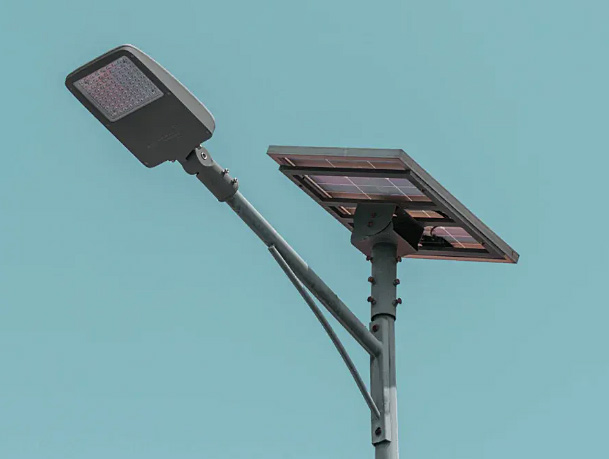
Road-use contexts differ; an authority's standard determines the applicable class.
Class selection begins with the intended visual task and the characteristics of the place—not with a product brochure. The CIE framework considers factors relevant to the specific task. Depending on the standard and project, the designer may need to account for traffic type and volume, operating speed, geometry, conflict points, pedestrian activity, environmental conditions and the route’s function. The exact inputs and calculation method vary by jurisdiction and adopted edition.
Mixed-use locations often need more than one evaluation zone. For example, a road segment may be reviewed for motor traffic while a nearby junction or pedestrian crossing is treated as a separate task. The designer should mark where the class changes and how the lighting transition is handled. Do not extend one class label across a whole site without reviewing its individual areas.
Record who uses the road at night: drivers, cyclists, pedestrians, transit passengers or a combination.
Separate road sections, conflict points and pedestrian areas in the drawings and calculation boundary.
Confirm the edition and local amendments required by the authority or tender before setting criteria.
A useful specification names the governing standard and edition, identifies the road/user category, states the calculation metrics and maintenance basis, and defines the calculation grid and boundaries. It should also explain how the designer expects the luminaire photometric file, mounting geometry, tilt and control strategy to be represented. If a tender lists a class without an edition or the supporting criteria, ask the authority to clarify before proposing a fixture.
| Document line | Review question | Why it matters |
|---|---|---|
| Standard and edition | Which national/international document and amendments govern? | Class names or criteria may differ across systems and editions. |
| Road and area schedule | Are links, junctions, crossings and pedestrian spaces identified separately? | Different visual tasks may require different treatment. |
| Calculation criteria | Which metrics, uniformity checks, glare limits and maintenance assumptions are required? | A class name alone is not a calculation or acceptance plan. |
| Product evidence | Does the IES/LDT file match the exact model and configuration offered? | The calculation is only as reliable as its input data and geometry. |
Once the design criteria are established, the lighting designer can test suitable optical distributions, mounting positions and operating modes in the project calculation. A luminaire should not be described as “M-class” or “P-class” in isolation; the class applies to the design task, while the product contributes a photometric distribution and electrical/physical characteristics. The designer compares model-specific data with the specified result and environmental requirements.
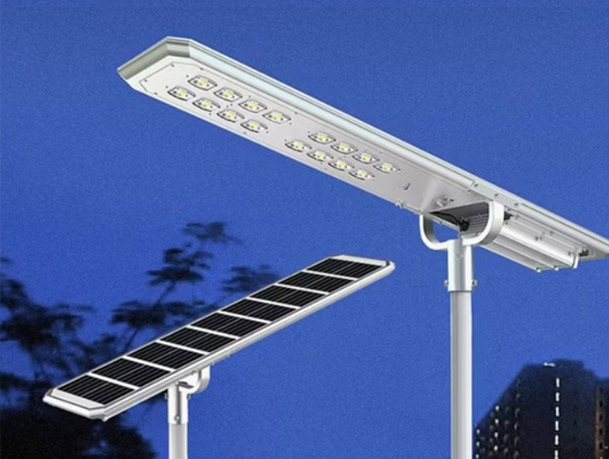
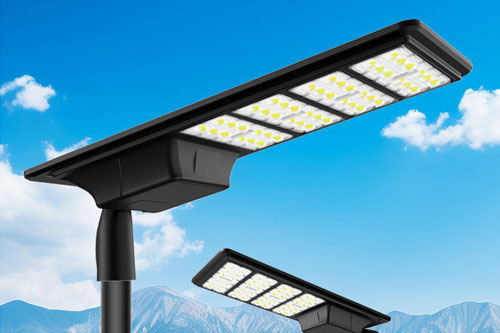
Jieyao Lighting's roadway LED range and modular LED street light pages describe product families. They do not replace the authority's class selection or project photometric design.
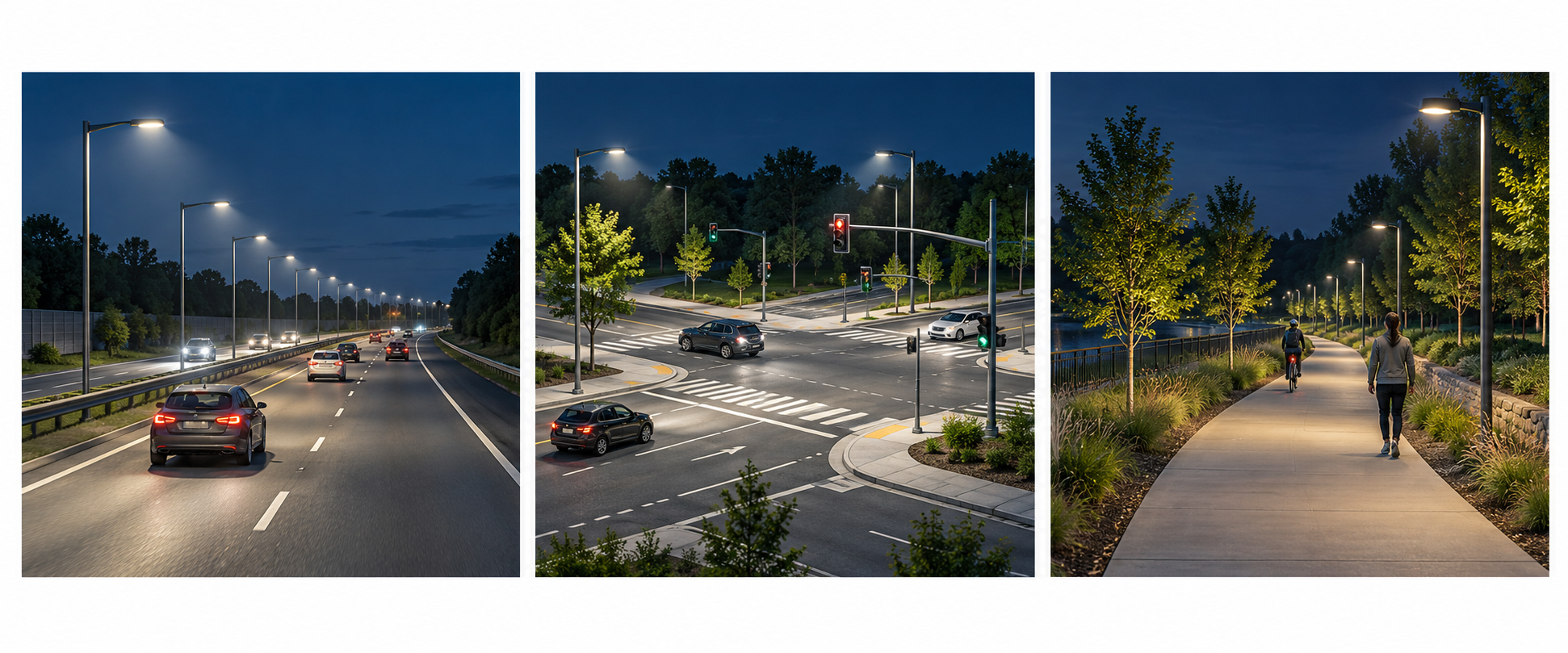
Consider a continuous road section with a defined motor-traffic task, a junction where movements cross, and a sidewalk carrying pedestrians. The brief should not merely name one class for the entire corridor. It can identify the road section, conflict area and pedestrian route separately, then state how each boundary and transition is evaluated under the adopted standard. This makes it easier for the designer and supplier to understand which luminaire files and calculation results belong to each part of the project.
For an urban project, ask whether the authority has local class-selection guidance or amendments. For an international tender, ask which standard takes precedence when the contract references both national and international documents. For a retrofit, identify whether the task is to reproduce the existing criteria, improve a documented deficiency or comply with a new edition. These questions prevent a class label from being used as a substitute for the actual requirement.
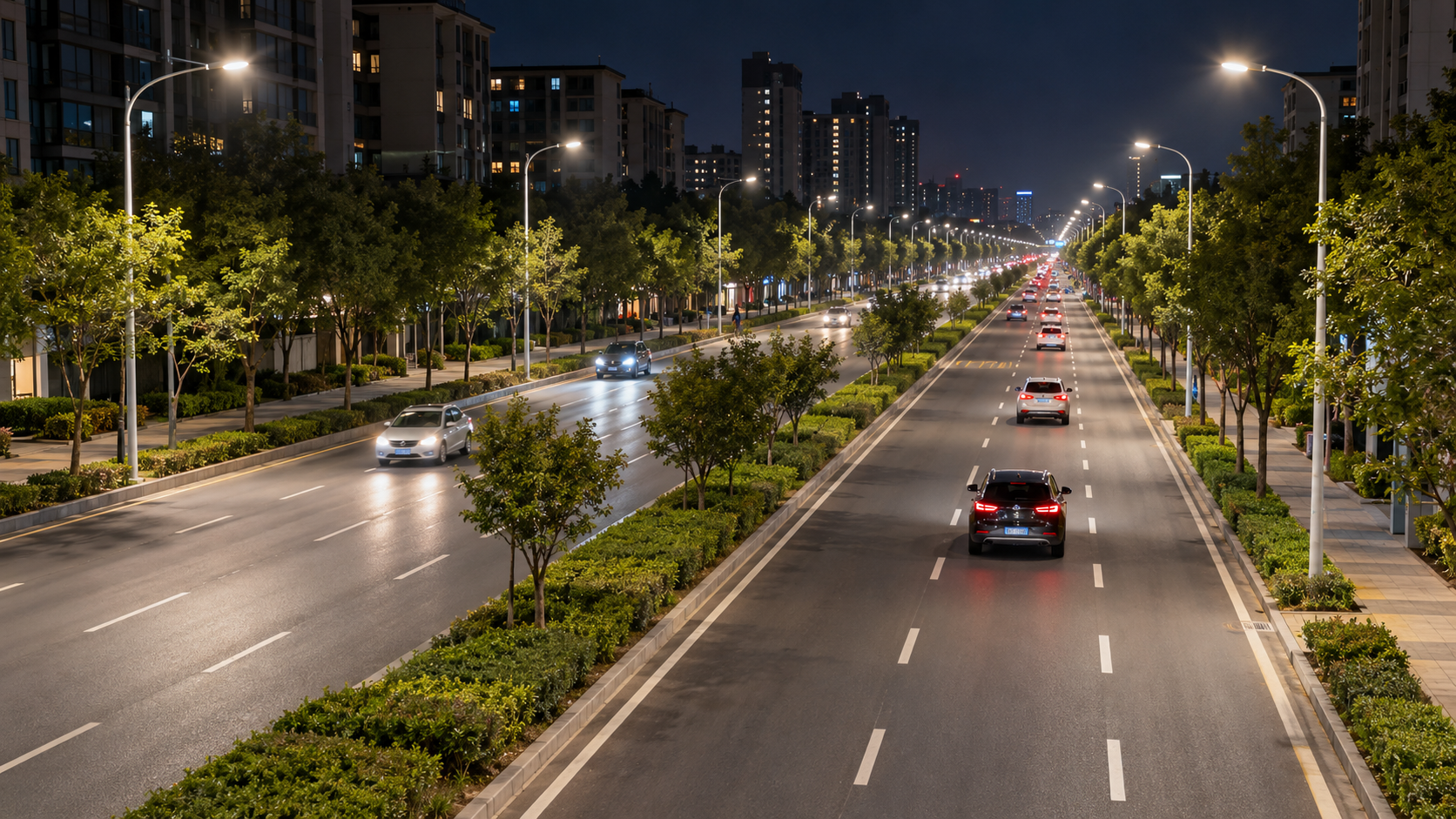
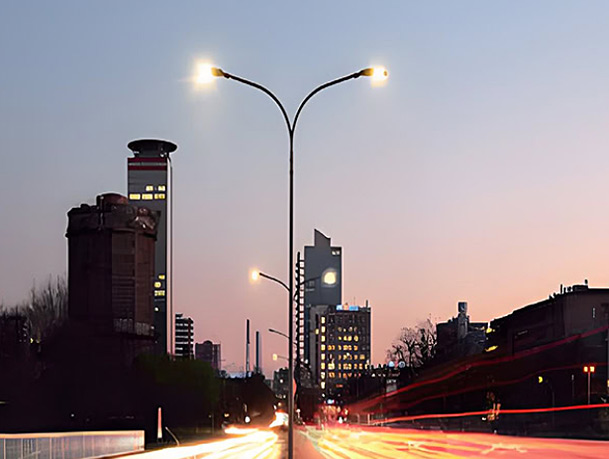
Motorized traffic context; the authority's adopted method determines the applicable class and criteria.
Show the selected class in a segment schedule and reference the exact standard edition used by the designer. A tender reviewer should be able to connect that schedule to the road plan, identify transitions between motor-traffic and conflict areas, and see which criteria apply at each boundary. Where the authority specifies additional requirements, keep them explicit instead of assuming the class label covers every project obligation.
Ask the design team to provide the calculation basis and the photometric-file requirement for each segment. This helps suppliers compare proposals on the same terms and reduces the risk that a product datasheet is mistaken for a compliant design. Record any accepted deviations with their location, rationale and approval owner.
During handover, retain the final class schedule alongside the approved calculation, drawing revision, luminaire schedule and control notes. If the road use or layout changes later, the asset owner can see the original design basis and decide whether a new assessment is needed.
A road-lighting class describes the performance task that the design is expected to address under the chosen standard. It does not directly tell a buyer which wattage, lumen output, pole height or spacing to order. Those choices follow from the road geometry, surface assumptions, mounting arrangement, photometric data and any additional project constraints. A request for “an M-class light” is therefore incomplete unless it identifies the road section, class-selection basis and calculation criteria.
The distinction is useful during tender review. First check that the authority's class selection is stated and supported by the relevant project context. Then confirm that the calculation uses the correct evaluation area and the specific metrics required by the governing document. Only after the design demonstrates compliance should the buyer compare fixture variants, controls, service access and whole-life requirements. This sequence keeps the class decision separate from a vendor's product recommendation.
Many road projects contain more than one task. A moving-traffic section may lead into an intersection, where turning movements and crossing users make the conflict area a different design question. A footway, shared path or public square nearby may require a separate pedestrian-focused evaluation. The project designer should identify where one task ends and another begins, and document how transitions are handled.
For example, a corridor plan could show an M-class road segment, a C-class junction and a P-class pedestrian route as three separate calculation areas. That is a way to organize a design review, not a universal class assignment. Local standards, road authority decisions and the relevant edition of the adopted method govern the actual selection. Where a project uses a different national classification system, the brief should name that system and avoid mixing labels from unrelated standards.
| Review question | Why it matters | What to record |
|---|---|---|
| Which standard and edition apply? | Class names and criteria are not interchangeable across documents. | Authority, standard title, edition and project clause. |
| Where are the task boundaries? | A road can transition between traffic, conflict and pedestrian contexts. | Marked plans and calculation-area schedule. |
| Which metrics are required? | Different tasks can use different evaluation quantities and planes. | Acceptance criteria and calculation output list. |
| How is the class reflected in procurement? | A product name alone cannot demonstrate design compliance. | Model file, mounting assumptions and signed calculation basis. |
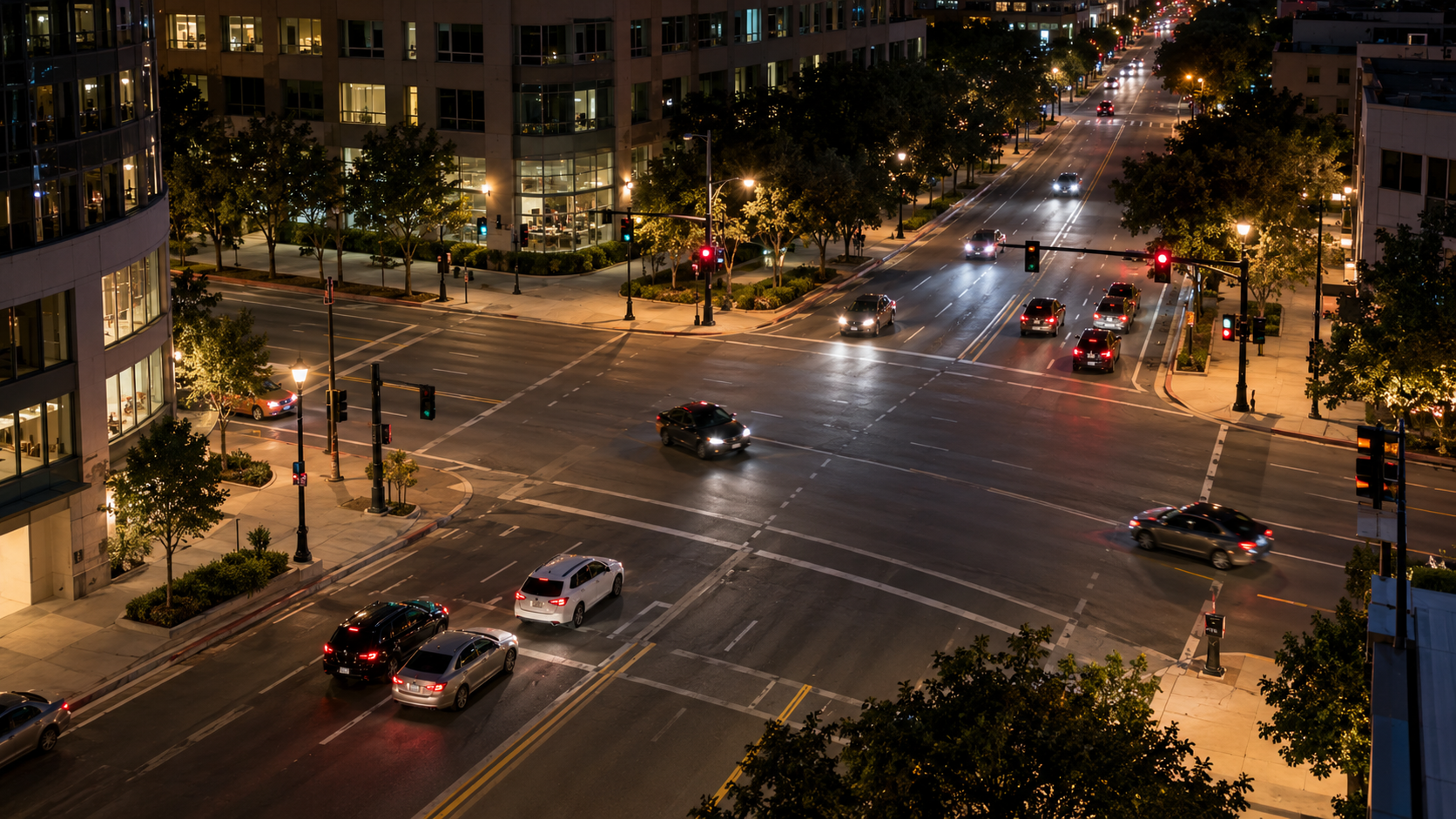
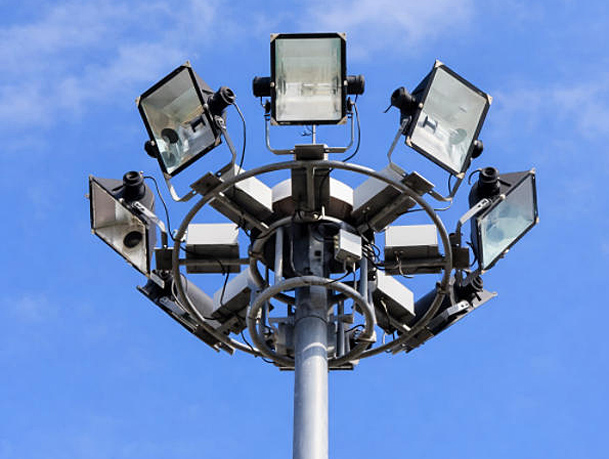
Conflict-area context; the image is illustrative and does not assign a class to a specific road.
No. In the CIE framework these are class families associated with different road-user visual tasks. They are not wattage bands.
Do not infer a classification from the location name alone. A crossing may be treated under the governing standard's conflict-area or pedestrian provisions. Follow the locally adopted document and authority brief.
Only after checking definitions, edition, metrics and local adoption. Similar labels do not guarantee equivalent criteria.
Share the exact standard and edition, class/criteria schedule, calculation boundary, mounting geometry, photometric-file requirements and environmental constraints.
No. The class is one input to a complete engineering design, calculation, review and installation process; it is not a standalone safety guarantee.
Use the adopted standard and licensed full text for engineering decisions; this article is an orientation guide, not a substitute for the project criteria.
Contact Us
Get a custom lighting solution and quotation for your project. Yangzhou Jieyao Lighting Equipment Co., Ltd. manufactures outdoor lighting and steel poles in Guoji Town Industrial Park, Gaoyou City, Yangzhou, Jiangsu, China. The company reports a 10,000 m² factory site, more than 60 employees including more than 10 technical personnel, and more than 100 production and testing machines. The present company name dates from 2017; Jieyao Poles’ published history traces the team’s manufacturing lineage to 2006. The stated 15 years of experience refers to the team. The company reports exports to more than 60 countries. Do you have any questions or requests?
Email: jay@jieyaolighting.com

Click to Chat.
Im online now.
 English
 Español
 Bahasa Indonesia