
JIEYAO LIGHTING · TECHNICAL BUYER ANALYSIS
Compare jet and immersion evidence using a three-offer procurement audit, then check that the tested assembly matches the product being supplied.
Jieyao Lighting · 26 October 2026 · Source-based analysis with a fictional three-offer document audit. No new ingress testing or product certification is claimed.
IP66 and IP67 address different water-test exposures. Select protection from the installation and request reports for the exact enclosure, seals and cable entries. When both jet and immersion exposures matter, require evidence addressing both.

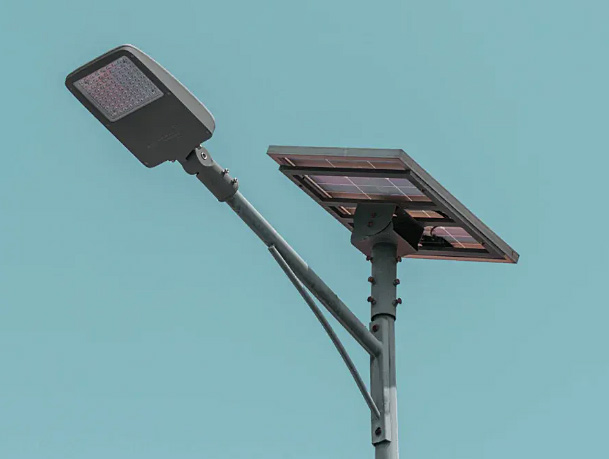
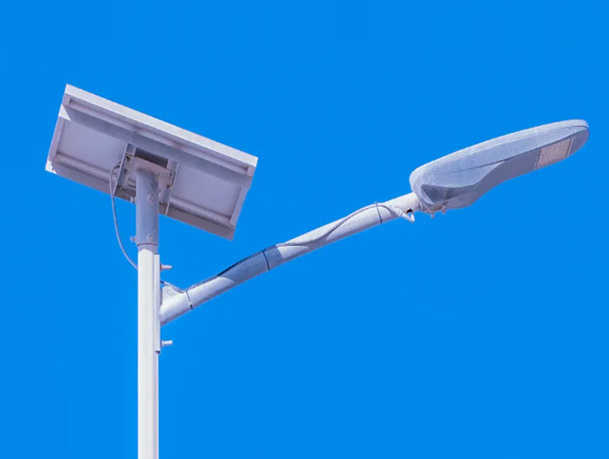
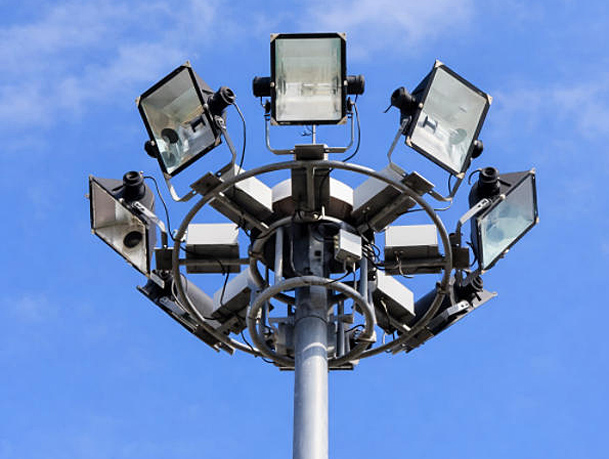
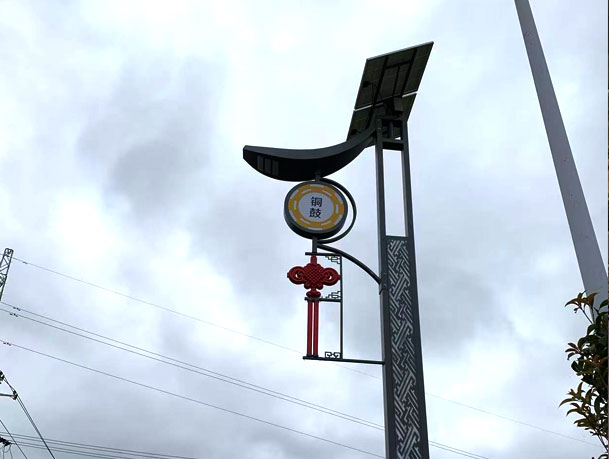
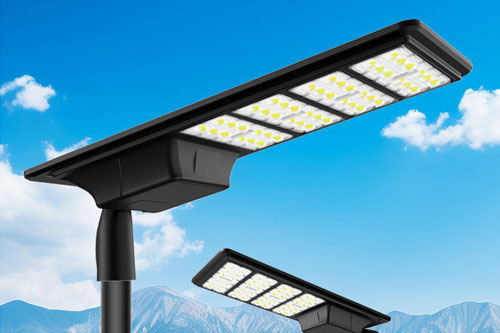
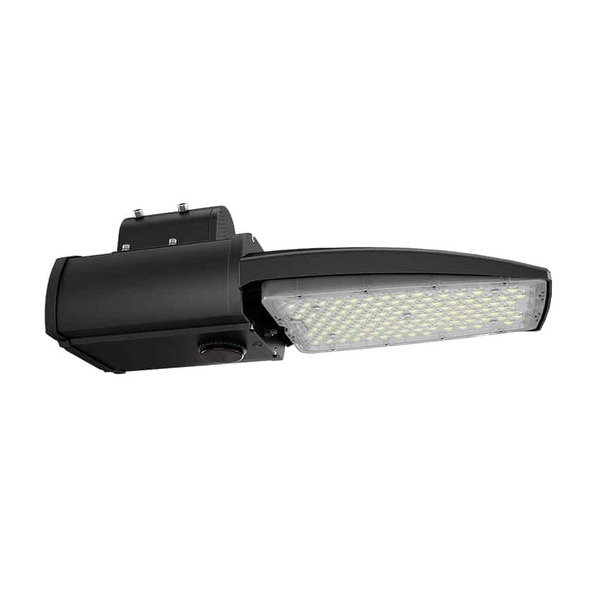
Photograph from the supplied image library, used for product/application context. It does not identify a tested specimen or verify the performance discussed below.
A pole-top luminaire exposed to water jets, a connector near a flood-prone base, and a buried battery compartment do not face the same water exposure. Treat them as separate interfaces before choosing the evidence to request. A single high-looking number can conceal a missing requirement.
IEC identifies IEC 60529 as the IP Code for enclosure protection. UL lists IPX5, IPX6, IPX7 and IPX8 as distinct testing categories. The practical step is to identify the exposure and request a matching result, rather than assuming one label answers every environmental question.
The first numeral 6 refers to dust-tight protection. For water, IPX6 concerns powerful jets; IPX7 concerns temporary immersion. These identify different stresses, rather than a single outdoor-quality score. An immersion-only statement does not by itself document a jet result. If both exposures matter, ask for evidence covering both.
| Question | Evidence to request | Still not established |
|---|---|---|
| Specified water jets? | Applicable jet-test result for the offered assembly. | Immersion, corrosion and condensation behavior. |
| Specified temporary immersion? | Immersion result with its conditions and duration. | Jet performance or unlimited underwater service. |
| An IP68 claim? | Declared immersion conditions and exact specimen. | Every depth, duration, fluid or installation. |
| Reliable outdoor service? | Separate ingress, corrosion, thermal and installation review. | A lifetime guarantee from the IP code alone. |
CTB describes IPX7 as an immersion exposure. For acceptance, use the applicable report and standard for specimen dimensions, conditions and criteria. A short web explanation is not an improvised field-test procedure; do not spray or immerse energized equipment to investigate an uncertain rating.
The following offers are fictional. Assume this project explicitly requires both a jet exposure check and temporary-immersion evidence for the same enclosure. This audits documentation coverage, not measured product quality.
| Fictional offer | Documents supplied | Decision |
|---|---|---|
| A: IP66 | Matching jet result; no immersion record. | Jet requirement documented; immersion remains open. |
| B: IP67 | Matching immersion result; no jet record. | Immersion documented; jet performance remains open. |
| C: IP66 / IP67 | Both results match the same enclosure and cable revision. | Both categories addressed; review conditions before approval. |
Offer C closes more of this particular evidence request. That does not prove that it is the best light, has the longest life or suits every site. If the required exposure changes, the acceptance decision changes. This requirement-first audit prevents an irrelevant number from deciding the purchase.
The most reviewable submission connects the required test to the supplied build. Missing evidence stays open; it is not inferred from marketing language.
A report describes a specimen; a purchase order describes what will arrive. Connect them using the enclosure revision, gasket, opening arrangement, connector, cable gland and installation orientation. A later change at one interface can reopen the assessment.
| Interface | Supplier question | Record |
|---|---|---|
| Cable entry | Does the tested gland/cable match the proposed assembly? | Cable and gland IDs; drawing. |
| Door or lens | Is this the tested seal and closure? | Seal identity and assembly revision. |
| Service opening | How is protection restored after maintenance? | Approved reopening and resealing procedure. |
| Multiple items | Which component does each rating cover? | Component-by-component evidence matrix. |
Keep ingress, coastal corrosion, condensation and battery temperature questions separate. This also helps resolve supplier substitutions: an equivalent connector needs an interface review, not just a familiar external appearance. Include the accepted assembly instructions in the handover pack.
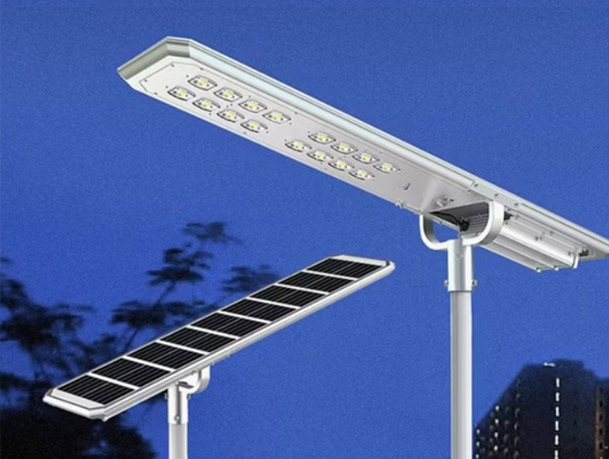
Yangzhou Jieyao Lighting Equipment Co., Ltd. is an outdoor lighting manufacturer in Yangzhou, China. For a split-type solar street light, identify the protection requirement separately for the light head, battery enclosure and connections. Ask for evidence for the actual offered build.
For [item and installation position], provide the applicable IP reports for [jet / immersion exposure and project conditions]. Identify the specimen, seals, cable entries and orientation. State exclusions and describe how the installation and service instructions preserve the tested configuration.
Use Jieyao’s sample approval checklist to keep the accepted assembly connected to its documents. This article does not prescribe one mandatory IP grade for every outdoor project.
Choose by required exposure and matching reports. An immersion result alone does not document a jet result.
No. Obtain material/finish and corrosion evidence separately. The ingress claim has its own scope.
Only for the item and scope it addresses. Trace separate enclosures and connections to the accepted bill of materials.
Send the application, site conditions and proposed configuration. Ask for evidence matched to the requirement rather than a universal performance promise.
Discuss the technical requirements →Source-based analysis with a fictional three-offer document audit. No new ingress testing or product certification is claimed. Interpretations and templates are independent editorial analysis. Source organisations do not endorse this article or the offered products.
Source addresses (copy to open):
IEC: IEC 60529 consolidated publication: https://webstore.iec.ch/en/publication/2452
UL Solutions: Environmental Simulation Testing: https://www.ul.com/services/environmental-simulation-testing
CTB laboratory: IPX7 testing explanation: https://www.ctb-lab.com/wap/news/xwzx/index.aspx?id=6561
Contact Us
Get a custom lighting solution and quotation for your project. Yangzhou Jieyao Lighting Equipment Co., Ltd. manufactures outdoor lighting and steel poles in Guoji Town Industrial Park, Gaoyou City, Yangzhou, Jiangsu, China. The company reports a 10,000 m² factory site, more than 60 employees including more than 10 technical personnel, and more than 100 production and testing machines. The present company name dates from 2017; Jieyao Poles’ published history traces the team’s manufacturing lineage to 2006. The stated 15 years of experience refers to the team. The company reports exports to more than 60 countries. Do you have any questions or requests?
Email: jay@jieyaolighting.com

Click to Chat.
Im online now.
 English
 Español
 Bahasa Indonesia