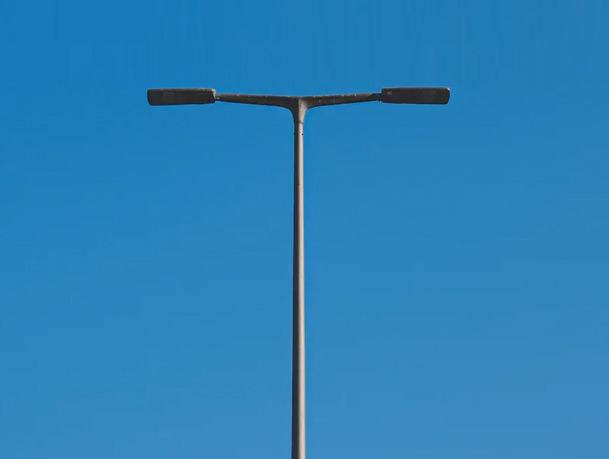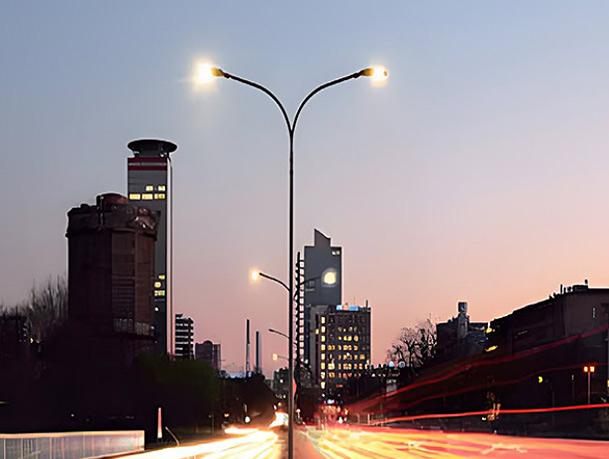


A typical example is a municipal road project. The buyer may compare several suppliers and choose a competitive LED street light price. On paper, everything looks under control. But once construction begins, additional costs start appearing — trenching for cables, foundation work, labor, and sometimes even redesign because the lighting layout was not optimized in the beginning. In some projects, the installation cost alone ends up close to the product cost. That’s why experienced buyers rarely look at unit price first. They look at total project cost.
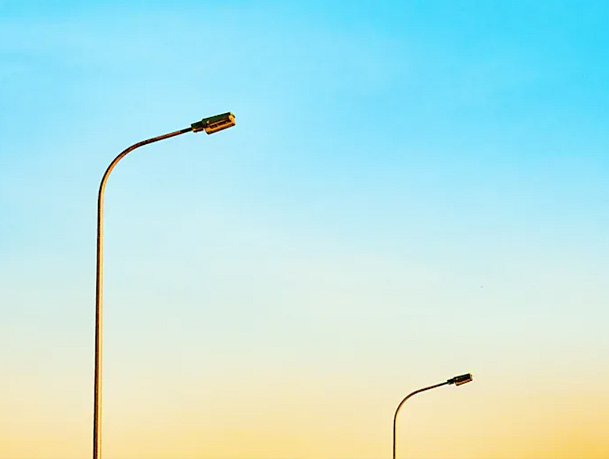
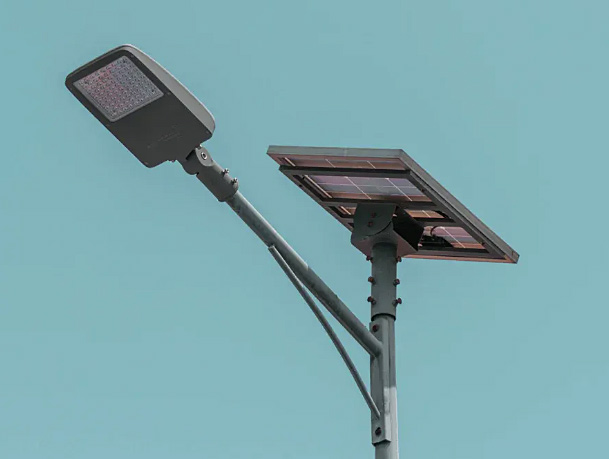
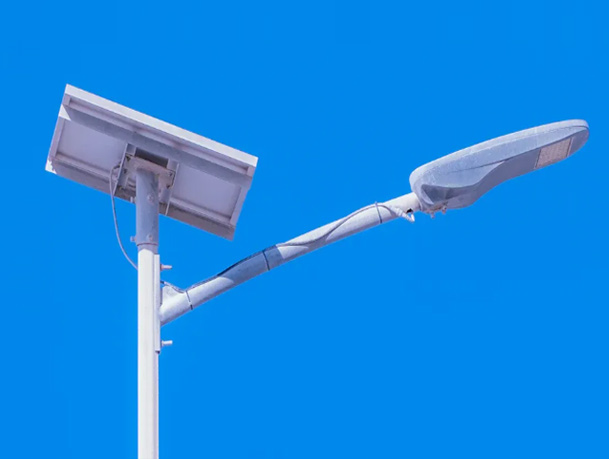
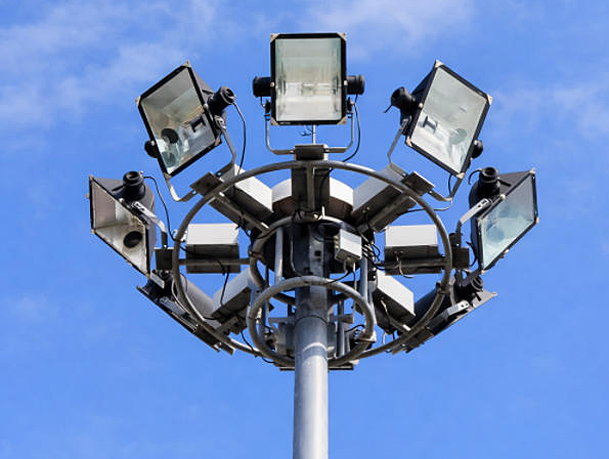
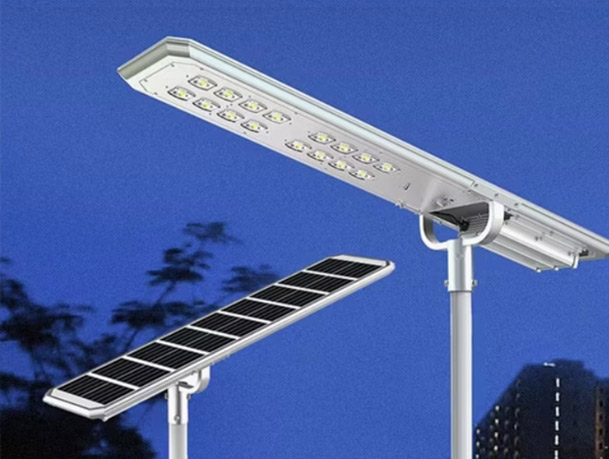
If you break a street light project down. the cost usually comes from a few main areas, but they don’t show up at the same time. The first is the equipment itself — the LED fixtures, poles, and in some cases solar panels and batteries. This is the most visible part, and also the easiest to compare. A standard LED street light might cost anywhere from $80 to $300 depending on wattage and quality. Solar street lights are typically higher because they include energy storage. High mast lighting systems for ports or large areas are in a completely different range. But focusing only on this number can be misleading.
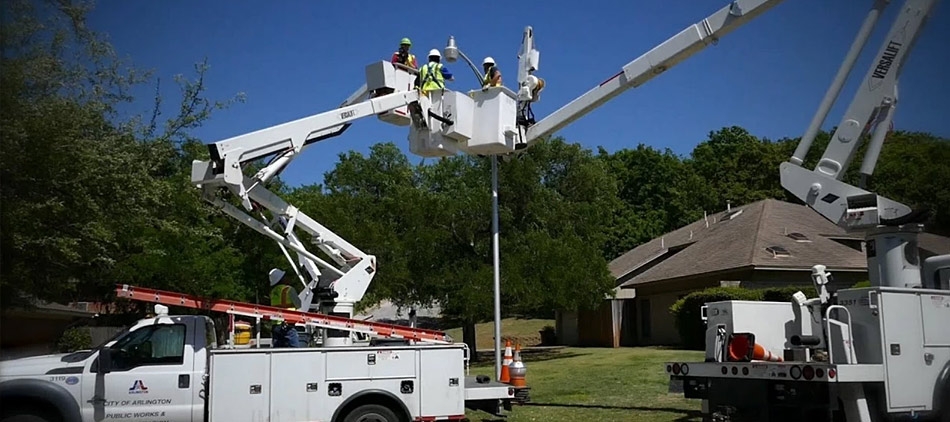
What surprises many buyers is the installation side. For traditional grid-powered street lights, installation is not just “putting up a pole.” It involves excavation, cable laying, electrical connections, and heavy equipment for taller poles. If the site is complex — for example, highways or new development zones — this part can quickly become one of the biggest cost drivers. That’s one of the reasons why solar street lighting has become more common in certain projects. Not because the product is always cheaper, but because it removes a large portion of installation work. No trenching, no underground cables, and no dependency on the local power grid.
Maintenance is another factor that is often underestimated. In theory, LED street lights are low maintenance. In reality, the quality of components makes a big difference. A system using lower-grade drivers or poor thermal design may start failing much earlier than expected. For solar systems, battery quality and configuration are critical. Replacing components across dozens or hundreds of poles is not just a material cost — it also means labor, downtime, and sometimes safety risks. This is where cheaper products can become expensive.
|
Item | Frequency | Cost per Service (USD) | Estimated Annual Cost (USD) |
Fixture Cleaning | 1-2 times/year | $30 – $70 | $30 – $100 |
Driver Replacement | Every 5-10 years | $150 – $400 | $15 – $80* |
LED Chip Partial Repair | Less than once/year (High-quality LEDs) | $100 – $300 | $10 – $50 |
Wiring Inspection | Once every 2 years | $50 – $100 | $25 – $50 |
Project | LED Street lights | High-Pressure Sodium Lamps | Savings |
Annual Failure Rate | 1%-5% | 15%-30% | ↓70%-90% |
Light Source Replacement | 50,000-100,000 hours (≈10 years without replacement) | 10,000-20,000 hours (1-2 replacements per year) | ↓90% |
Ballast Repair | 10-year lifespan (rarely replaced) | 2-3 year replacement (150-300 yuan/replacement) | ↓100% |
And then there are the costs that no one talks about at the beginning. Shipping fluctuations, import duties, harsh environmental conditions, or even simple design mistakes — like using higher wattage than necessary — can all push the budget higher than planned. These are not unusual situations. They are actually quite common.
Cost control, in practice, is not about cutting specifications. It’s about making the right decisions early. Choosing the correct wattage instead of “playing safe” with higher power. Planning pole spacing carefully. Using integrated systems where installation conditions are limited. And most importantly, working with a supplier who understands how lighting design affects cost.
At the end of the day, a street lighting project is not a product purchase. It’s a system investment. The lowest unit price does not guarantee the lowest total cost. In many cases, it leads to the opposite. Buyers who look at the full picture — from installation to long-term operation — usually make better decisions and avoid costly adjustments later.
If you are currently evaluating a project, it helps to look at a few key factors first: the type of road, the project location, the expected lighting standard, and how the system will be maintained over time. With this information, it becomes much easier to estimate the real cost and choose a solution that fits both performance and budget. And in most cases, that clarity at the beginning is what saves the most money in the end. |
Street Light Cost Guide – FAQ
1. How much does a street light actually cost? Most buyers expect a simple number, but in reality, the cost varies a lot depending on the type of project. A standard LED street light might cost between $80 and $300, while solar street lights are usually higher because they include panels and batteries. But what many people don’t realize is that the lamp itself is only part of the total cost. Installation, wiring, and long-term operation often cost just as much, or even more.
2. Why do street lighting projects end up over budget? In most cases, it’s not because the product is expensive — it’s because some costs were not considered at the beginning. Common reasons include: Underestimating installation work Ignoring cabling and trenching costs Choosing the wrong lighting design Unexpected site conditions Once the project starts, these issues are hard to avoid and quickly increase the total budget.
3. Is solar street lighting really cheaper than traditional lighting? It depends on how you look at it. Solar street lights usually cost more upfront, but they don’t require cabling or electricity. Over time, this often makes them cheaper, especially in areas without existing power infrastructure. For urban areas with stable grid access, traditional lighting can still be competitive.
4. What is the most expensive part of a street lighting project? Many first-time buyers assume it’s the light itself. In reality, installation is often the biggest cost — especially for grid-powered systems. Digging trenches, laying cables, and hiring equipment can quickly add up. In some projects, installation costs can be close to the total equipment cost.
5. How can I reduce street lighting costs without lowering quality? The key is not to cut quality, but to avoid unnecessary cost. For example: Don’t choose higher wattage than needed Optimize pole spacing instead of adding more lights Use integrated systems to simplify installation A well-planned design usually saves more money than choosing cheaper products.
6. How much does it cost to install one street light pole? This varies depending on location and conditions. In simple installations, the cost may be relatively low. But if the project requires trenching, heavy equipment, or complex foundations, the installation cost can exceed the price of the light itself. This is why installation should always be included in early budgeting.
7. What hidden costs should I watch out for? Some costs don’t appear until the project is already underway. Typical examples include: Shipping and logistics changes Import duties Site-specific construction challenges Design adjustments These are common in international projects and can significantly affect the final budget.
8. Do cheaper street lights always save money? Not necessarily. Lower-priced products may use less reliable components, which can lead to failures and higher maintenance costs later. In many cases, what looks cheaper at the beginning becomes more expensive over time.
9. How long do street lights usually last? LED street lights can last 5 to 10 years or more, depending on quality and environment. For solar systems, the battery is usually the first component that needs replacement, often after 5–8 years. Good product selection and proper design can extend the overall system lifespan.
10. What affects the price of a street light the most? Several factors play a role, but the most important ones are: Wattage and brightness requirements Pole height and material Whether the system is solar or grid-powered Environmental conditions Each project has different priorities, so prices can vary widely. |
Contact Us
Get a custom lighting solution and quotation for your project. Outdoor lighting manufacturer in Yangzhou, ChinaAbout Jieyao LightingYangzhou Jieyao Lighting Equipment Co., Ltd. is an outdoor lighting manufacturer focused on solar street light systems and high mas... Do you have any questions or requests?
Email: jay@jieyaolighting.com

Click to Chat.
Im online now.