English
 Español
 Bahasa Indonesia

- Product details
-
SQUARE HOLLOW-SECTION STEELWORK
A square-tube pole built around its connections
Jieyao supplies square-section steel light poles with the top connection, access opening and base arranged for the selected lighting assembly. The straight square-tube form gives the designer four flat faces to coordinate with brackets, openings and the direction of the light.
Order the pole as a defined steel assembly: shaft, selected top fitting, base connection, access cover and agreed finish. Luminaires, anchor assemblies and additional equipment belong on the quotation as named items rather than being assumed from a photograph.
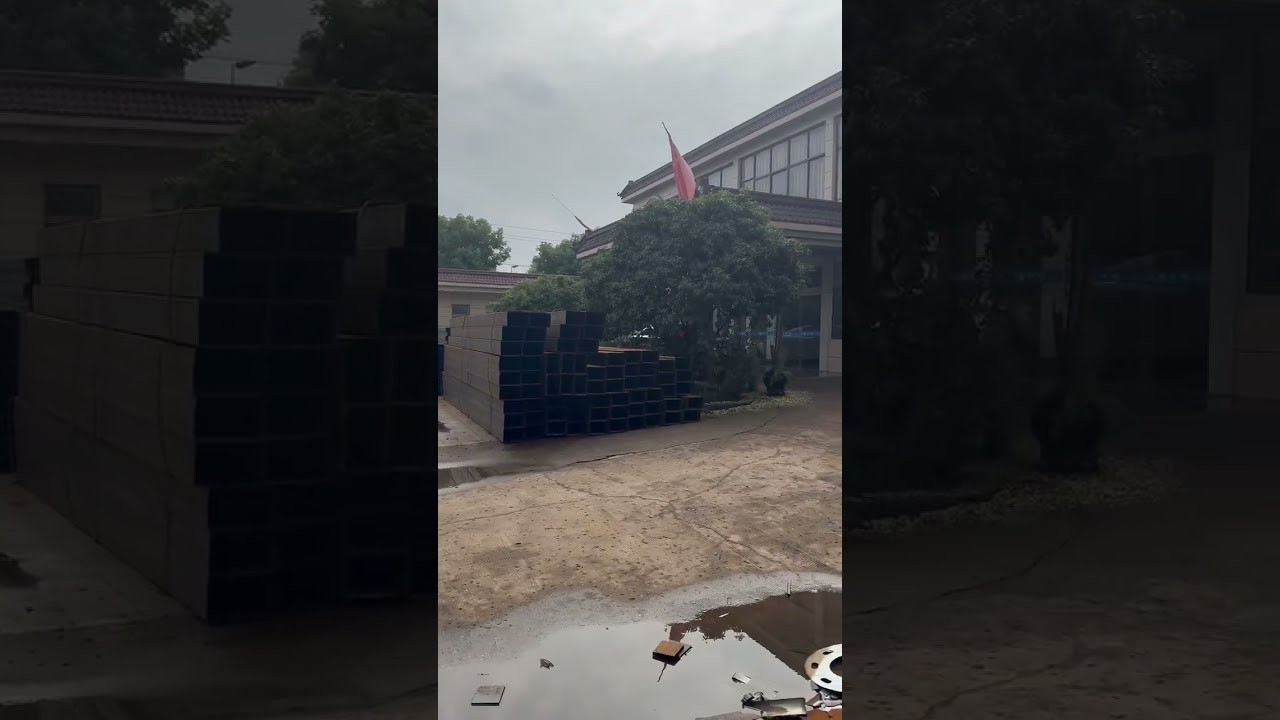
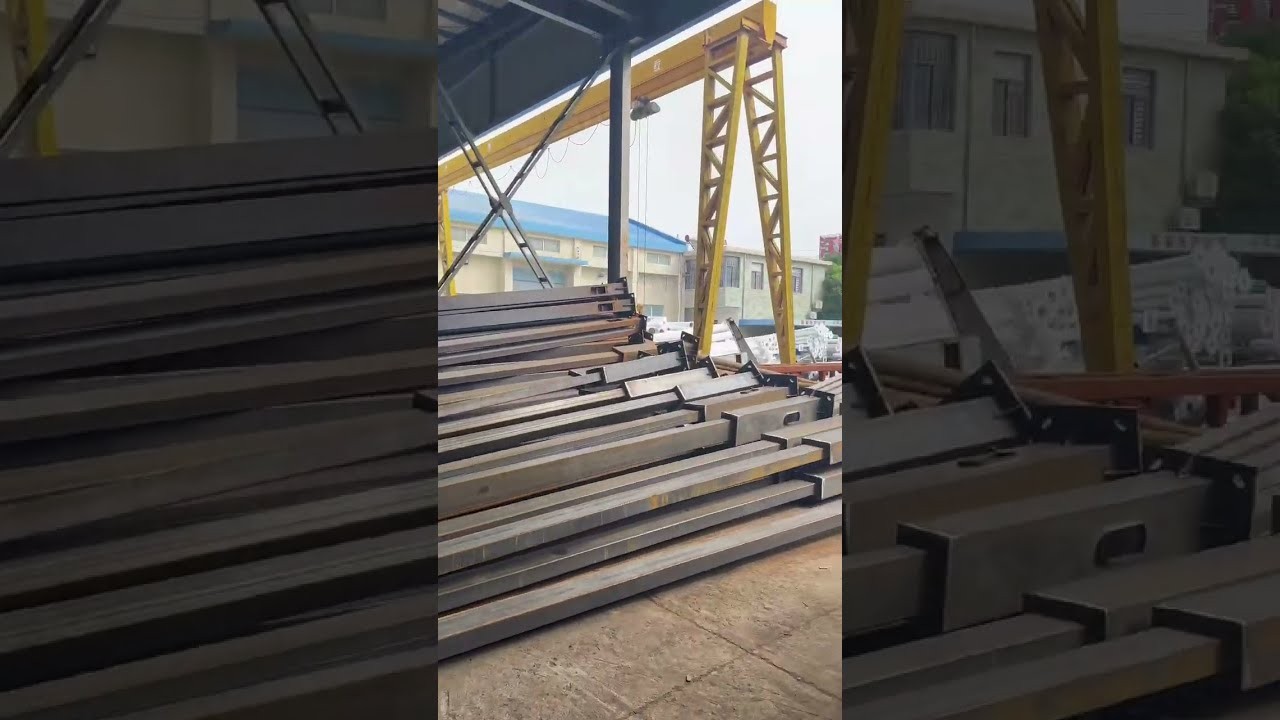
Discuss a square-tube pole ↗Pole fabrication in Jieyao’s published manufacturing video; end plates and service openings are visible.Choose the straight square profile deliberately
A straight square section keeps parallel faces along the specified shaft length. A tapered square pole reduces in section towards the top; a stepped pole changes section at a joint. These are different shaft arrangements, even when a supplier describes all three as square steel poles.
Flat faces can provide a useful reference for the direction of a face-mounted bracket or a service door. They also make rotational alignment important: turning the pole changes the direction of every face-fixed item. Record the intended front face on the assembly drawing before the base-hole pattern is released.
For a gradually reducing four-face shaft, use the separate square tapered steel light pole page. This page concerns square hollow-section assemblies and their interfaces; it does not replace that product or claim one profile is always stronger or lighter.
Square outside shape does not specify the whole section
A section description needs the outside dimensions, wall thickness, material and fabrication route. A square tube may be supplied from section stock or fabricated to a defined specification. Keep the selected route and section identification on the order; the outside appearance alone does not establish either one.
Plan the pole position as well as the section
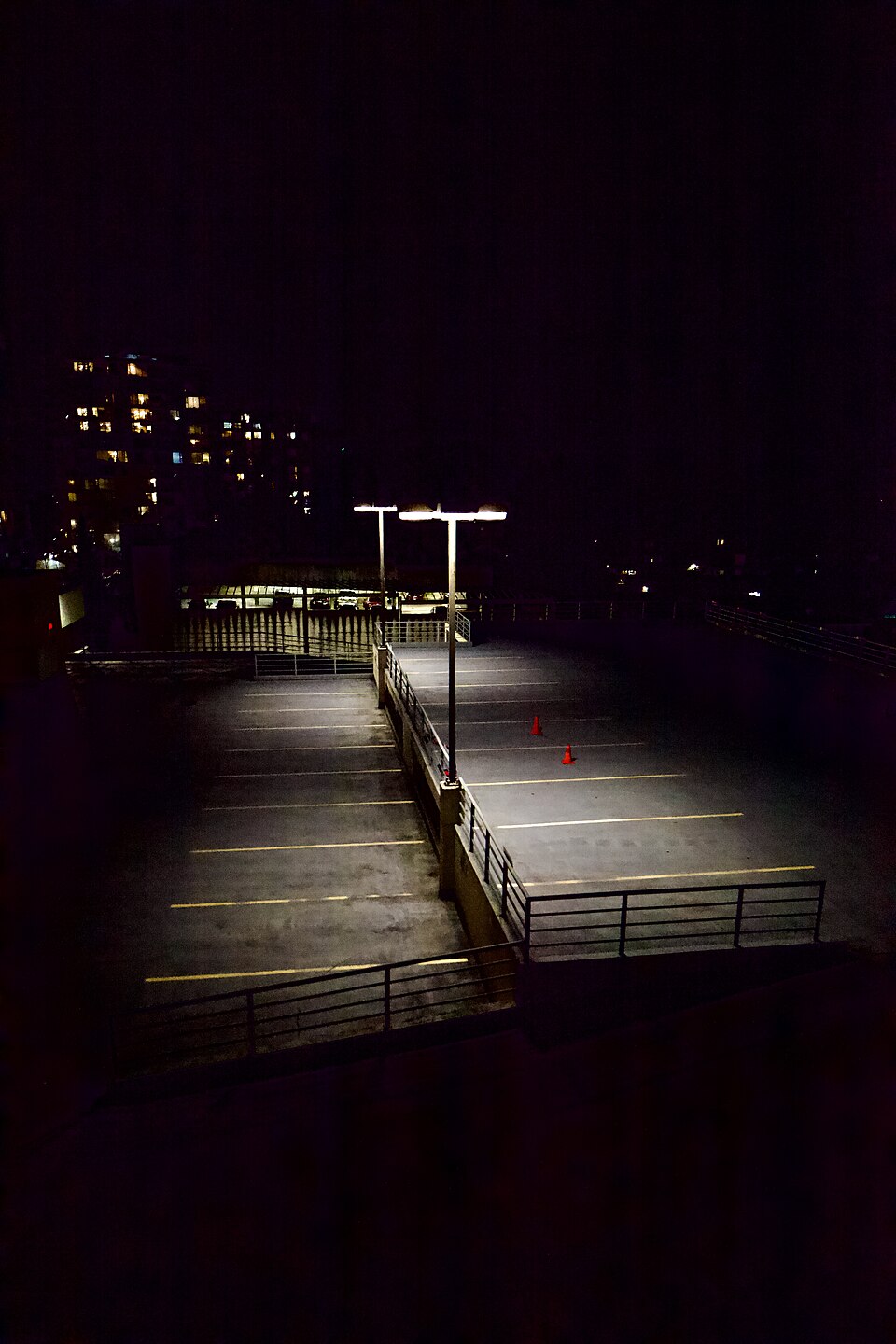
Parking layout reference: a central pole line serves bays on both sides. Shaft section, luminaire mounting and foundation remain separate selection decisions.
Parking bays and commercial yards
A central island may call for lights facing two directions, while a boundary position may need a single-sided arrangement. Decide which surfaces the luminaires must illuminate before specifying the head connection. Keep the pole base out of vehicle swept paths and coordinate barriers, wheel stops and the service-opening face.
Campus paths and building approaches
Align the shaft faces with the architectural layout, then check the luminaire direction and the space needed to open the access cover. Trees, canopies, signs and future landscaping can obstruct the light or maintenance route. Show those constraints on the layout supplied with the enquiry.
Pole height and spacing follow the lighting layout, selected luminaire and site conditions. A square section alone does not determine the lit area. For a larger mixed-site package, compare the road and area lighting pole options before assigning each pole mark.
Settle the luminaire connection before the pole top
Top-mounted luminaire
Where the selected light requires a circular mounting sleeve or spigot, the transition from the square shaft is part of the pole assembly. Match the actual engagement diameter, usable length and fixing arrangement to the light. Include the cable path through that transition, particularly where the light is installed directly above the shaft.
Arm or face-mounted bracket
An outreach arm or a bracket on a flat face sets the light away from the shaft. Its fixing pattern, plate or sleeve, attachment height and direction must be shown together. Extra outreach changes the assembly loading, so the bracket cannot be chosen from the pole height alone.
These are connection arrangements for a drawing-led order, not interchangeable fittings supplied with every pole. Provide the selected luminaire mounting sheet or an accurate existing fitting drawing. The arm and luminaire mounting-interface guide identifies the measurements that avoid an otherwise complete pole arriving with the wrong top.
If the enquiry is for detachable accessories rather than a complete shaft, distinguish that scope from the start. A bracket order needs the pole section and fixing details; a complete pole order needs the same connection plus the shaft and base arrangement.
Coordinate the hollow section, access opening and wiring
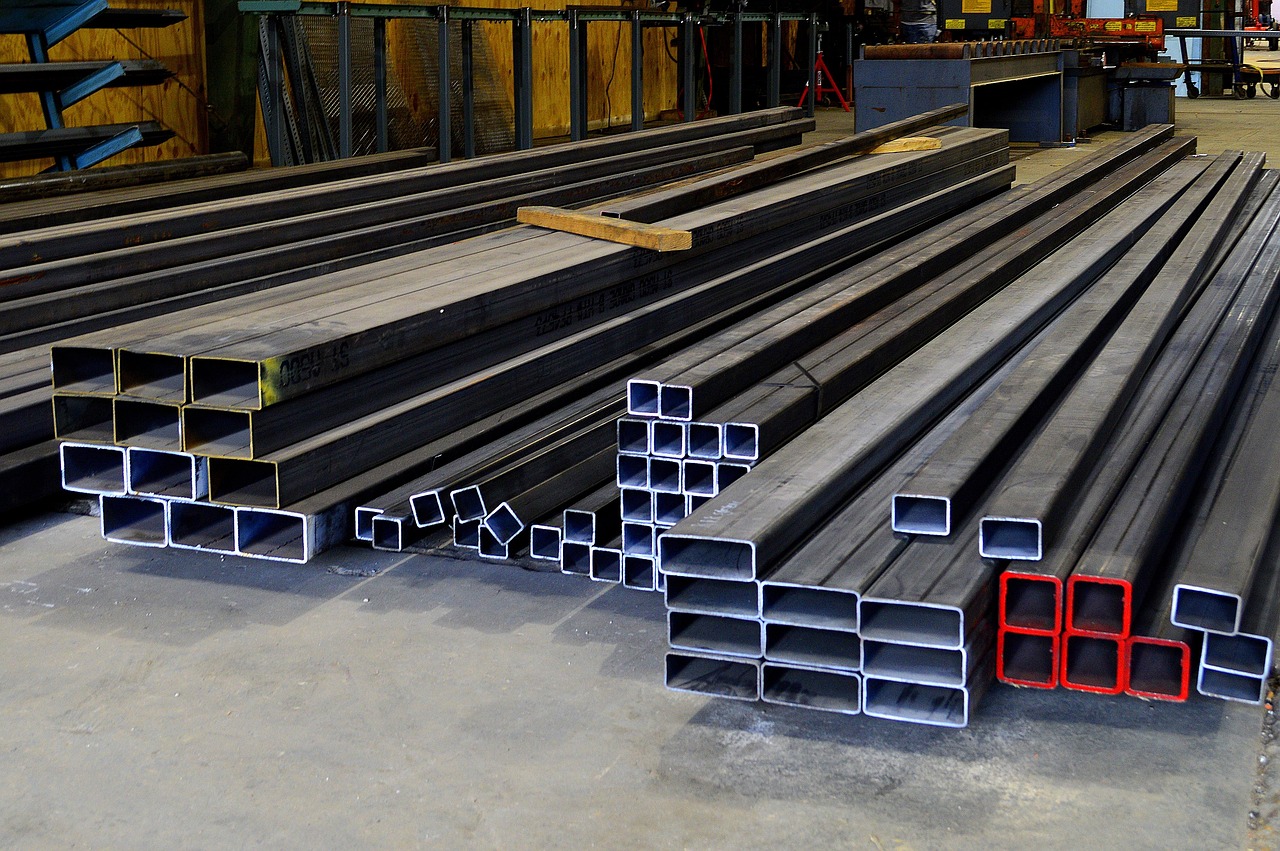
Section reference: equal outside face dimensions identify a square profile; rectangular profiles have different face dimensions. The selected pole section is specified on its own drawing.
Specify two face dimensions and the wall
Hollow-section stock includes both square and rectangular profiles. On a square section the two nominal outside face dimensions are equal. On a rectangular section they differ, and the orientation of the wider face affects the assembly geometry. A short description such as “square metal post” is insufficient for manufacturing or replacement work.
The open ends in the section reference make the difference visible. This is a geometry reference, not a dimensional record for the finished pole. Select the actual shaft section against the required equipment and structural design, then carry that designation through the fabrication and packing records.
Place the service opening where it can be used
The fabrication photograph shows openings in the pole faces. For the supplied assembly, locate the opening relative to the base and bracket direction so a person can reach the electrical equipment after installation. Include the cover, its fixing arrangement and any required internal equipment support in the drawing review.
An opening removes material from the shaft and may interact with a seam, base reinforcement or nearby attachment. Its size and position belong to the selected pole design. Drilling additional holes or enlarging the opening on site can change that design and damage the finish; resolve the intended cable exits and accessories before production.
Cable entry should have a clear route from the foundation or base into the shaft, past internal fixings and towards the luminaire. Specify protection at edges and the earthing connection required for the electrical installation. Pole supply and electrical installation remain distinct items, even when the contractor purchases both under the same project.
Match the base to the actual installation
The pole assemblies in the manufacturing record have visible end plates and local stiffeners. Their presence shows the connection form; it does not establish a common plate thickness or anchor capacity for all square-tube poles. The released base drawing must match the selected shaft, equipment and foundation interface.
Interface What to put on the drawing Shaft orientation Front face, access-opening face and bracket direction, referenced to the base. Plate and holes Plate outline and thickness, hole count, hole diameter or slots, and their positions. Anchor assembly Actual bolt designation, pattern, template and installation dimensions for the selected connection. Cable and electrical access Cable-entry route, internal clearance and the required earthing connection. For an existing foundation, provide a measured bolt pattern and photographs before ordering a replacement. A square base plate and a square shaft do not mean their anchor layouts match. The anchor bolt and foundation cage product page covers the separate anchor assembly; the foundation and anchor-bolt guide explains how the interfaces are coordinated.
Where an embedded shaft is required instead of a flange base, state that in the enquiry. Overall fabricated length, above-ground mounting height and any buried portion must be recorded separately. A flange-base pole should not be treated as an embedded pole simply by changing how it is installed.
What the manufacturing record shows
Jieyao’s public manufacturing video is labelled as a 10 m square-tube LED street-light pole production example. It shows rows of unfinished hollow-section assemblies, base connections and service openings in a workshop and yard. The example demonstrates the fabrication context; 10 m is the identity of that record, not the only height available or a universal structural specification.
Watch the original manufacturing record: https://www.youtube.com/watch?v=GRrDyrYSE6E
Hollow-section stock in the same manufacturing record. Rectangular and square profiles must be distinguished on the order drawing.Fabrication checks tied to the assembly
Check the shaft identification, overall geometry, top fitting and the orientation of the opening and base against the released drawing. Base reinforcement and welding should follow that drawing. Where an inspection document is required, identify the actual assembly and the agreed inspection scope rather than relying on a general company certificate.
Finish after connection details are settled
The manufacturing scene shows unfinished steelwork. A finished outdoor pole order should identify the specified corrosion-protection system and any additional colour coating. Keep openings, drainage provisions, threads and fitting clearances compatible with that process; surface finish must not make the cover or top fitting impossible to assemble.
A photograph of steelwork does not establish a coating thickness or a welding acceptance result. Specify those requirements on the order and ask for records for the supplied batch where needed. Avoid choosing a section or finish by copying an unrelated catalogue’s wind speed, service life or coating number.
Keep the right pieces together from packing to erection
Square-section poles need packing that protects the faces, edges, finish and projecting fittings without obscuring the item marks. Identify the pole against its drawing revision and destination position. Put detachable fittings, access-cover hardware and the agreed fixing packs on the same packing list, with a clear reference to the pole they serve.
Before shipment, coordinate the actual packed length and handling arrangement with the receiving contractor. A long complete shaft and a sectional assembly have different transport and site-assembly requirements. Do not introduce a transport joint into a released one-piece design simply to fit an assumed container length.
Order scope Description to agree Steel pole assembly Selected square hollow section, top/base arrangement, access opening and cover, and specified finish. Lighting equipment Luminaire, arm or top fitting, wiring and electrical items only where individually listed. Foundation connection Anchor assembly and template where included; site foundation construction separately identified. Documents and delivery Released drawing, item marks, packing list, agreed inspection records and actual delivery arrangement. At receipt, compare item marks, fittings and visible condition before the pole is lifted into place. A missing cover, mismatched spigot or rotated base pattern is easier to resolve at ground level than after erection. Store the steelwork so the intended finish remains protected and the assembly is not distorted by unsupported stacking.
Questions about square-tube lighting poles
Can a square pole take a luminaire designed for a round spigot?
Yes, when the pole is made with a matching round top fitting. The fitting dimensions, engagement and cable route must match the selected luminaire; the square shaft itself is not the spigot.
Is a square tube the same product as a tapered square pole?
No. Square describes the section shape, while straight, tapered and stepped describe the shaft profile along its length. Use the specified shaft arrangement and dimensions on the order rather than treating those terms as substitutes.
Can brackets be added to any flat face later?
Additional equipment needs an attachment and structural review. Establish the load, fixing method, cable route and finish repairs before adding it; a flat face alone does not establish that the proposed attachment is suitable.
What is the most useful information for a replacement order?
Provide the existing shaft and top dimensions, fitting drawing, measured foundation-bolt pattern, opening location and photographs. State whether you need a matched replacement or a newly designed assembly for the site.
Tell us what the installation needs to do
Send the installation location, required mounting height, selected luminaire or bracket drawing, quantity and foundation interface. For a replacement, include the measured existing connection and photographs. Identify the square section, top fitting, base, access opening, finish and separate equipment on one agreed pole schedule.
Request a matched configuration ↗ -
-