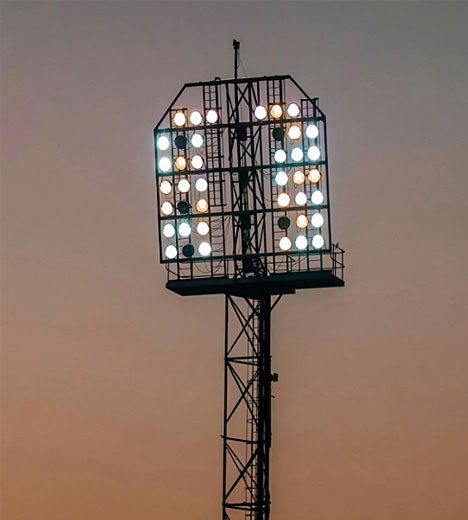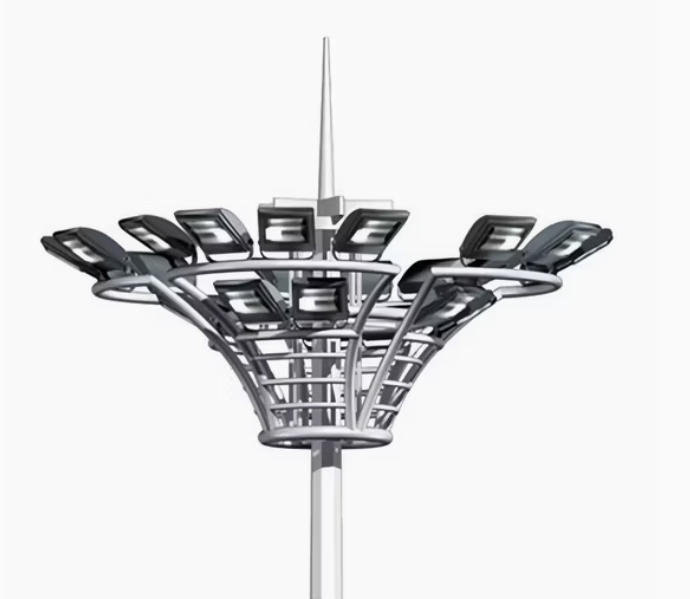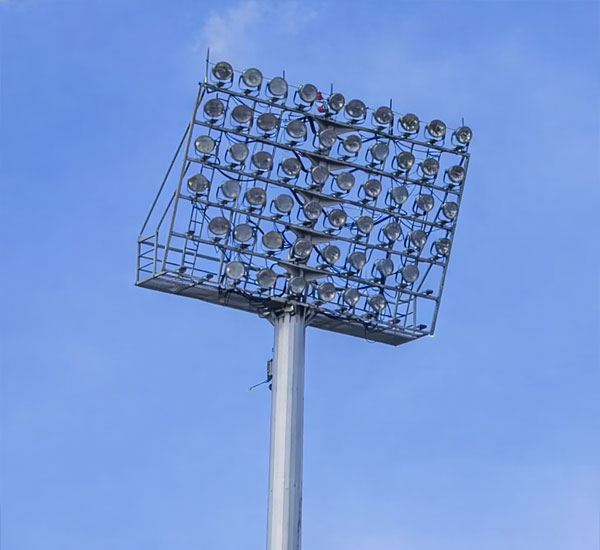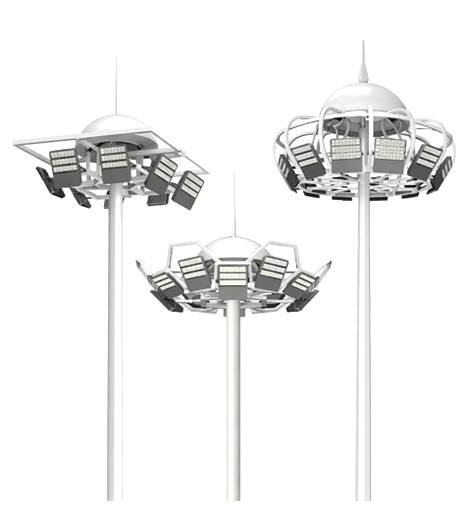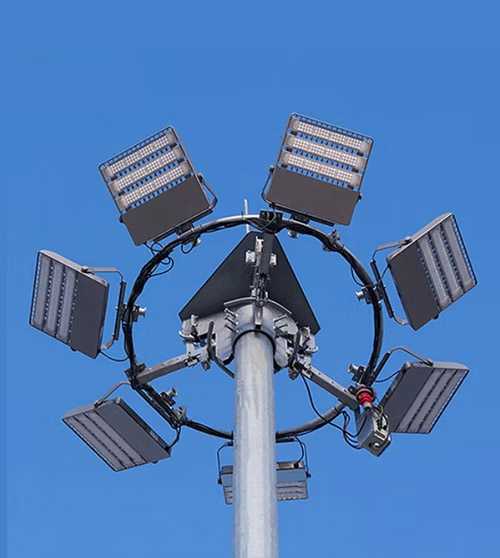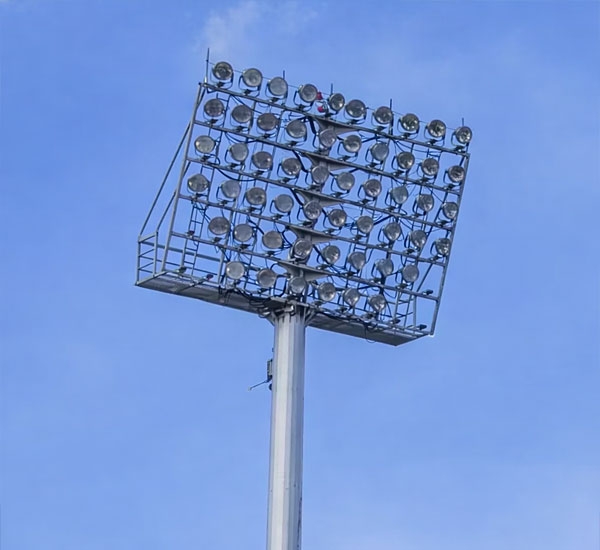


In the world of large-scale infrastructure—think sprawling shipping ports, busy highway interchanges, or remote mining pits—the "High Mast" is the undisputed king of illumination. Traditionally, these 20-to-30-meter giants have been tethered to the grid by miles of expensive copper cabling.
But as energy costs climb and sustainability targets move from "nice-to-have" to "mandatory," a question is trending across engineering offices: Can we actually go solar at this height?
The answer is a definitive yes, but it’s not as simple as sticking a panel on a pole. It’s an engineering feat that balances power, wind, and reliability.
The most painful part of any high mast project isn't the light itself—it’s the ground. Trenching through concrete, laying conduits, and dealing with grid permits can eat up 60% of a project's budget.
By switching to solar-powered masts, you effectively delete those line items. There’s no digging, no cabling, and zero monthly electricity bills. For a logistics hub or a remote industrial site, this means the lights can be up and running in days, not months.
High masts are designed to throw light over vast areas, which requires a lot of energy. To make solar viable for these "heavy lifters," we’ve moved beyond standard technology:
Massive Energy Harvesting: Instead of a single small panel, professional solar masts utilize high-efficiency "wings"—large arrays of solar cells that capture every drop of sunlight, even on overcast days.
The "Brain" Behind the Light: We use smart controllers that act like a manager. They know exactly how much battery power is left and adjust the output to ensure the lights never go dark, even after three days of rain.
One concern we often hear from clients is: "Will that massive solar array act like a sail in a storm?" It’s a valid worry. At 25 meters high, wind forces are relentless. This is why "off-the-shelf" solutions don't work here. A reliable solar high mast is a product of structural physics. The poles are tapered and reinforced, and the solar brackets are aerodynamically shaped to let the wind pass through rather than pushing against them. It’s the difference between a system that lasts two years and one that lasts twenty.
Beyond the "green" credentials, solar high mast lighting is a strategic financial move.
Independence: You are immune to grid failures or rising utility rates.
Maintenance: Modern Lithium batteries (LiFePO4) are now tucked away safely, requiring almost no attention for a decade.
Portability: If your site layout changes (common in mining or construction), you can move the light. You can’t move a trench.
At Jieyao Lighting, we believe that the future of large-scale illumination shouldn't be limited by where the power lines end. By combining rugged hardware with intelligent solar management, we’re helping industries light up the darkest corners of their operations—sustainably and independently.
If you’re planning a project that requires massive coverage without the massive utility headache, it’s time to look up. Solar has finally reached the top of the mast.
Discover how we’re re-engineering industrial light atwww.jieyaolighting.com
Contact Us
Get a custom lighting solution and quotation for your project. Outdoor lighting manufacturer in Yangzhou, ChinaAbout Jieyao LightingYangzhou Jieyao Lighting Equipment Co., Ltd. is an outdoor lighting manufacturer focused on solar street light systems and high mas... Do you have any questions or requests?
Email: jay@jieyaolighting.com

Click to Chat.
Im online now.