

In park lighting projects, people often focus first on the lamp itself—brightness, power, and energy saving.
But in real outdoor environments, the light pole is just as important.
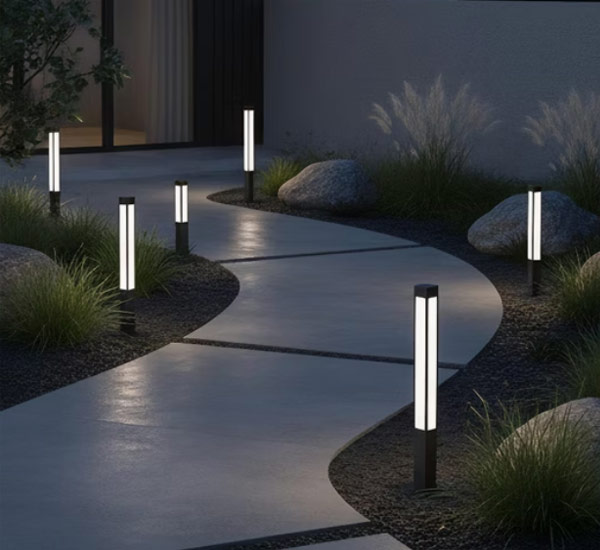
A landscape light pole is not only a structure for mounting the fixture. It is part of the visual design of the entire park. Visitors notice the pole every day, whether they realize it or not.
A poorly designed pole can make a high-end park look ordinary. A well-designed pole can improve the atmosphere of the whole space, even before the lights turn on.
This is why more project owners, contractors, and municipal buyers are paying attention to park landscape light pole design, not just lamp performance.
Today’s buyers want more than basic lighting. They want durability, aesthetics, easier maintenance, and better integration with modern urban design.
The trend is clear: landscape lighting poles are becoming smarter, cleaner in design, and more closely connected to the identity of public spaces.
Traditional park light poles were simple and purely functional.
Standard round poles with basic fixtures were enough for many years because the main goal was visibility.
That approach is changing.
Modern parks are expected to serve multiple functions—walking, fitness, social activities, tourism, and city branding. Lighting must support all of these experiences.
As a result, the pole itself becomes part of the landscape language.
Designers now consider:
This is especially important for city parks, waterfront projects, tourism zones, and commercial landscape developments.
Lighting poles are no longer hidden infrastructure. They are visible design assets.
One major trend is the move toward clean and simplified pole design.
Heavy decorative shapes are becoming less popular in many international projects. Buyers increasingly prefer modern lines, balanced proportions, and a more refined appearance.
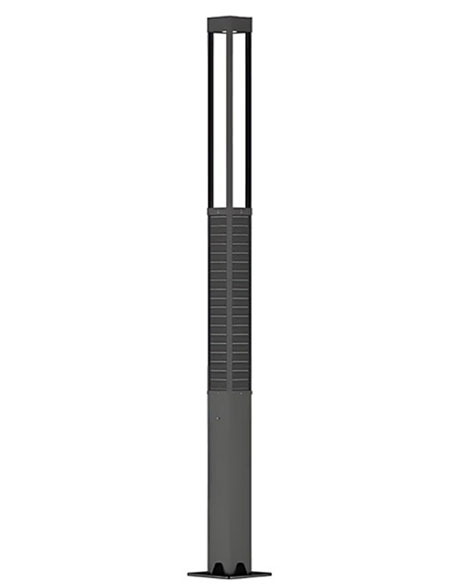
Straight poles, tapered poles, and geometric forms are widely used because they match contemporary urban spaces more naturally.
Minimalist design also reduces manufacturing complexity and long-term maintenance.
For example:
| Design Style | Common Application |
|---|---|
| Straight Cylindrical Pole | Urban parks, pedestrian roads |
| Tapered Pole | Public squares, municipal projects |
| Decorative Curved Pole | Tourism parks, garden landscapes |
| Square Section Pole | Commercial landscape projects |
| Custom Artistic Pole | Landmark public spaces |
The goal is not decoration for decoration’s sake, but visual harmony with the surrounding environment.
Appearance matters, but long-term durability matters more.
Outdoor park lighting faces rain, humidity, temperature changes, corrosion, and vandalism. Buyers now pay much closer attention to material performance.
The most common choices are:
This remains the most widely used option for municipal projects because of its strong structural strength and long service life.
With proper galvanizing thickness, the pole can perform reliably for 15 to 25 years.
Aluminum is increasingly popular for high-end landscape projects because it offers strong corrosion resistance, lighter weight, and a cleaner decorative finish.
It works especially well in coastal parks and humid environments.
Although more expensive, stainless steel is often selected for waterfront projects, luxury commercial landscapes, and iconic public spaces where appearance is a long-term priority.
Material choice is now based on lifecycle cost, not only initial purchase price.
In the past, standard paint was often enough.
Today, surface treatment directly affects both project appearance and maintenance cost.
Powder coating, fluorocarbon coating, wood-grain finish, and customized textured finishes are becoming common requests.
These finishes improve:
For many export projects, buyers request custom RAL colors to match architectural themes or municipal branding standards.
This detail often influences project approval more than expected.
Smart city projects are changing the role of the light pole.
The pole is no longer only for lighting.
More buyers now request integrated solutions such as:
This is especially common in municipal parks, smart campuses, and mixed-use commercial developments.
A well-designed park light pole must now reserve internal space and structural compatibility for future upgrades.
Smart lighting is no longer a premium option in some markets—it is becoming the standard expectation.
Good lighting design is not only about appearance.
It must also improve how people use the space.
Pole height, fixture position, glare control, and maintenance access all affect user experience.
For pedestrian areas, excessive brightness creates discomfort. Poor fixture angles create glare. Difficult maintenance increases operational costs.
This is why professional design focuses on balance.
Typical landscape pole heights are:
| Application Area | Common Pole Height |
|---|---|
| Garden Paths | 3–4 meters |
| Public Walkways | 4–6 meters |
| Park Roads | 6–8 meters |
| Large Public Squares | 8–12 meters |
The correct height depends on lighting purpose, not visual preference alone.
Ten years ago, standard products were enough for most park projects.
Today, many buyers expect customization from the beginning.
They want:
This is especially common in tourism projects and government public works.
A supplier that only offers standard catalog products often loses competitiveness in these projects.
Customization is no longer a special request. In many tenders, it is part of the basic requirement.
Many buyers spend too much time comparing appearance and too little time checking engineering details.
A good-looking pole that fails after three years is never a good investment.
Before purchasing, professional buyers usually confirm:
| Key Point | Why It Matters |
|---|---|
| Wind Load Design | Safety and structural reliability |
| Galvanizing Thickness | Corrosion resistance |
| Base Plate Strength | Installation stability |
| Surface Finish Quality | Long-term appearance |
| Maintenance Access | Lower service costs |
| Smart Upgrade Compatibility | Future flexibility |
The best landscape pole is not the most decorative one. It is the one that performs reliably for years while supporting the design vision of the project.
Park landscape light pole design is moving far beyond traditional street lighting standards.
Modern projects demand more than illumination. They require aesthetics, durability, smart functionality, and long-term value.
The best poles are not simply stronger or brighter—they are better integrated into the life of the space.
For parks, gardens, public squares, and commercial landscapes, the light pole has become part of the architecture itself.
And in many projects, that detail makes the biggest difference.
Contact Us
Get a custom lighting solution and quotation for your project. Outdoor lighting manufacturer in Yangzhou, ChinaAbout Jieyao LightingYangzhou Jieyao Lighting Equipment Co., Ltd. is an outdoor lighting manufacturer focused on solar street light systems and high mas... Do you have any questions or requests?
Email: jay@jieyaolighting.com

Click to Chat.
Im online now.